Drought driven by climate change is redefining how disease spreads, study finds
As climate change intensifies, drought is widening globally, causing alterations in water-dependent pathogen patterns, leaving scientists scrambling to understand how infectious disease transmission is evolving. They’ll need to act quickly to predict and prepare for future outbreaks: In 2025, annual drought affected approximately 30% of the globe’s land surface, a near doubling of area since […]
As climate change intensifies, drought is becoming a significant factor in the redefinition of how diseases spread, according to a recent study. The research, published in the journal Trends in Ecology & Evolution, highlights how changes in water-dependent pathogen patterns due to drought are causing a shift in infectious disease transmission. In 2025, an estimated 30% of the globe's land surface was affected by annual drought, nearly double the area impacted since the year 2000.
Traditionally, it was believed that drought would lead to a decrease in infectious disease due to the shrinking or drying up of water sources. However, a new study challenges this notion, revealing the ecological processes that define the paradoxical relationship between drought and disease. Dr. Pieter Johnson, a disease ecologist at the University of Colorado Boulder, explained to Mongabay that while people often associate drought with water shortage, wildfire, and loss of agriculture, it also affects the interactions between plants, animals, and parasites.
During drought, the proximity of animals and microorganisms increases, facilitating the transmission of infectious diseases—an effect defined by the drought-disease paradox.
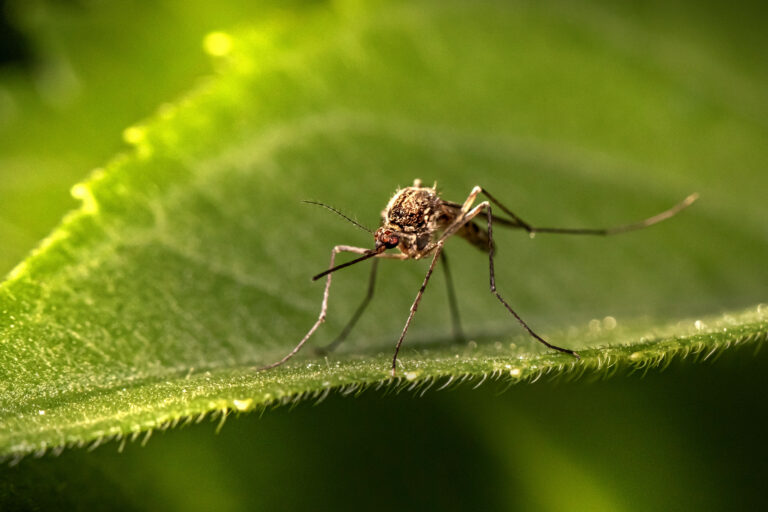
The review paper examined 100 previous studies focusing solely on the impacts of drought on disease transmission. It is crucial for scientists to act quickly to predict and prepare for future outbreaks as the frequency and severity of drought events are expected to continue rising. Currently, one child dies every 90 seconds from a waterborne disease, and many species of microorganisms are known to infect humans through waterborne illnesses or via hosts like mosquitoes that require water to reproduce.
Written by urgent.news from Mongabay's reporting — not their text. Machine-written — may contain errors; check the original before relying on it.