Delivering Safe and Equitable WASH Services, a National Responsibility and Global Imperative —Chairperson, CONIWAS
By: Franklin ASARE-DONKOH WASH as an acronym for Water, Sanitation, and Hygiene is critical in International Development and Public Health activity, focused on improving living conditions and preventing disease. Inadequate WASH is a leading cause of waterborne and diarrheal diseases. Universal and equitable access to WASH remains a target under the United Nations’ Sustainable Development […]
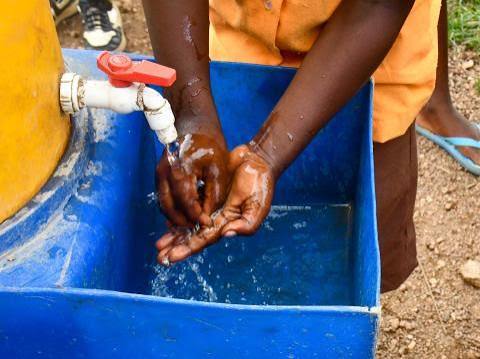
Dr. Beata Awinpoka Akanyani, Chairperson of the Ghana Coalition of Non-Governmental Organisations in Water and Sanitation (CONIWAS), emphasized at the opening of the 37th MOLE Conference that delivering safe and equitable WASH services is a national responsibility and global imperative. WASH, an acronym for Water, Sanitation, and Hygiene, is crucial in international development and public health, aiming to improve living conditions and prevent diseases.
Insufficient WASH access contributes significantly to waterborne and diarrheal diseases. The United Nations’ Sustainable Development Goal 6 (SDG 6) sets the target of universal and equitable access to WASH. Dr. Akanyani stressed during her keynote address that access to clean water, proper toilets, and hygiene should not be determined by socioeconomic status, geographic location, or vulnerability to climate change.
She called for WASH to be prioritized as an immediate national duty rather than a secondary development goal. CONIWAS presented data-driven evidence highlighting the inequalities in WASH access between urban and rural areas in Ghana. Only 17% of rural residents have access to safely managed water, while 31.3% of rural populations practice open defecation compared to 8.9% in urban areas.
Dr. Akanyani warned that, at the current progress pace, basic sanitation would only reach 39% by 2030. The CONIWAS leadership urged key stakeholders, including state ministers, parliamentary representatives, local assemblies, development partners, and private sector players to take action. They called for strengthening legislative oversight, enforcing transparency in WASH fund utilization, directing climate-resilient financing, and taking a firm stance against illegal mining and unsustainable sand winning that damages freshwater resources.
Written by urgent.news from GBC Ghana's reporting — not their text. Machine-written — may contain errors; check the original before relying on it.