Deepavali: We light our homes, but what about our hearts? — Muhammad Noor Abdul Aziz
NOVEMBER 6 — As thousands of Malaysian homes prepare to glow with beautiful oil lamps this Deepavali, perhaps we s...
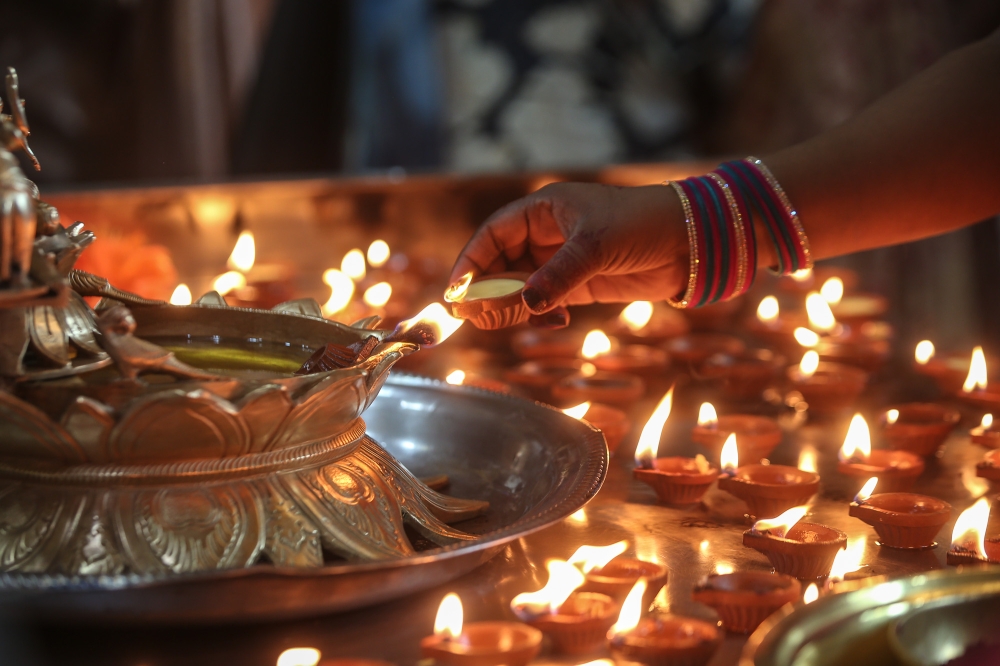
November 6 - As Malaysian homes gear up to celebrate Deepavali, adorned with bright oil lamps, a pressing question arises: Are we effectively spreading positivity in our society, or are we merely illuminating our own homes while neglecting to address ingrained prejudices? Deepavali, the Festival of Lights, symbolizes the victory of light over darkness, goodness over wickedness, and hope over despair.
It holds immense significance for Hindu Malaysians, serving as a deeply cherished religious and cultural event. For others, it presents a valuable chance to contemplate the kind of Malaysia we aspire to create. We frequently boast about Malaysia's multicultural identity, engaging in festivities like Hari Raya, Chinese New Year, Deepavali, Christmas, Gawai, and Kaamatan.
We exchange greetings, indulge in festive foods, and share vibrant photos online. However, as these celebrations conclude, how enduring does this camaraderie remain? When the festivities wane, are we genuinely at ease with individuals who appear distinct, follow different faiths, or possess varied beliefs? Or does our unity remain confined to festive periods?
The answer must start in our educational institutions. Schools and universities bear a crucial responsibility in fostering a generation that not only endures diversity but actively appreciates it. Young Malaysians should not be raised with the notion that unity entails everyone sharing identical thoughts, behaviors, or beliefs. True unity blossoms when differences are acknowledged rather than feared.
Visualize a primary school classroom where children are encouraged to narrate what Deepavali signifies to their families. Instead of merely sketching oil lamp illustrations or donning traditional attire, students could exchange tales about kindness, family customs, and the significance of respecting others. While seemingly elementary, these dialogues have the potential to challenge preconceived notions before they become deeply ingrained.
Universities should delve deeper into these discussions. Professors should devise scenarios for students to debate religious sensitivity, cultural confusions, and the perils of stereotyping. Students from diverse backgrounds could cooperate on community initiatives, visit cultural displays, or facilitate constructive conversations with those outside their regular social circles.
Most crucially, these endeavors should prompt introspection. What misconceptions did students initially harbor? What surprised them? How might they react differently when encountering prejudice in their daily lives? We must also confront the challenging aspect of social media. Young Malaysians are frequently subjected to prejudiced remarks, off-color jokes, and inaccurate representations of ethnicity and religion.
A single ill-advised post can undermine years of goodwill. Our educational institutions must train students to scrutinize damaging narratives, confirm information, and challenge prejudice respectfully rather than mindlessly propagating it. This year, the Ministry of Higher Education has provided adaptable online and hybrid learning options for Hindu students and educators during Deepavali.
While this is a commendable acknowledgment of religious and cultural diversity, true inclusion must surpass merely accommodating festive timelines. It must become an integral part of how we teach, learn, and interact with one another daily. The most profound lesson from Deepavali is that darkness does not vanish simply because we discuss light.
It vanishes when someone takes the initiative to dispel it. A truly united Malaysia will not emerge through festive banners, ceremonial speeches, or aesthetically pleasing multicultural photographs alone. It will be constructed when a child refuses to laugh at a racist joke, when a university student champions a peer facing discrimination, and when neighbors rejoice in each other's happiness without questioning their differences.
As we extend our warmest wishes to Hindu friends and fellow Malaysians for a joyous Deepavali, let us remember that the most luminous light is not necessarily the one burning in an oil lamp. It is the light of kindness, empathy, and respect that we bring into our relationships. On this Deepavali, let us not merely celebrate the Festival of Lights.
Let us become the light that renders Malaysia a bit kinder, more peaceful, and more united. Happy Deepavali to all Malaysians partaking in this exquisite occasion.
Written by urgent.news from Malay Mail's reporting — not their text. Machine-written — may contain errors; check the original before relying on it.