Dads are spending 3x more time with their kids
Becoming a father physically changes a man’s brain — and the more caregiving he does, the more it changes. USC psychologist Darby Saxbe, author of Dad Brain, explains what that means for dads, partners, and anyone deciding whether to have kids. This video Dads are spending 3x more time with their kids is featured on Big Think .
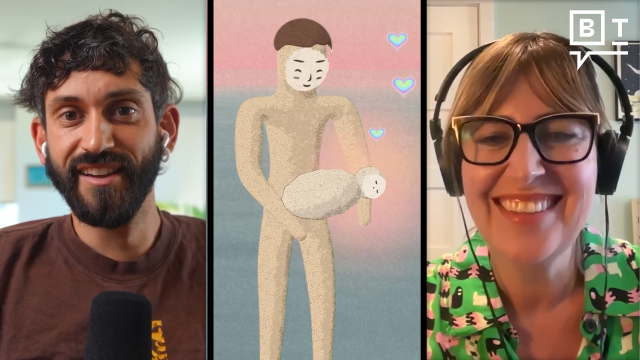
Dads in today's society are spending three times more time caring for their children compared to 50 years ago, according to a new study by USC psychologist Darby Saxbe. Saxbe, author of "Dad Brain," discusses how fatherhood physically changes a man's brain and the impact of increased caregiving on dads, partners, and prospective parents.
In 1965, the average time a dad spent in childcare was about 16 minutes per day. Now, the average is over an hour per day. Saxbe's research reveals that the brain of a new dad may appear slightly smaller, and these changes can double the risk of clinically significant depression in men, compared to the general male population.
Despite these concerns, Saxbe emphasizes that great parenting skills are not innate but rather learned. The study found that modern dads are not only spending more time with their kids but also engaging in a wider range of activities, such as bathing, dressing, and feeding them. This shift in parental responsibilities reflects a broader societal change, with dads increasingly valuing fatherhood as a top priority.
The research shows that the trend of increased paternal involvement began long before the modern era. Saxbe points to hunter-gatherer societies where males played a significant role in child care. She argues that the notion of a traditional gender role for men as breadwinners and women as caregivers is a relatively recent development, emerging only after the Industrial Revolution.
Despite this, Saxbe acknowledges that the research on dads is still catching up to people's lived experiences. She notes that the pandemic accelerated the shift in fatherhood, with many men taking on more caregiving responsibilities as they spent more time at home with their families. The findings challenge the idea that dads are merely following traditional roles and instead suggest that modern fatherhood is a response to evolving societal norms and human history.
Written by urgent.news from Big Think's reporting — not their text. Machine-written — may contain errors; check the original before relying on it.