COCOBOD relaunches free fertilizer programme with new monitoring platform to boost farmer incomes
The government has relaunched the Free Fertilizer and Agro-Input Programme for cocoa farmers under a major intervention to restore productivity, improve farmer incomes, and reset the cocoa sector.
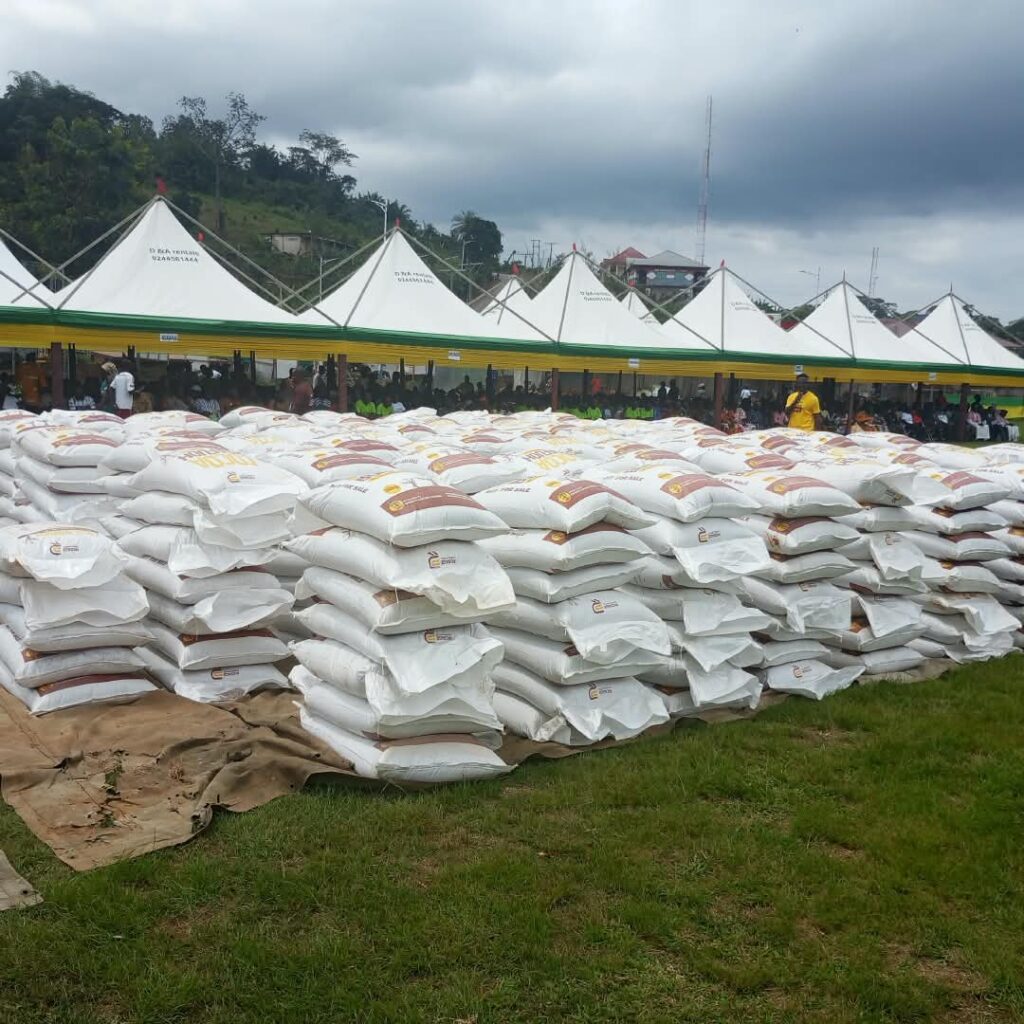
The Ghana Cocoa Board (COCOBOD) has reinstated the Free Fertilizer and Agro-Input Programme for cocoa farmers as part of an effort to enhance productivity, boost farmer incomes, and revitalize the cocoa sector. This policy shift from a 50-per cent subsidy to free fertilizer distribution marks a total overhaul of the government's approach to supporting farmers and increasing cocoa production.
The program has led to the procurement of over 3.5 million bags of granular fertilizer, with 1.2 million bags already distributed to farmers across the nation. A new digital platform has been established to enhance accountability and ensure a fair distribution process.
Speaking at the event, COCOBOD's Chief Executive Officer, Dr. Randy Abbey, emphasized the government's unwavering commitment to alleviating farmers' financial burdens and restoring maximum productivity to the soil. He emphasized that free fertilizer is an investment in farmers, the soil, and the nation's foreign exchange earnings.
The relaunch, held in Sefwi Wiawso, attracted government officials, traditional leaders, farmers, and other stakeholders from the cocoa value chain. Farmers with mature, productive cocoa plantations in specific operational district areas are set to receive fertilizer, insecticides, fungicides, and pneumatic or motorized sprayers.
COCOBOD is aware of the issues that plagued earlier free distribution systems, such as diversion, smuggling, favoritism, and unfair distribution. To combat these challenges, the board is implementing a new digital system to monitor every input distributed from warehouses to farms, ensuring accountability and preventing abuse of the reintroduced initiative.
Each beneficiary must register and have their farm marked and captured on the Digital Cocoa Management System (CMS). The identity verification process will use national identification cards or biometric data to prevent ghost farmers from receiving inputs.
Dr. Abbey warned smugglers and saboteurs, stating that anyone found diverting or selling the distribution inputs will face the full force of the law. Despite the cocoa industry's ongoing struggles, including declining productivity, aging farms, rising production costs, labor shortages, soil fertility issues, pest threats, and the effects of climate variability, COCOBOD believes that deliberate, coordinated, and sustained interventions are crucial for overcoming these challenges.
Board Chairman Dr. Samuel Ofosu-Ampofo underscored the significance of the cocoa sector to the country's economy, emphasizing that addressing these challenges requires a united effort.
Written by urgent.news from MyJoyOnline Ghana's reporting — not their text. Machine-written — may contain errors; check the original before relying on it.