Cloudflare’s appeal won’t fix what’s broken in Delaware’s Chancery Court
A vice chancellor, Travis Laster, sent his own ruling to the state Supreme Court. Boards shouldn’t read that as reassurance.
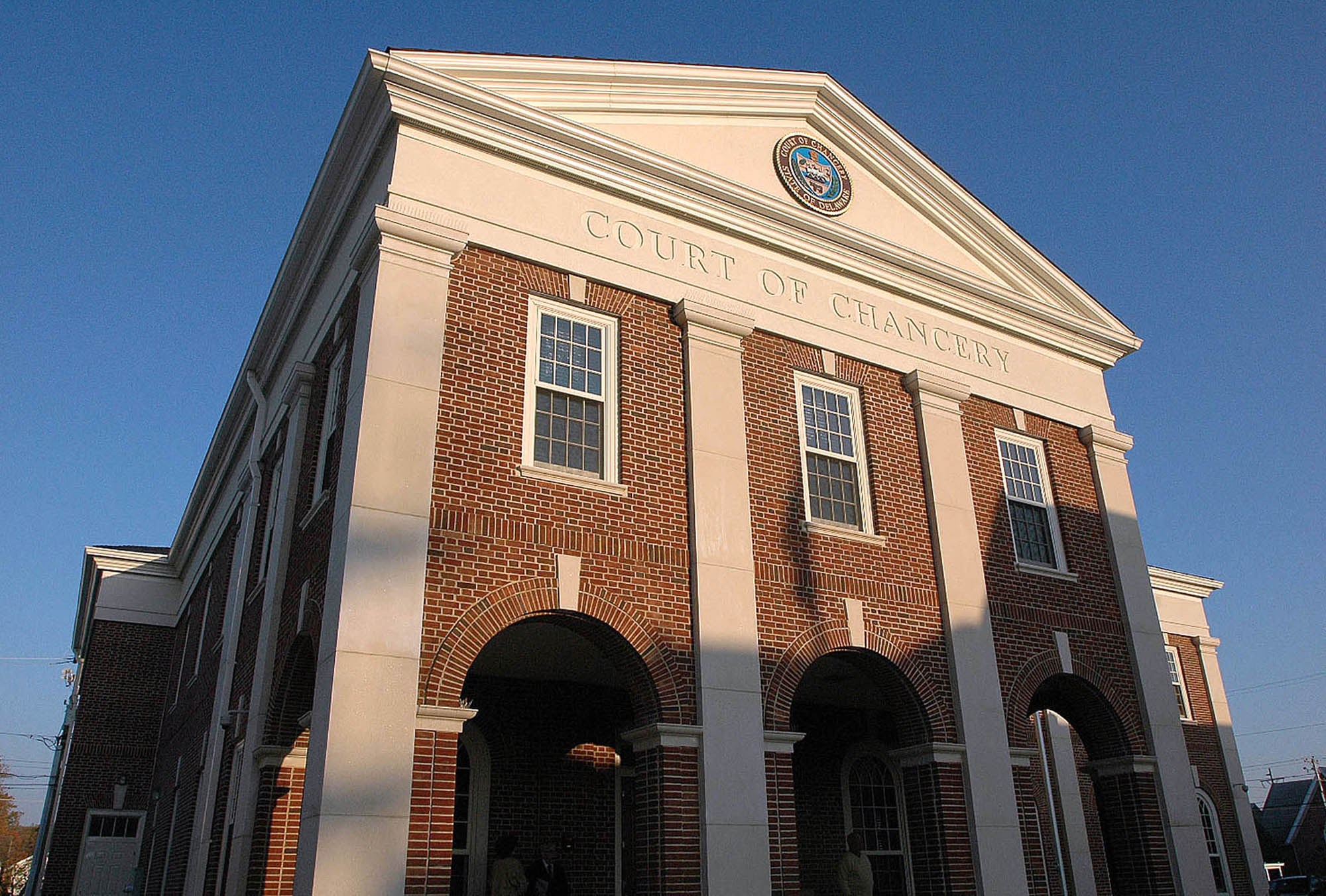
Following the controversial Chancery Court decision impacting Cloudflare, Vice Chancellor J. Travis Laster swiftly certified an interlocutory appeal to the Delaware Supreme Court. Although some may interpret this as a positive sign for the system, it isn't yet. The appeal was mandatory due to Laster's expansive interpretation of "good faith," which led to an injunction against the Cloudflare board's capital structure decision.
Delaware, heavily reliant on corporate anchoring fees, saw this emigration of companies in advance, prompting the legislature to enact Senate Bill 21 (SB 21) in March 2025 as a response to activist rulings from the Court of Chancery.
SB 21 aimed to address the issue by requiring a committee of independent directors to approve conflicted deals, eliminating the possibility of injunctions, damages, or trials. Laster's 142-page opinion affirmed the board's independence and diligence in the process, thus upholding the transaction. However, Laster's interpretation of "good faith" was groundbreaking and deviated from the typical understanding, which was generally presumed.
He relied on the fact that the committee communicated via Signal about sensitive strategic information and used a CEO with a temper as evidence of possible lack of good faith.
The Delaware Supreme Court's definition of bad faith, dating back to 2006, involved scienter, demonstrating knowledge and intent of wrongdoing. This contrasts with Laster's broader interpretation, which barely amounted to diligence and care. By setting aside the historical definition of bad faith, Laster's decision undermines the protections SB 21 intended to offer.
The uncertainty surrounding the statute's protection based on the judges' preferences may push companies to reincorporate in other states, causing significant disruption.
Written by urgent.news from Fortune's reporting — not their text. Machine-written — may contain errors; check the original before relying on it.