BOJ to hike in December, seek terminal rate of 2%, says ex-central bank top economist
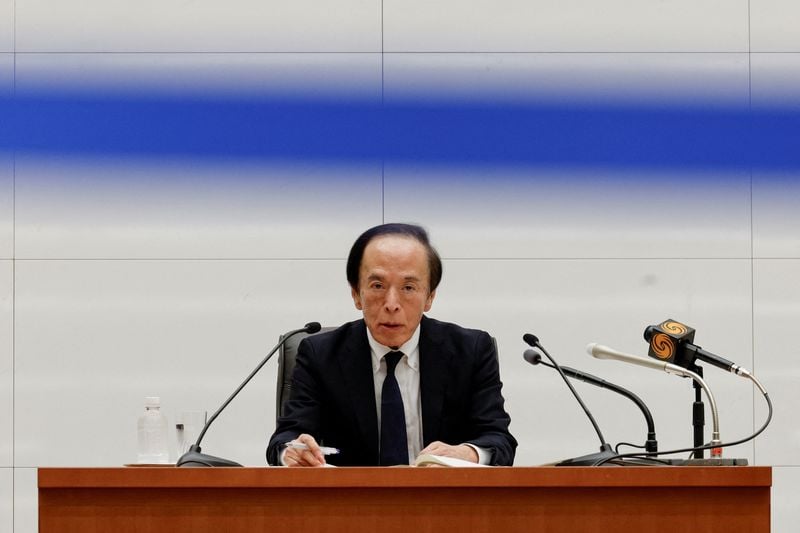
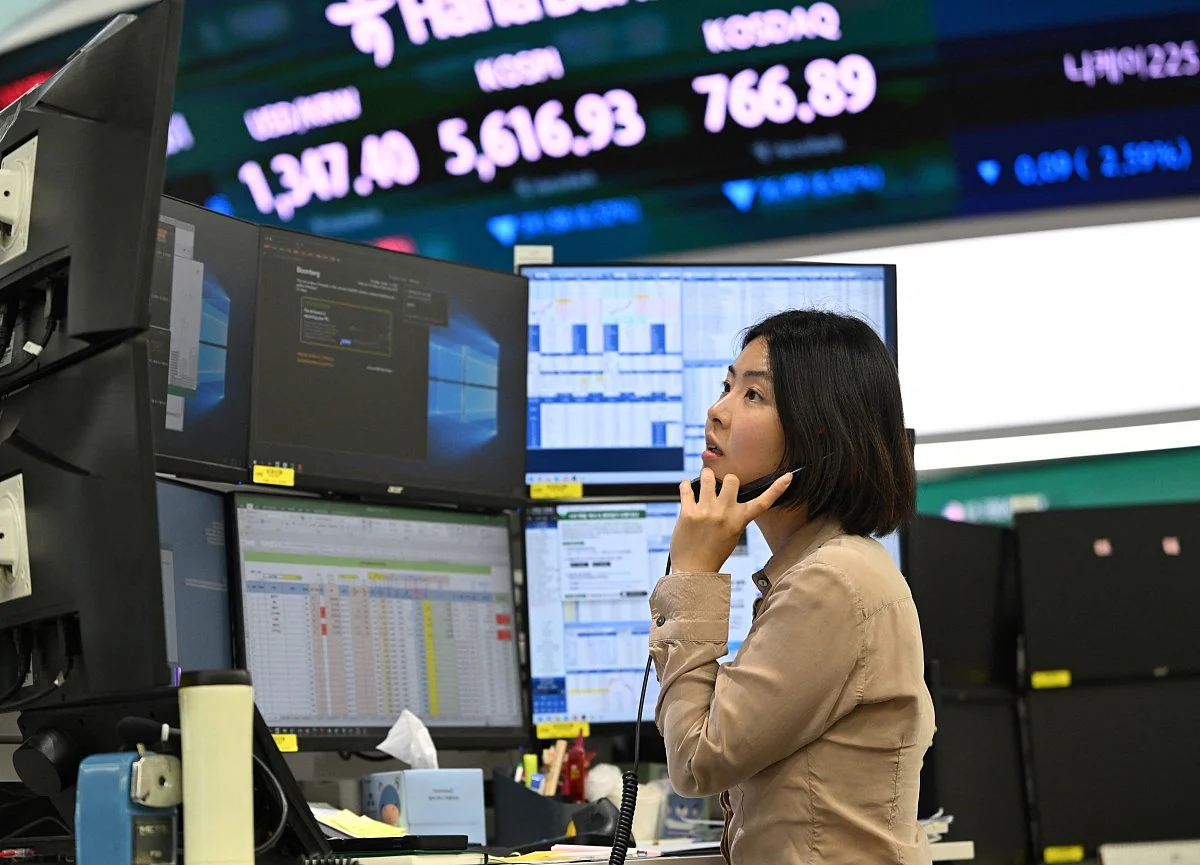
The Bank of Japan (BOJ) is anticipated to raise interest rates in December, with the goal of reaching a terminal rate of 2% to tackle mounting inflationary pressures, according to Seisaku Kameda, the central bank's former top economist. Kameda stated that a global market downturn, which has led to a decline in Japanese stocks on Friday, is unlikely to impede the rate hike next month, provided volatility does not persist beyond the December 17-18 meeting.
However, the BOJ may pause if a severe downturn in the US economy significantly impacts Japan's AI sector or if the AI boom collapses, Kameda told Reuters in an interview. He added that the BOJ is likely to increase its policy rate to 1.5% in December and continue incrementing it roughly once a quarter until it reaches the terminal rate of 2%.
Despite the challenges, Japan's economy is expected to withstand such rate hikes, thanks to robust corporate profits and potential relief from a scheduled sales tax reduction on food items, Kameda explained. Consumer inflation is projected to escalate in the upcoming months as firms pass on costs, including those for food products, he added.
In response to stubbornly high energy costs and rising import prices stemming from a weak yen, the BOJ increased rates in September following a hike in June, marking a more frequent frequency of hikes compared to 2024 and 2025. The BOJ maintained steady rates last month but reiterated its commitment to combat inflationary risks, strengthening market expectations of a December rate hike.
Kameda, an economist at Japan’s Sompo Institute Plus, noted that the BOJ's announcement was somewhat tardy, as many of the indicators cited by the bank as gauges of underlying inflation had already reached the 2% target. The delay in the announcement likely stemmed from the BOJ's cautious approach to rate hikes due to uncertainty regarding whether inflation would remain around its target, given Japan's history of low price growth or deflation, Kameda noted.
Nonetheless, the BOJ emphasized its resolve to combat inflation by raising rates in June and September, Kameda said. The BOJ's policy transitioned to a quarterly rate hike approach around June and July, Kameda explained. Consequently, the next rate hike is expected in December or, if markets remain unstable, at the earliest opportunity in January.
Written by urgent.news from Investing.com's reporting — not their text. Machine-written — may contain errors; check the original before relying on it.
This story
This is one outlet's version. Read the fullest account.