Beyond the UUCA: Building a university culture that encourages critical thinking — Abd Rahim Romle and Ainur Rabiyatul Abd Rahim
NOVEMBER 6 — A university that produces graduates who can answer examination questions but hesitate to question id...
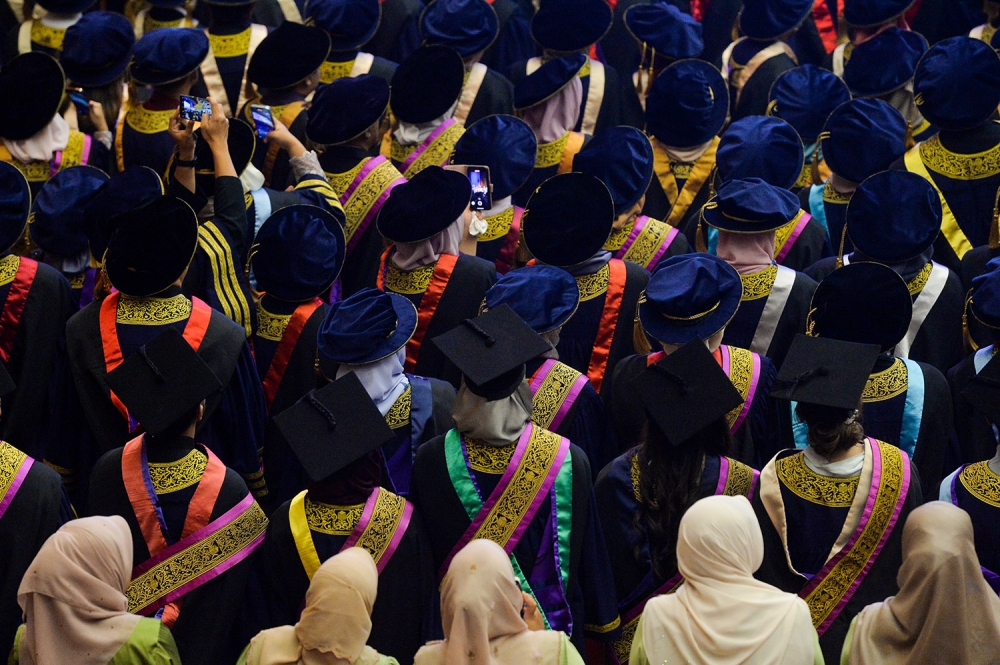
Malaysia’s universities face a critical challenge: transitioning from enrolling students to nurturing independent thinkers. The Universities and University Colleges Act 1971 (UUCA) reforms present an opportunity to transform academic freedom into everyday learning, responsible expression, and meaningful student participation. Higher education must develop graduates who can evaluate evidence, challenge assumptions, and contribute confidently to society.
Encouraging critical thinking begins with classroom interactions. Lecturers should create environments where students feel comfortable asking questions, discussing diverse perspectives, and respectfully challenging established ideas. Discussions on public policies, environmental issues, and technological advancements can help students assess competing arguments and draw their conclusions.
Academic freedom does not demand agreement but ensures that ideas are examined fairly, and disagreement becomes an integral part of the learning process.
Student participation must go beyond mere involvement. Universities should establish mechanisms for student representation, regular consultations, and transparent feedback. By publishing consultation summaries and detailing actions taken in response, institutions can foster accountability while developing leadership and communication skills. This approach bridges academic freedom with responsible expression, reinforcing each other as essential elements of a robust university culture.
University leadership plays a pivotal role in shaping this culture. Administrators can promote openness through dialogue sessions, accessible grievance mechanisms, and regular engagement with students and academic staff. Lecturers need support in conducting research, presenting evidence-based findings, and discussing matters within their expertise.
Interdisciplinary projects that encourage students to examine national challenges from multiple viewpoints can translate legislative aspirations into practical academic practices.
Ultimately, Malaysia’s universities must produce more than employable graduates. They should cultivate citizens who can question constructively, reason critically, and contribute responsibly to the nation’s future. By focusing not only on institutional autonomy but also on students’ learning experiences and confidence in expressing informed opinions, the success of UUCA reforms will be evident in classrooms, campuses, and the broader community.
Written by urgent.news from Malay Mail's reporting — not their text. Machine-written — may contain errors; check the original before relying on it.