Better late than never: Why it matters that the Michelin Guide has finally begun to get it right with ‘nasi kandar’ inclusion
COMMENTARY, Nov 6 — On Wednesday, November 4, the Michelin Guide unveiled its 2027 selection for Kuala Lumpur and...
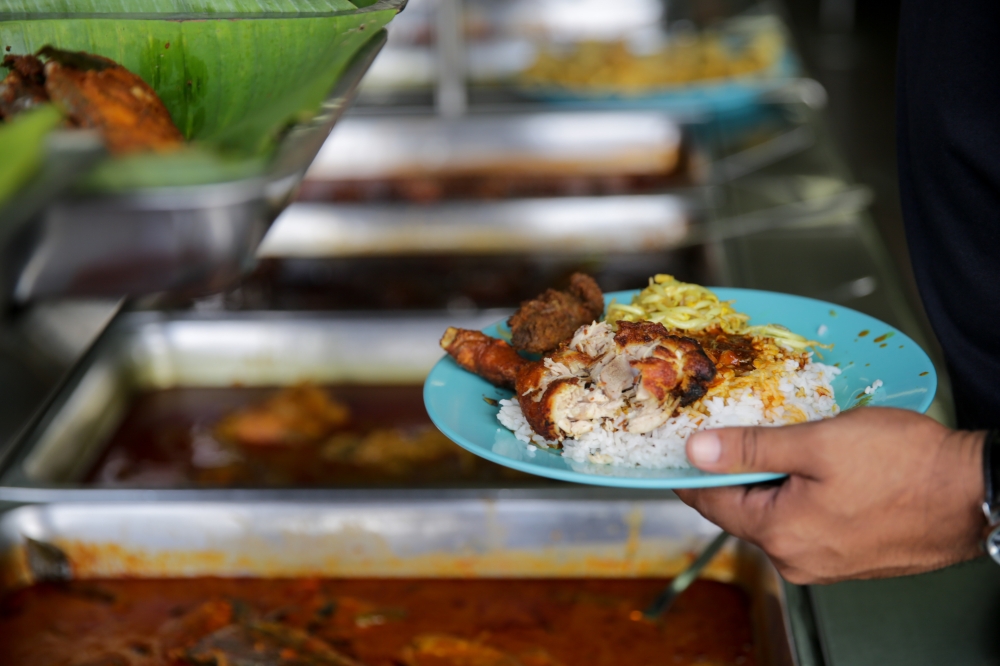
On November 4th, the Michelin Guide published its 2027 guide for Kuala Lumpur and Penang, marking nasi kandar as the first Malaysian dish to ever be included in the prestigious list. This addition came after a long-standing controversy, as the guide had consistently overlooked nasi kandar for years. The omission of the quintessential Penang dish has left many residents feeling slighted, as nasi kandar is deeply rooted in the city's multicultural history and is as iconic as pizza in Naples or tacos in Mexico City.
The guide's failure to acknowledge such a significant culinary tradition undermines its credibility and perpetuates the erasure of an essential part of Penang's identity. While the inclusion of nasi kandar is a positive step, it is merely the beginning of a crucial conversation about the role of food guides in accurately representing a place's culture and heritage.
The guide's power lies in its ability to shape global perceptions of a destination, and it is unfortunate that Malaysians have relied on foreign endorsements to validate their own culinary scene. The Michelin Guide remains the most recognized food guide worldwide, and its endorsement can significantly impact a city's tourism prospects.
However, the guide should not be the sole factor determining a city's inclusion in travel itineraries. Malaysians should take pride in their rich food culture and strive to produce a guide that can rival the Michelin Guide in terms of reach and reputation. In doing so, they can ensure that their own culinary traditions receive the recognition they deserve, both at home and abroad.
Written by urgent.news from Malay Mail's reporting — not their text. Machine-written — may contain errors; check the original before relying on it.