All that stands between a hacker and admin privileges on some Linux distros is a 257-character long string of literally anything
Eeeeeeeeeeeeeep. Thankfully there's already a fix out.
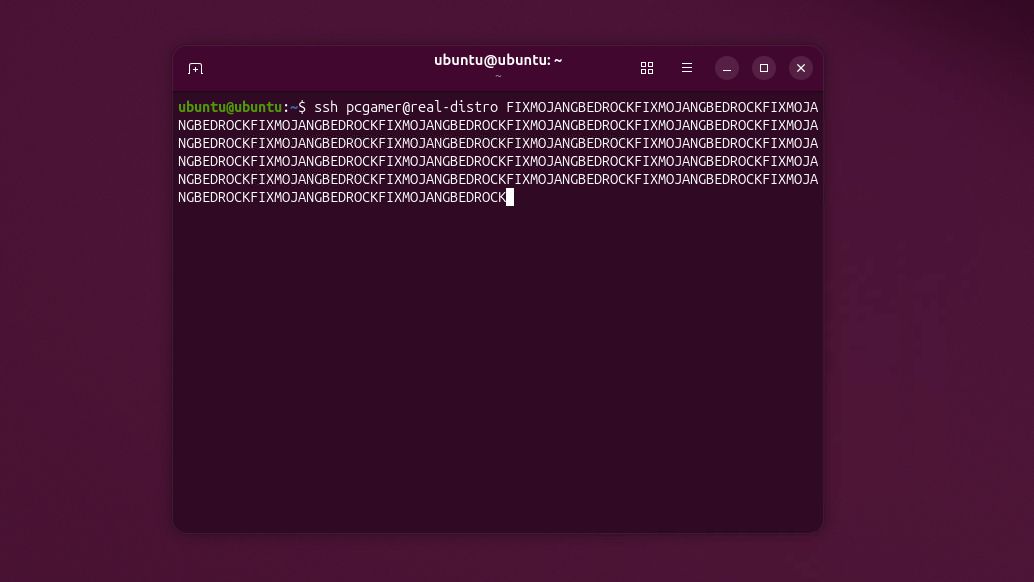
A security flaw has been discovered in certain Linux distributions, posing a risk to administrators of those systems. The vulnerability lies in the SSH protocol, a widely-used method for securely connecting to Linux machines. The flaw allows hackers to bypass authentication and gain root access with just a string of 257 to 1,024 characters.
OpenSSH, the secure shell protocol software, has acknowledged the issue and released a critical security update to address it. The problem is particularly relevant to systems using the musl libc library, which is implemented in a small number of niche Linux distributions. Among them, Alpine Linux, a minimal and security-focused operating system, is the most prominent.
The vulnerability occurs due to a bug in the musl C library. This library assumes that the star character (*) would never be used as a password hash. However, if an invalid password hash is provided with more than 257 characters, the system mistakenly interprets it as a valid password. This allows hackers to gain unauthorized root access.
The flaw has been fixed in the latest OpenSSH release, but only applies to systems running SSH servers with Pluggable Authentication Modules (PAM) disabled. Most Linux users are not affected, as OpenSSH clarifies that users on systems using Glibc, Dropbear, OpenBSD, or key-based authentication are safe.
Alpine Linux, on the other hand, does not enable PAM by default, and users must set UsePAM no in their sshd configuration. Additionally, an account with a password set to * must exist for the vulnerability to be exploited. While the issue has been resolved, it serves as a reminder for Linux administrators to stay vigilant and keep their systems updated.
Written by urgent.news from PC Gamer's reporting — not their text. Machine-written — may contain errors; check the original before relying on it.