AI’s ability to find cyber flaws outpacing firms’ capacity to fix them: Palo Alto Networks' Nikesh Arora
Nikesh Arora, Chairman and CEO of Palo Alto Networks, has called for faster and more collaborative approaches to vulnerability management.
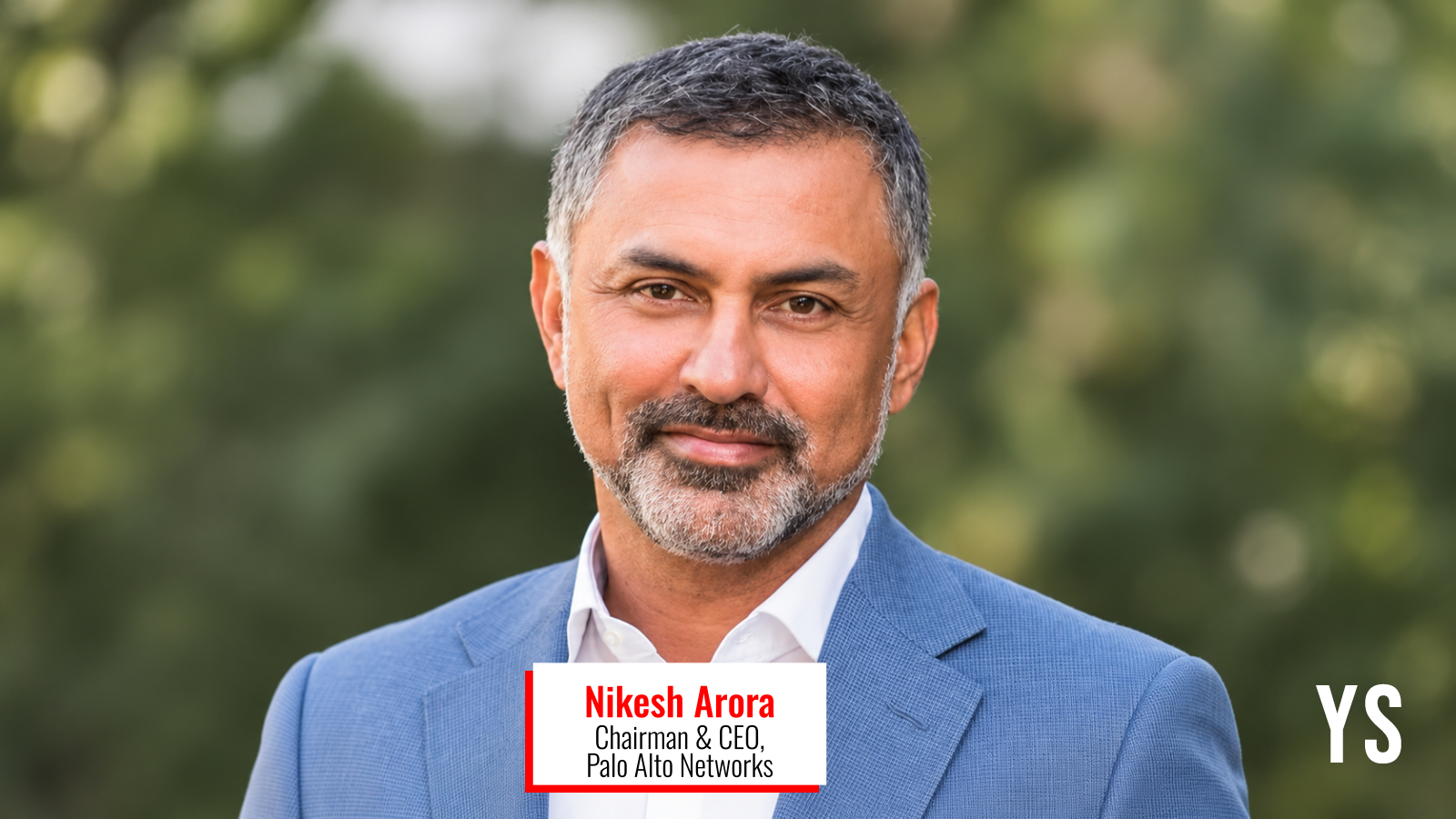
Nikesh Arora, Chairman and CEO of Palo Alto Networks, warns that frontier AI models are rapidly discovering software vulnerabilities at a pace that many organizations struggle to patch. In a LinkedIn post, Arora acknowledges that while AI can bolster cybersecurity, it may also provide attackers with swift methods to exploit system weaknesses.
He emphasizes that smaller firms often lack the necessary security specialists, while larger companies must test patches against existing applications. AI models identify a range of vulnerabilities, meaning a single model cannot offer complete coverage. Finding a flaw is just the beginning; teams must verify, assess risk, develop a fix, test for disruption, and deploy the solution.
This process is further complicated by false positives and untested patches that can disrupt services. The problem is worsening, with the US National Institute of Standards and Technology reporting a 263% increase in submissions to its National Vulnerability Database between 2020 and 2025. To address this, Arora supports virtual patching as a temporary solution, a method that blocks known exploitation methods without altering the affected software.
However, he cautions that virtual patches only protect the inspected system traffic and do not eliminate the underlying weakness. Arora calls for a shared vulnerability clearing house and faster development of protective signatures, or detection rules, to help combat the accelerating pace of AI-driven vulnerability discovery.
Written by urgent.news from YourStory's reporting — not their text. Machine-written — may contain errors; check the original before relying on it.