AI rout sets off market alarm signals as traders brace for what's next
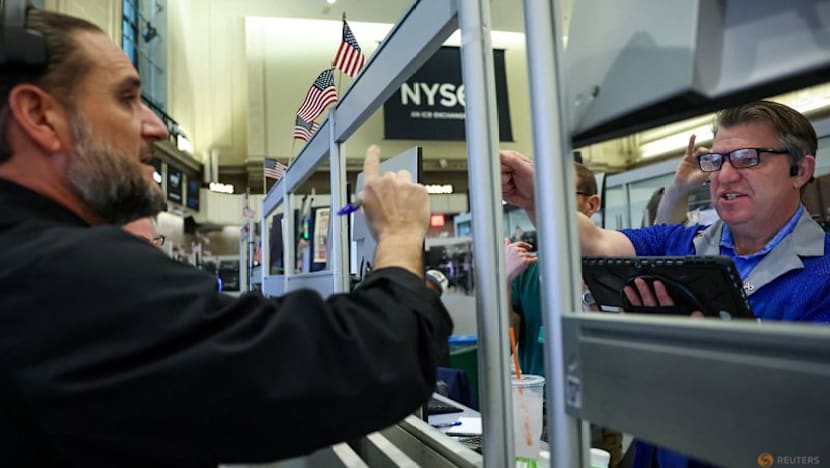
On November 6, a technology stock market collapse could expose the fragility of global financial markets, from New York to Taipei, as traders brace for uncertainty following recent market volatility. The tech-heavy Nasdaq 100 experienced a 2% rise on Friday, recovering from a 6% plunge on Thursday, but traders remain cautious.
Policymakers have long cautioned about the potential risks of an AI boom turning sour. Traders are closely monitoring market stress indicators, with a few signaling warning signs, though none have yet escalated to critical levels.
The VIX index, which gauges US stock market volatility, rose above 28 on Thursday, its highest level since late March. It has surged over 40% this week, although its increase is not as dramatic as the post-Liberation Day market surge or the August 2024 sell-off. Idanna Appio, a portfolio manager at First Eagle Investments, expressed concern that continued volatility and market stress could pose real challenges for accessing financial markets.
One notable sign of potential trouble in the AI sector is the surge in insurance protection against debt defaults. The cost of insuring debt from CoreWeave, a neocloud firm, has skyrocketed to record highs, with five-year credit default swap (CDS) spreads exceeding 1,000 basis points. Spreads on credit default swaps for SpaceX and Intel have also surged. Similarly, the premium for US high-yield corporate credit, known as junk bonds, has hit its highest level since the Liberation Day market turmoil.
There is a notable flight to safe havens, indicating increased market anxiety. US 10-year Treasury yields have fallen 50 basis points from their peak above 5% last month, reflecting concerns about high debt, rising inflation, and competition for capital as tech firms increase bond sales. Currency markets have shown some signs of investors seeking the US dollar, which rose 0.6% by 1500 GMT on Friday.
The premium for swapping foreign currencies into dollars briefly touched a low of -8 basis points on Thursday, signaling increased demand for dollar funding.
Despite these signs of stress, bond markets have so far remained relatively stable, unlike during the COVID-19 pandemic or around the Liberation Day tariffs. The MOVE index, which tracks US Treasury market volatility, hit a six-month high in October but has since declined. Other bond-market measures, such as US swap spreads, have also remained calm. Cash funds saw a $140 billion inflow in the week to Wednesday, the seventh-largest on record.
Written by urgent.news from Channel News Asia's reporting — not their text. Machine-written — may contain errors; check the original before relying on it.
Also reported by 2 other outlets
- AI rout sets off market alarm signals as traders brace for what's next channelnewsasia.com
- AI rout sets off market alarm signals as traders brace for what’s next investing.com