AI boom turns chip packaging into the next battleground for semiconductors
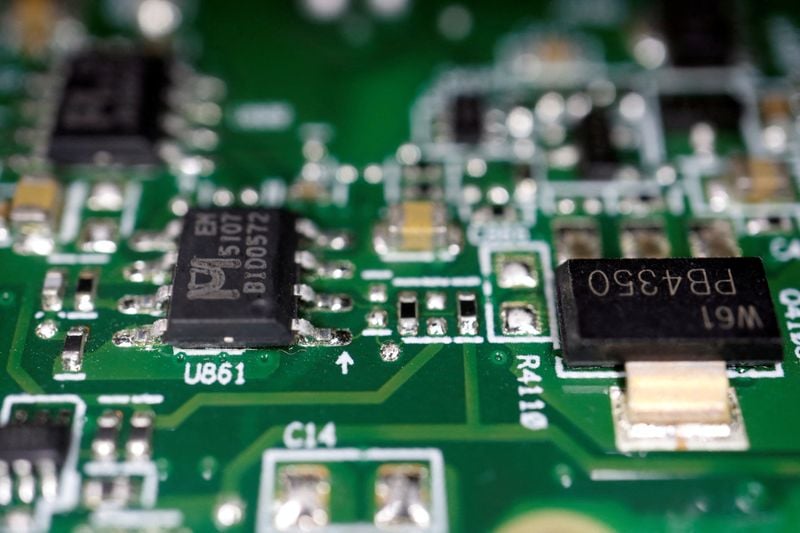
The global race to build AI infrastructure is driving investment in advanced chip packaging, a critical bottleneck in producing powerful processors. Companies like Nvidia, AMD and TSMC, the world's largest contract chipmaker, are expanding production. Packaging could eventually account for half the value of a chip product, with revenue from advanced packaging expected to surpass traditional chip manufacturing by 2026.
TSMC's CoWoS technology links separate chips on a shared base, enabling high-speed collaboration. Nvidia is financing Siliconware Precision Industries' expansion of CoWoS capacity, while AMD is investing over $10 billion in Taiwan's semiconductor industry. Alternative packaging solutions like panel-level technology, developed by Powertech, are being explored to reduce material waste and accommodate larger AI chips.
Chip designers are increasingly using advanced packaging to integrate multiple chips into a single system, overcoming the limitations of traditional packaging that mainly protected chips and provided electrical connections. The shift towards advanced packaging comes as it becomes harder and costlier to achieve performance gains by shrinking transistors.
Written by urgent.news from Investing.com's reporting — not their text. Machine-written — may contain errors; check the original before relying on it.