A rate rise is the right decision, but stop blaming Iran
The Bank of England’s unanimous decision to raise interest rates to four per cent reflects serious concerns over persistent inflation, not just external shocks. The government most now address root cost issues rather than blaming external factors like the war in Iran, says Emmanuel Igwe The war in Iran has been central to the Bank [...]
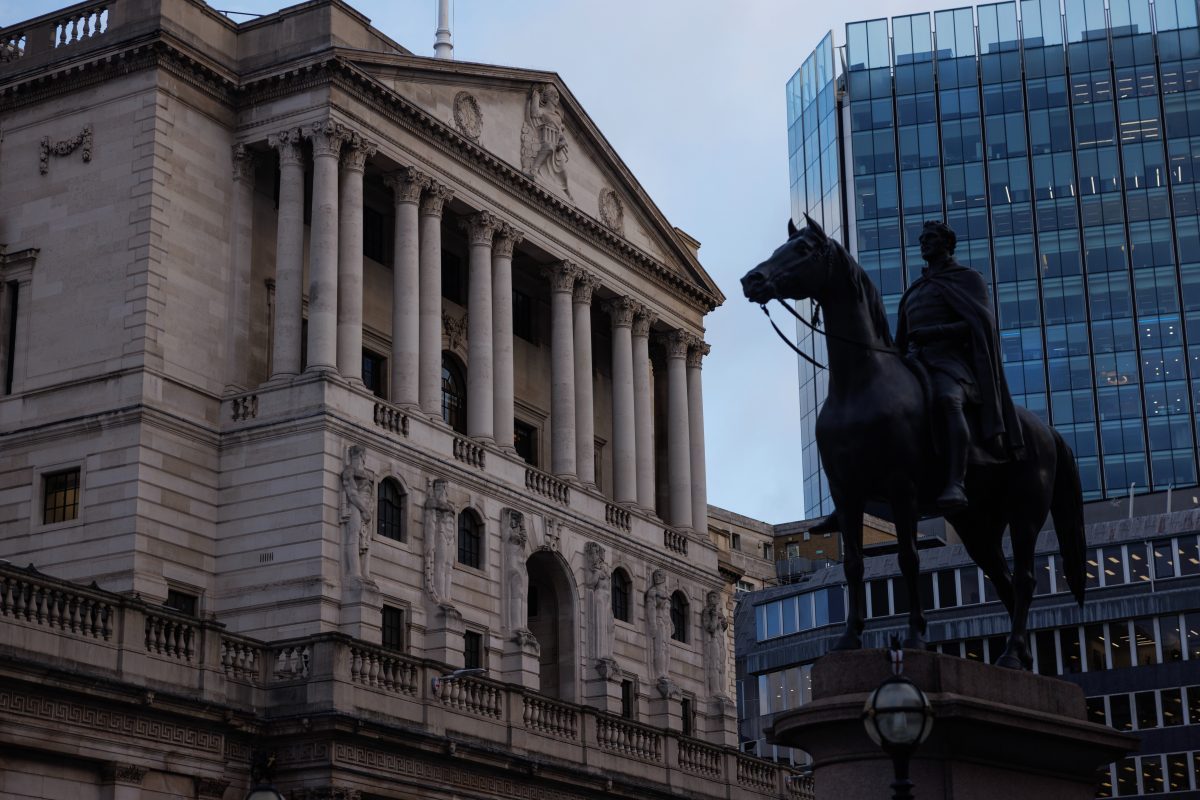
The Bank of England has unanimously raised interest rates to four percent, driven by persistent inflation concerns rather than external factors such as the Iran war. This decision, unanimously agreed upon by all nine members of the Monetary Policy Committee (MPC), signifies that the Bank no longer views energy shocks as temporary issues.
Inflation, driven primarily by rising fuel prices, has increased from 3.1% in August to 3.5% in September. Eight out of 10 businesses surveyed by the Bank attribute energy shocks to their intentions to raise prices. Inflation is expected to peak at 3.75% early next year, with the Bank predicting a rise of up to five percent by mid-2027.
Those with tracker mortgages will see immediate increases in their payments, while those with variable rates will face a rate increase within a month. Fixed-rate mortgage holders will be insulated from the rate increase initially but will face a significant increase when their current deal ends. Those with cash savings will finally earn some interest after a long time.
Businesses, already burdened by inflated energy bills due to the Iran war, now also grapple with higher borrowing costs. This will negatively impact business investment, which was a significant factor in Britain's economic growth this year. Markets anticipate up to four more quarter-rate rises by the end of 2027, potentially squeezing businesses' profits well into the next year.
The Bank's decision reflects the government's budget constraints, with the Office for Budget Responsibility (OBR) estimating that higher-than-expected inflation will add £14 billion annually to government borrowing costs. Critics, such as the New Economics Foundation, deem today's decision as "economic self-harm." However, hesitation at this moment would be disastrous, as failing to act when businesses signal the need to raise prices risks losing control over market expectations.
Governor Andrew Bailey cautioned against promising further rate hikes, noting that higher interest rates may cool domestic demand but cannot lower energy prices or open the Strait of Hormuz. The focus now lies on the government to address the root problems of inflated energy costs, which are largely unrelated to the Iran war. The Chancellor must confront these issues by removing green and social levies from household bills, which could increase bills by the equivalent of £1,400 per household by 2031.
The upcoming EU summit on November 20th, where the proposed UK-EU alignment on carbon costs could exacerbate the situation, underscores the urgency for the government to act.
Written by urgent.news from City AM's reporting — not their text. Machine-written — may contain errors; check the original before relying on it.