Why does Diwali fall on different dates every year? The moon has the answer
Diwali moves because it is set by the moon, not by the Gregorian calendar on your wall. Last year the main night fell on October 20, 2025. This year it lands on Sunday, November 8, 2026, almost three weeks later. Next year it swings back to 29 October 2027. That zigzag is not random. It comes from a calendar that tracks two clocks at once, the moon and the sun, and has a clever trick for keeping…
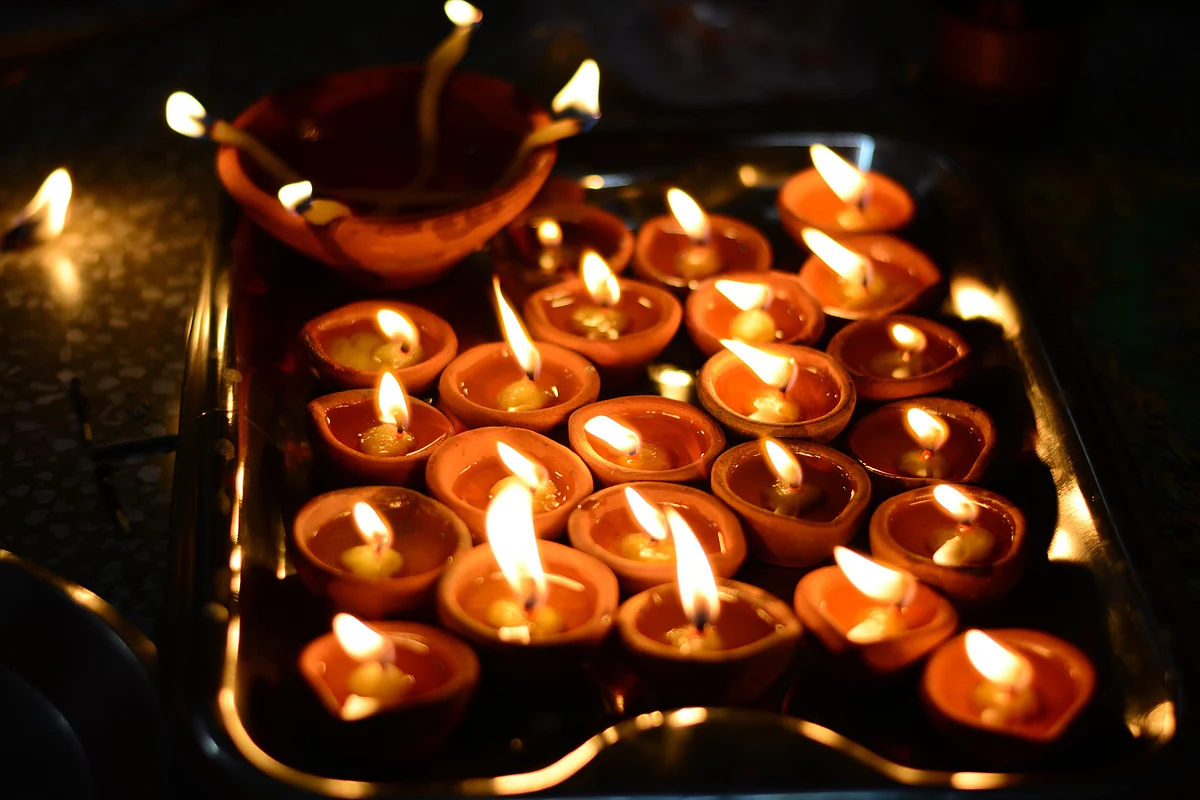
Diwali's date changes yearly because it follows the lunar calendar, not the Gregorian calendar. Last year, the main celebration was on October 20, 2025, while this year it's on November 8, 2026. The next occurrence will be on October 29, 2027. This shifting pattern isn't random; it results from a calendar system that monitors both lunar and solar cycles.
Diwali is anchored to a specific moon phase - the new moon (Amavasya) in the lunar month of Kartik. Hindu months progress from one moon phase to the same phase, approximately every 29.5 days. This lunar cycle makes the question "When is Diwali?" equivalent to "When is that new moon?" The lunar calendar occasionally includes an extra month (Adhik Maas) to maintain alignment with the solar year, which is about 365 days long.
Thus, Diwali's date fluctuates: by roughly 11 days without a leap month and about 19 days after one occurs. The exact day can sometimes be debated due to tithis, or lunar days, which don't start at midnight and can span two calendar days. The main Diwali rituals typically occur in the late afternoon, so almanacs mark the day when the new moon falls within that window.
For instance, in 2024, the new moon began in the afternoon of October 31 and ended on November 1, leading some regions to celebrate on October 31, while others on November 1.
Written by urgent.news from Gulf News's reporting — not their text. Machine-written — may contain errors; check the original before relying on it.