‘We’re not for sale’: Americans reject data centre projects amid growing AI backlash
NEW YORK, Nov 6 — Voters in dozens of American cities approved restrictions or outright bans on data centres  ...
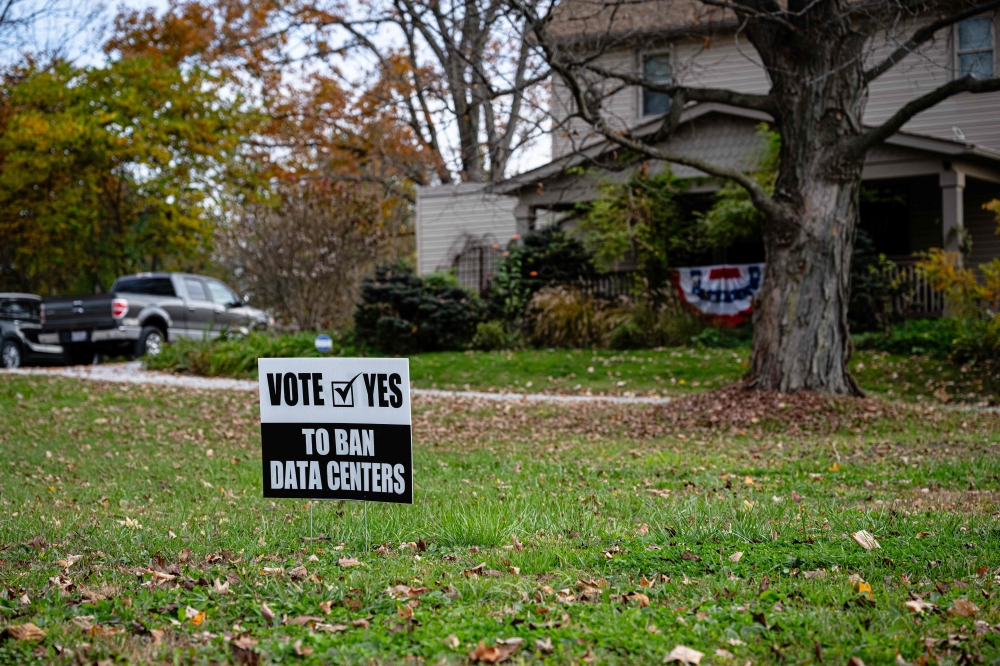
In recent American midterm elections, voters in numerous cities chose to restrict or ban data center projects, highlighting a widespread concern over the AI boom, according to wire service reports. Alisha Lange, a farmer from Piqua, Ohio, said, "People want their town back," and she was one of the key figures behind the grassroots group Save Piqua, which successfully pushed for a ban on data centers with a capacity of over 25 megawatts.
Despite a $1 billion data center project by Meta already being approved, the ban could jeopardize its construction. Over three dozen local measures have already passed, resulting in tighter regulations for data centers, with nearly 600 jurisdictions nationwide imposing restrictions, including entire states like New York and Texas.
Similar outcomes were seen in Ottawa, where residents also overwhelmingly approved a ban on large data centers. "We’re not for sale," said Michael Lewis, a member of Ottawa United and a former congressional candidate. Janesville, Wisconsin, faced a similar situation, where a developer initially proposed a $8 billion data center project.
However, the community began to demand transparency, and the city council ultimately rejected the proposal and imposed a moratorium. Any large-scale project on the site must now be approved by referendum. While some expressed outright opposition to data centers, others simply sought more transparency. The Meta project in Piqua was the final straw, leading to the removal of city officials and sparking a court order for a referendum.
Lewis emphasized the unity across political lines in their opposition, stating, "It was wonderful. That was the true meaning of community right there."
Written by urgent.news from Malay Mail's reporting — not their text. Machine-written — may contain errors; check the original before relying on it.