Voters' data center rebuke hits some tech companies harder than others
Anti-data center measures passed in the US midterms could carry financial consequences for tech giants.
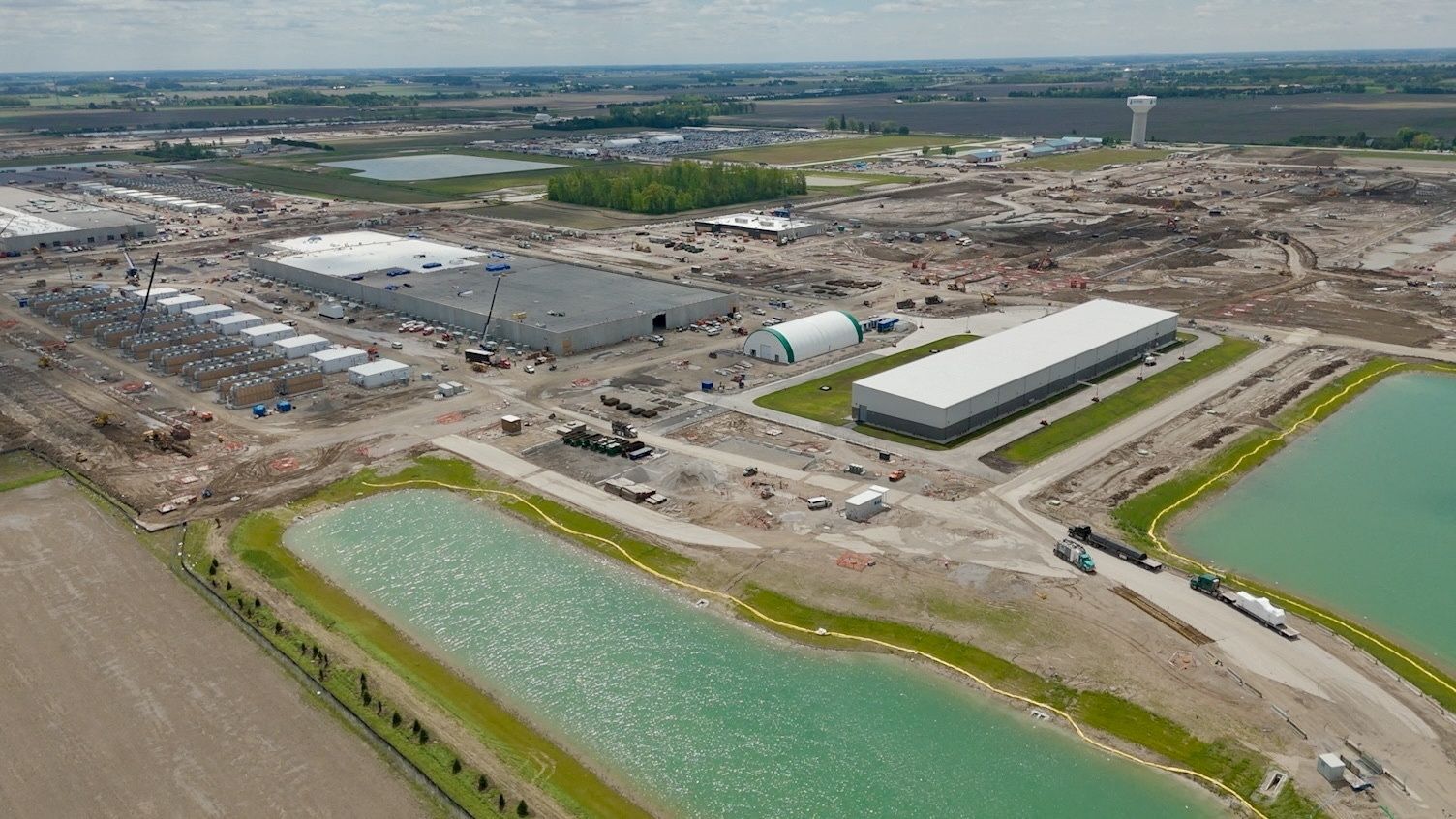
Voters in Ohio's Piqua and Trenton, as well as Ashville, outside Columbus, recently rejected plans for large data centers or recalled commissioners who supported them. These ballot measures reflect a nationwide surge in anti-data-center sentiment, with dozens of measures proposing bans, moratoriums, or stricter regulations. Companies like Meta, Amazon, and EdgeConneX face financial consequences due to these votes, as some projects were already in progress.
Meta's $110 million investment in Piqua and Amazon's proposed 600-acre campus in Trenton have been directly impacted. Despite the bans, both companies stated they remain committed to Ohio and continue engaging with local communities. According to a Cleanview analysis, over 40% of US planned data center capacity is located in states with paused or banned new data centers.
While this may slow buildout, markets anticipate a slowdown. Shares of companies directly exposed to physical data center construction, like Modine and Sterling Infrastructure, declined 21% each. Meanwhile, hyperscaler stocks rose, as traders believe data center spending will be curbed. As Democrats prepare for a Congress with a mandate to address AI data centers, tech companies are recalibrating their strategies ahead of potential new regulations.
Written by urgent.news from Semafor's reporting — not their text. Machine-written — may contain errors; check the original before relying on it.