US borrowing outlook steadies after midterms, but Treasury yields face new tests: analysts
After the Democrats swept the US midterm elections, a divided government may help restrain future Treasury borrowing and prevent fresh deficit blowouts, though it will not necessarily bring down elevated bond yields, analysts say. The US Treasury Department unveiled its quarterly refunding statement on Wednesday, with market participants describing the overall borrowing outlook as largely…
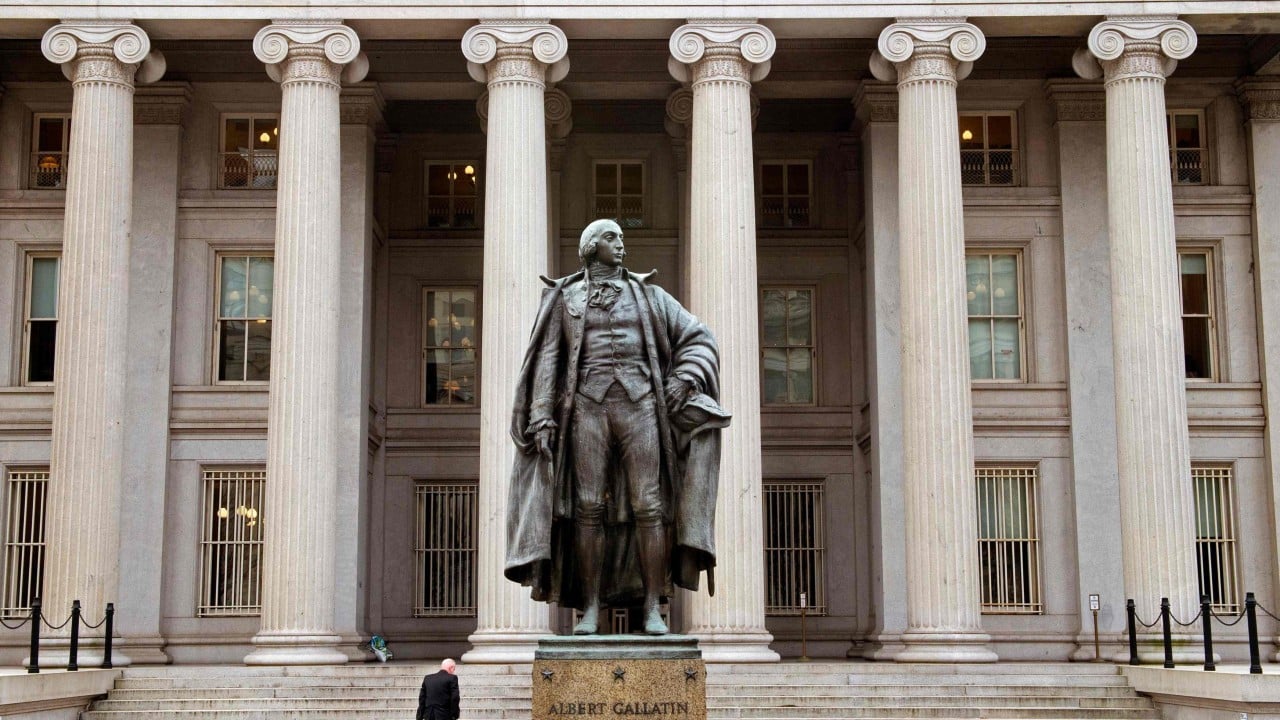
The US Treasury Department released its quarterly refunding statement on Wednesday, signaling a steadier borrowing outlook following the recent US midterm elections. While a divided government may help curb future Treasury borrowing and prevent deficit blowouts, analysts argue that it won't necessarily lower elevated bond yields. The Treasury expects to maintain note and bond auction sizes unchanged for the next several quarters, with the 30-year bond auction remaining at $25 billion, similar to the May and August rounds.
Dario Messi, head of fixed-income research at Swiss private bank Julius Baer, noted that a divided government "sharply limits" the scope for future unfunded fiscal packages. This outcome does not resolve US fiscal challenges but reduces the risk of a discretionary deterioration in the deficit over the next two years. Matthew Ryan, chief US economist at asset management firm T. Rowe Price, emphasized that despite projected fiscal policy constraints, other market factors could continue driving yields higher.
He pointed to long-term Treasury supply and persistent inflation as key contributors to elevated bond yields, which have trended upward over the past two years, reaching a multi-year high in October.
The 10-year US Treasury note, a benchmark for mortgage rates, climbed to around 5.36% in early October. Analysts are closely monitoring the financing demands stemming from the AI investment cycle, as well as stubborn inflation and the Iran war's ongoing impact. The 30-year Treasury yield dropped to about 5.23% on Wednesday, falling from a peak of 5.732% earlier in the month, as a tech stock sell-off and increased safe-haven demand weighed on the market.
Analysts cautioned that any slowdown in capital expenditure expectations would lead to a lower growth outlook and more modest issuance needs, potentially keeping yields high as long as the Iran war persists and inflation expectations remain elevated.
Written by urgent.news from South China Morning Post's reporting — not their text. Machine-written — may contain errors; check the original before relying on it.
This story
This is one outlet's version. Read the fullest account.