UK interest rates hiked to 4% in first increase in over three years
AgenciesInterest rates have risen for the first time in more than three years and the Bank of England has signalled a further increase is likely unless the US-Iran war is resolved....
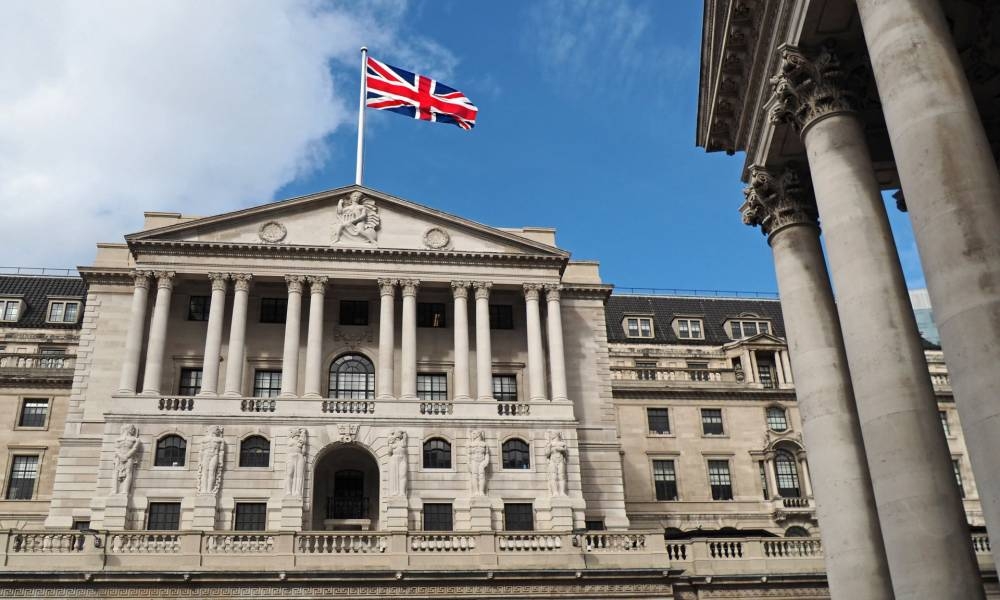
The Bank of England has raised interest rates to 4% for the first time in over three years in a bid to combat inflation. The primary driver of this decision is the impact of the US-Iran conflict on global oil prices. Bank of England Governor Andrew Bailey stated that the decision should not be interpreted as the beginning of an inevitable series of hikes, but warned that the conflict in the Middle East must be resolved to avoid further rate increases.
While the higher interest rates will increase the cost of borrowing for items like mortgages, loans, and credit cards, they will also provide higher returns on savings. The nine members of the Bank's rate-setting committee all voted in favor of the increase, with one member proposing an even larger increase to 4.25%.
Bailey emphasized that the hike is warranted due to higher energy prices and highlighted the role of the Middle East conflict as the main factor in future decisions. He indicated a willingness to consider further rate hikes, contingent on the progress towards resolving the conflict and the trajectory of energy prices and inflation in the coming months.
However, opinions within the committee varied on the path forward. Clare Lombardelli and Megan Greene suggested that further increases could be likely, depending on how inflation impacts wages, prices, and the job market. In contrast, Alan Taylor described the rate hike as a "risk-management 'one-for-now' insurance hike."
Inflation, though well below its recent peaks, remains above the Bank's 2% target and is expected to continue its upward trajectory next year. Current inflation stands at 3.5% for the year to September 2026, driven largely by higher fuel prices. The Bank noted limited evidence that energy price increases have yet to translate into higher costs for goods and staples, as some firms absorb cost increases and maintain lower margins.
Mortgage holders, such as Patrick Bryson from Brighton, will face increased monthly repayments due to the higher interest rates. Bryson, who has a five-year mortgage at a 3.51% rate, will see his payments rise from £1,420 to £1,680 a month from February, despite having a combined household income of around £68,000. The couple has already adjusted their spending habits to cope with the higher costs, including reducing their dining out and subscription services.
Bailey expects inflation to peak at 4.9% in the middle of next year, higher than initially anticipated, and not to return to the 2% target until 2028. However, in an adverse scenario where the Middle East conflict escalates further and oil prices surge, inflation could reach 6.2% in 2027. Despite the UK's inability to control global energy prices, the Bank raised rates to mitigate the broader impact of high energy prices on inflation.
Written by urgent.news from Qatar Tribune Business's reporting — not their text. Machine-written — may contain errors; check the original before relying on it.