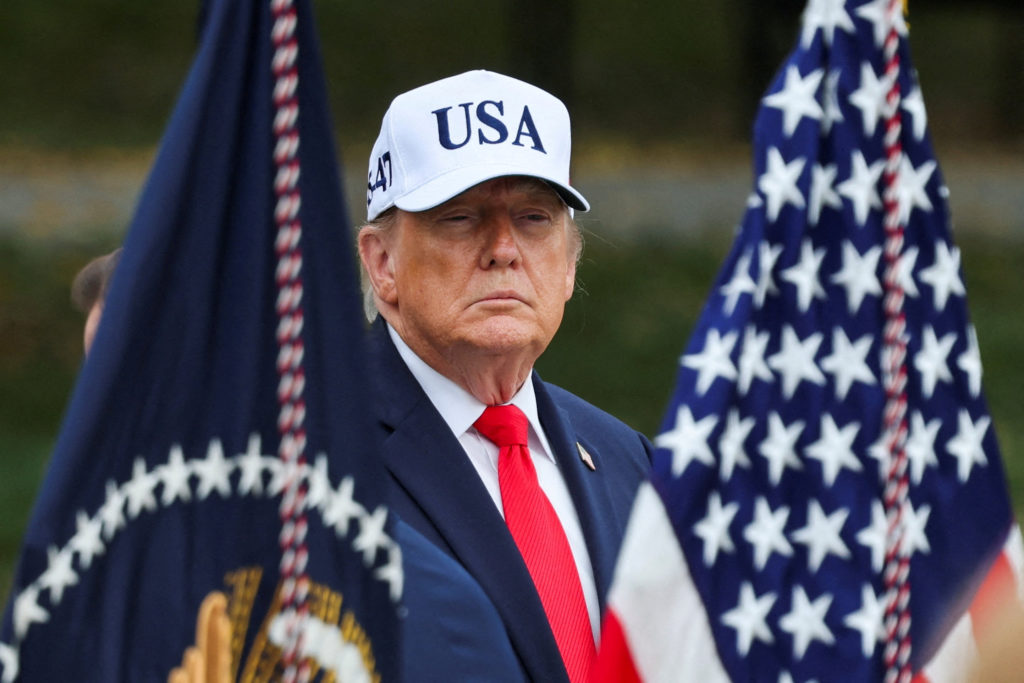
Trump says he ‘would rather not destroy the rest’ of Iran, ‘but maybe will have to’
US president insists Tehran cannot do anything on its nuclear program without 'approval' from Washington * Turkey’s parliament ratifies defense pact with Pakistan and Saudi Arabia
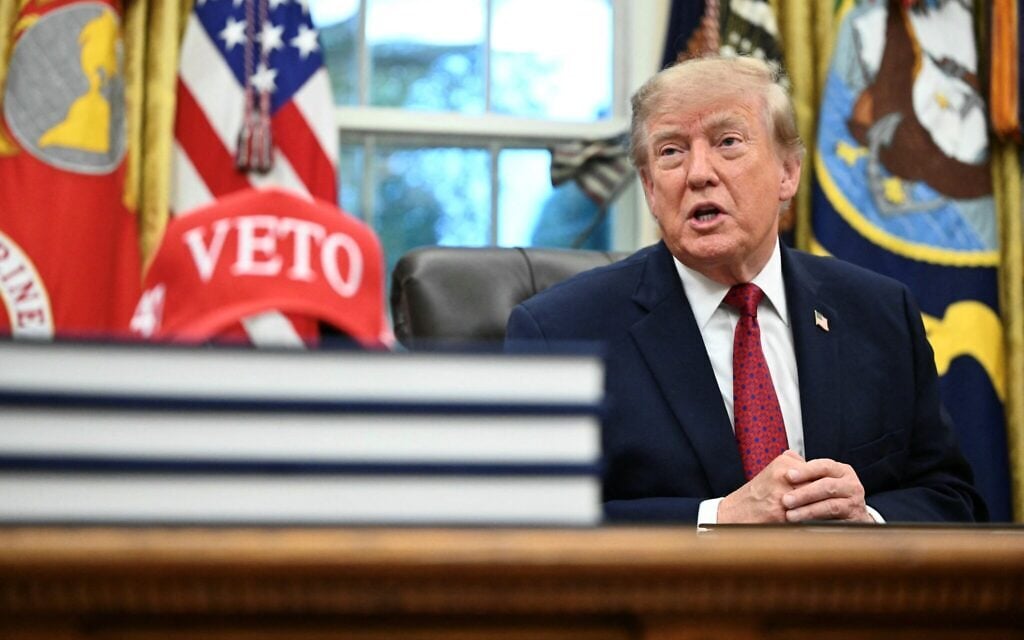
After his Republican Party's devastating midterms, President Donald Trump must now decide how to proceed with his ongoing war against Iran. Weeks ago, Trump vowed a full-scale bombardment if Iran did not agree to settlement terms acceptable to him. Following Democrats' sweeping election victory, largely driven by voter dissatisfaction with the war, Trump largely agreed with Vice President JD Vance's assessment that the conflict is a catastrophe for Republicans.
Trump suggested the election losses do not influence his decision-making, stating, "If we have to do the rest of the Iran thing, we're very much locked in." The conflict has inflicted billions of dollars in damage and increased global gas prices, impacting families worldwide. Iran-backed Houthi rebels have escalated hostilities in the Red Sea, attacking civilians and Saudi infrastructure, deepening a humanitarian crisis.
While oil is flowing again from the Strait of Hormuz with U.S. Navy escorts, the situation in the Red Sea remains volatile, with Houthi rebels targeting Yemeni civilians and Saudi infrastructure. A senior Yemeni government official emphasized that the threat from Iran and its proxy groups remains unchanged following the U.S. elections, urging Washington to avoid hasty decisions.
Analysts suggest Trump may feel less restrained after the political damage is done, but the strategic logic of escalation against Iran remains unchanged. Options include continuing defensive strikes, targeting Iran's nuclear facility at Pickaxe Mountain, or increasing attacks on Iranian infrastructure. However, such escalation could worsen oil and energy price issues, a key factor in the electoral outcome. The outcome of these decisions rests on the actions and responses of Iran and its allies.
Written by urgent.news from PBS NewsHour's reporting — not their text. Machine-written — may contain errors; check the original before relying on it.
This story
This is one outlet's version. Read the fullest account.
- After midterms, Trump is left to weigh his next move in Iran war that contributed to GOP loss pbs.org
- Trump meets with national security team, says Iran war decision coming "soon" axios.com
- Trump’s first move after midterms? Ensuring future presidents can’t change his Oval Office scmp.com
- Hegseth in ‘trouble’ as Trump faces music on Iran war, midterms thehill.com
- Trump says he may have to ‘destroy’ rest of Iran middleeasteye.net
- Trump ‘locked and loaded’ for potential strikes in Iran but would ‘rather not destroy rest of the country’ hindustantimes.com
- Trump on possible new strikes against Iran: You will know soon enough israelnationalnews.com
- Iran war live: Trump warns US may have to ‘destroy’ rest of Iran aljazeera.com