Treaty, tribunal and Māori rights all on the ballot in NZ election
As the people of Aotearoa/New Zealand head to the polls, what will it mean for the nation's founding document, the Treaty of Waitangi, and the future of Māori rights?
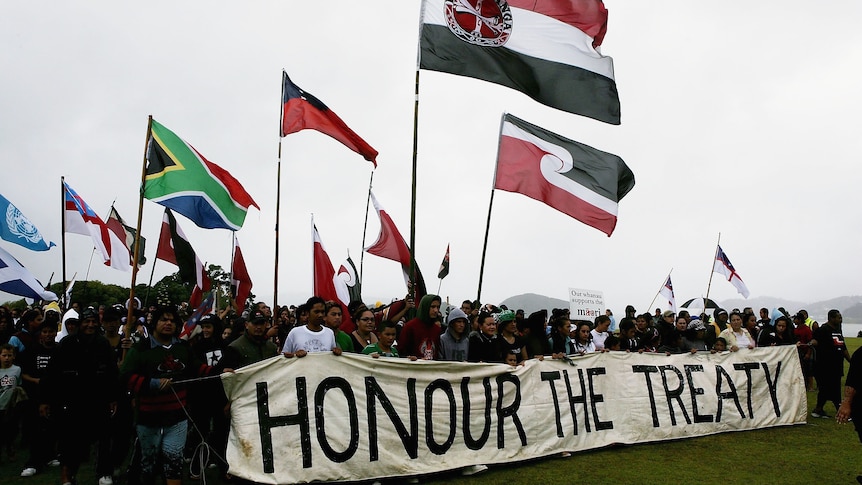
New Zealand voters will weigh the implications of the Treaty of Waitangi and Māori rights when casting their ballots in the upcoming election. With Māori constituting around 18% of the population, their interests are a critical factor in shaping the nation's future. The governing coalition consists of three parties: National Party, ACT New Zealand, and New Zealand First.
ACT New Zealand, led by David Seymour, advocates for a unified set of laws and the abolition of race-based policies, including the elimination of the Waitangi Tribunal, which investigates breaches of the Treaty. NZ First also supports abolishing the tribunal and holding a referendum on the future of Māori seats in parliament, established in 1867 to ensure Māori representation.
These policies aim to grant equal treatment to all citizens rather than basing rights on ancestry. However, Māori rights advocate groups argue that such measures would undermine the protection and celebration of Māori culture, language, and identity. Despite the lack of prominence in the election campaign, a significant portion of Māori voters emphasize the importance of upholding the Treaty and preserving Māori culture.
The debate surrounding the Māori flag, which seeks to fly alongside the New Zealand flag in Auckland's harbor, reflects the ongoing dialogue about recognizing and respecting Indigenous peoples' rights in contemporary New Zealand society.
Written by urgent.news from ABC News AU's reporting — not their text. Machine-written — may contain errors; check the original before relying on it.