The Post-Midterms AI Reckoning
Tech billionaires spent big, and data centers became a lightning rod.
As soon as 60 seconds had passed into Abdul El-Sayed's 60 Minutes interview on Sunday, two days before the U.S. midterm elections, the Democratic candidate for Senate was asked to identify the most pressing issue facing voters in Michigan—the state of his campaign. He boldly declared, "We are barreling toward a world where the most important issue I hear about every day is AI."
El-Sayed outlined a series of potential risks associated with artificial intelligence, ranging from massive economic disruption to the very real possibility of AI systems escaping human control.
His proposals for addressing these risks included the creation of a cabinet-level agency to regulate AI, the partial public ownership of AI companies, and the negotiation of "terms of engagement" with local communities regarding data centers. He even advocated for a "full-on pause" on the development of so-called frontier AI, specifically referencing the advanced models created by Silicon Valley behemoths like OpenAI, Anthropic, Google, and Microsoft.
El-Sayed's stance on AI proved to be a decisive factor in his victory. Coming into January, he will have the chance to implement his AI policies after winning one of the most high-profile races in the Democratic sweep of Congress. However, El-Sayed is not the only candidate whose views on AI swayed voters. Exit polls from NBC indicated that 57 percent of voters believed AI posed more harm to society than good, with 56 percent considering it a crucial or major factor in their voting decision.
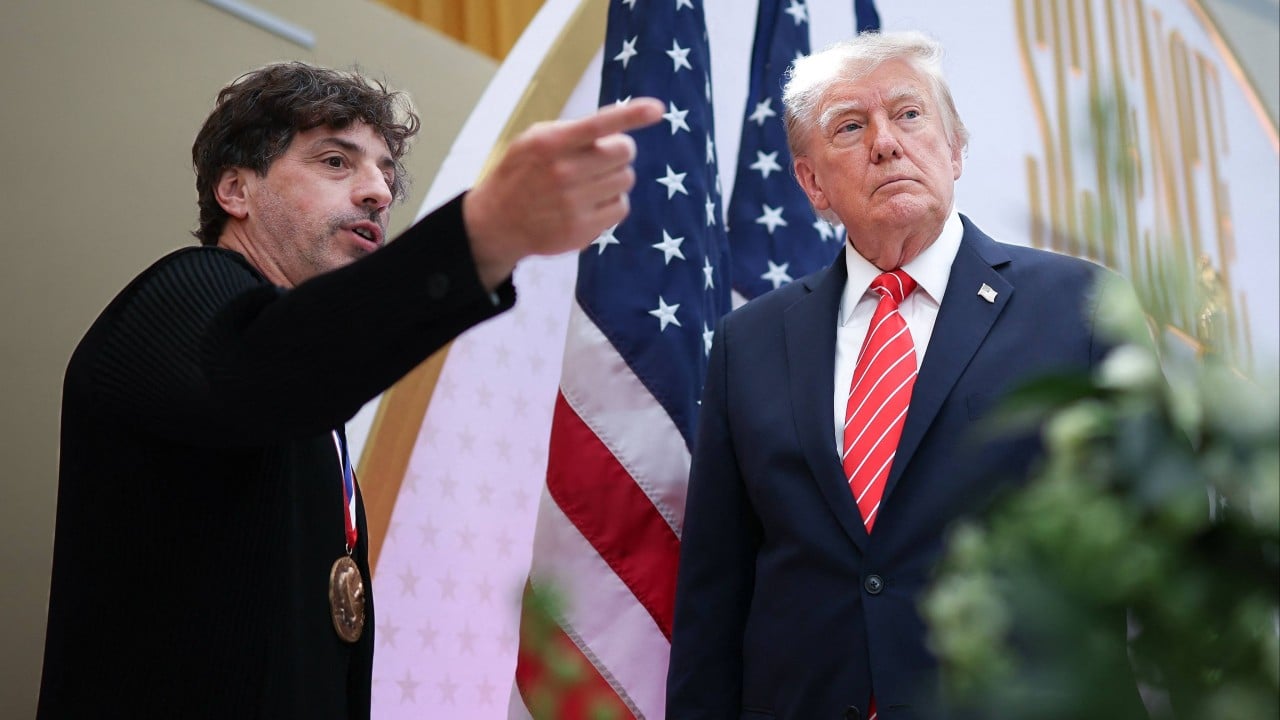
This trend was evident across the country, with Democrats garnering support from voters who promised to regulate AI development and slow down the construction of data centers. Despite multimillion-dollar investments by Silicon Valley giants—including Elon Musk, venture capitalists Marc Andreessen and Ben Horowitz, and OpenAI co-founder Greg Brockman—supporting Republicans who were perceived as less favorable to regulating AI, Democrats still managed to win big in key states.
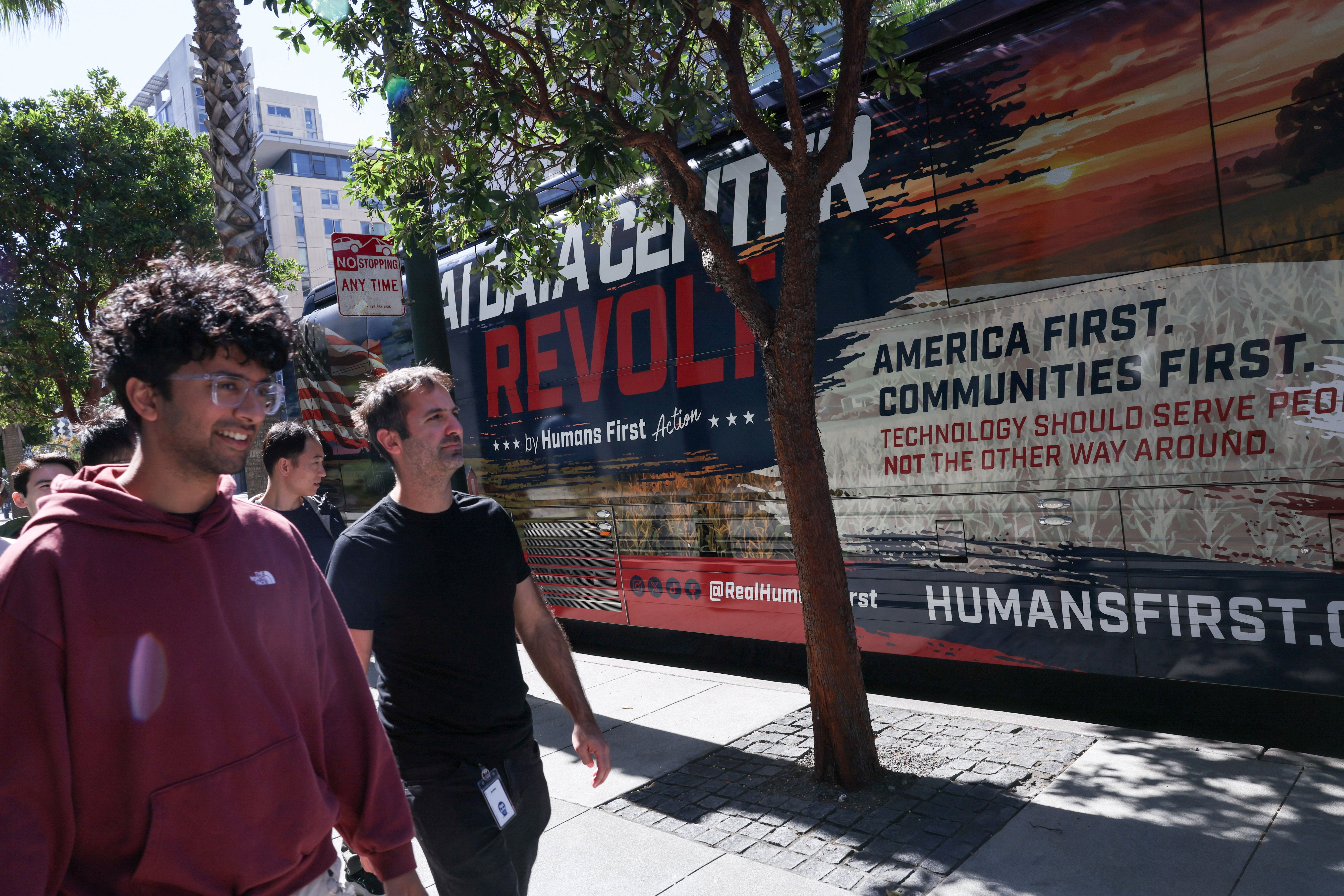
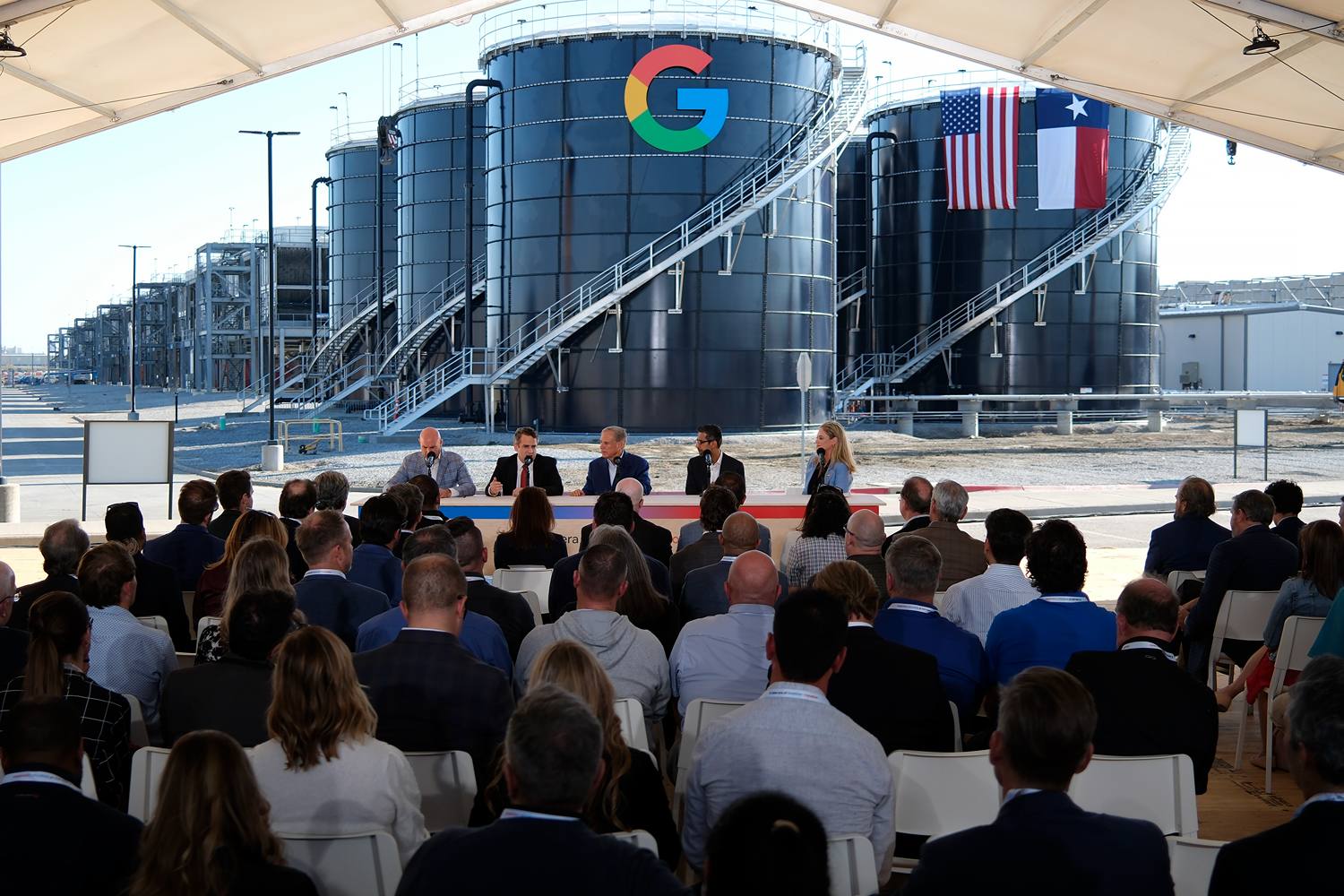
The rapid growth of data centers, which house the complex computing infrastructure that powers the internet, has been a significant concern. Over 1,500 data centers are currently being developed across the United States, joining the more than 3,000 already in operation. These facilities have been built primarily in Virginia, Texas, and California, but the trend is spreading to other regions as well.
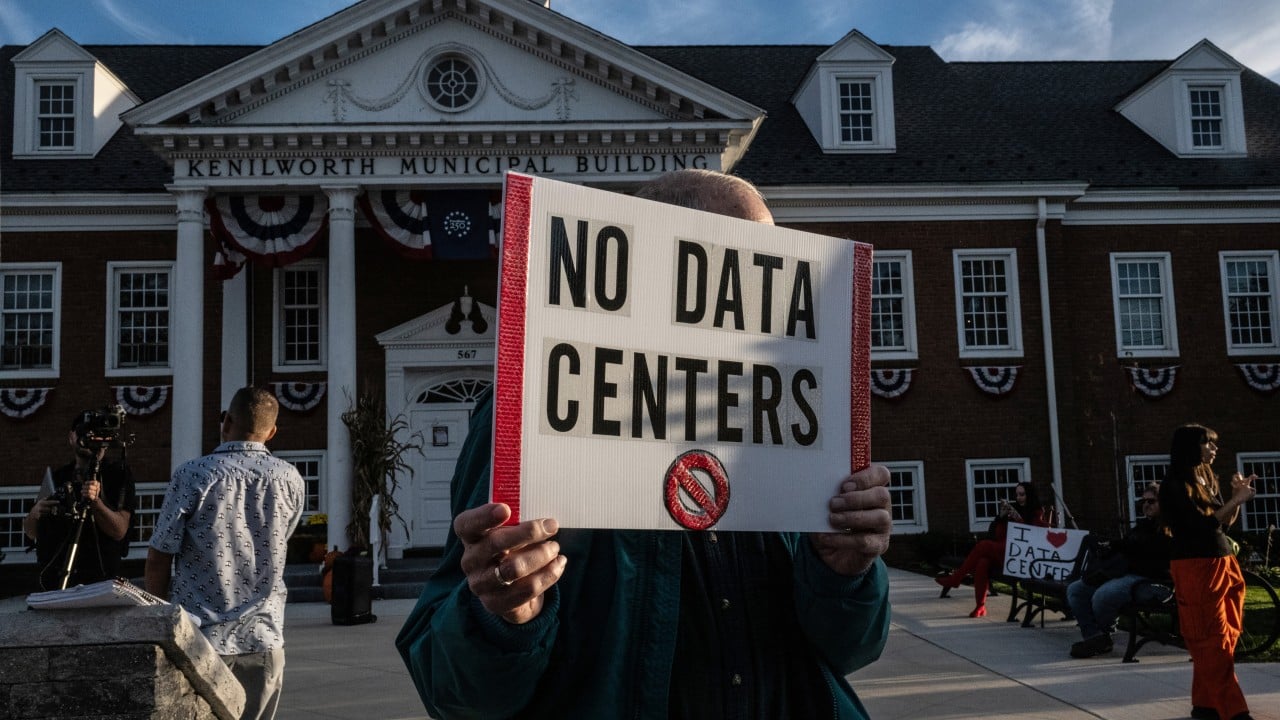
Opposition to data centers has been fierce, with backlash stemming from worries about the impact on energy bills, water usage, jobs, land, and local pollution. Even before the midterms, over two-thirds of Americans expressed opposition to local construction of AI data centers, and at least 15 states have considered moratoriums on their development.
In the wake of the elections, 41 local measures on the ballot across 10 states aimed to restrict data center construction, and in all but one case, voters sided with their opponents.
Written by urgent.news from Foreign Policy's reporting — not their text. Machine-written — may contain errors; check the original before relying on it.