Tech giants turn to cash, concessions for AI rebrand after voters pummeled data centers 43-1
The AI industry is scrambling to repackage a $10 trillion infrastructure buildout to appease a hostile electorate that overwhelmingly voted to restrict data center construction in ballot measures across the country. It's not just changing the name of data centers to "compute campuses," but offering communities real money, including dividends, benefits for schools or cities, environmental…
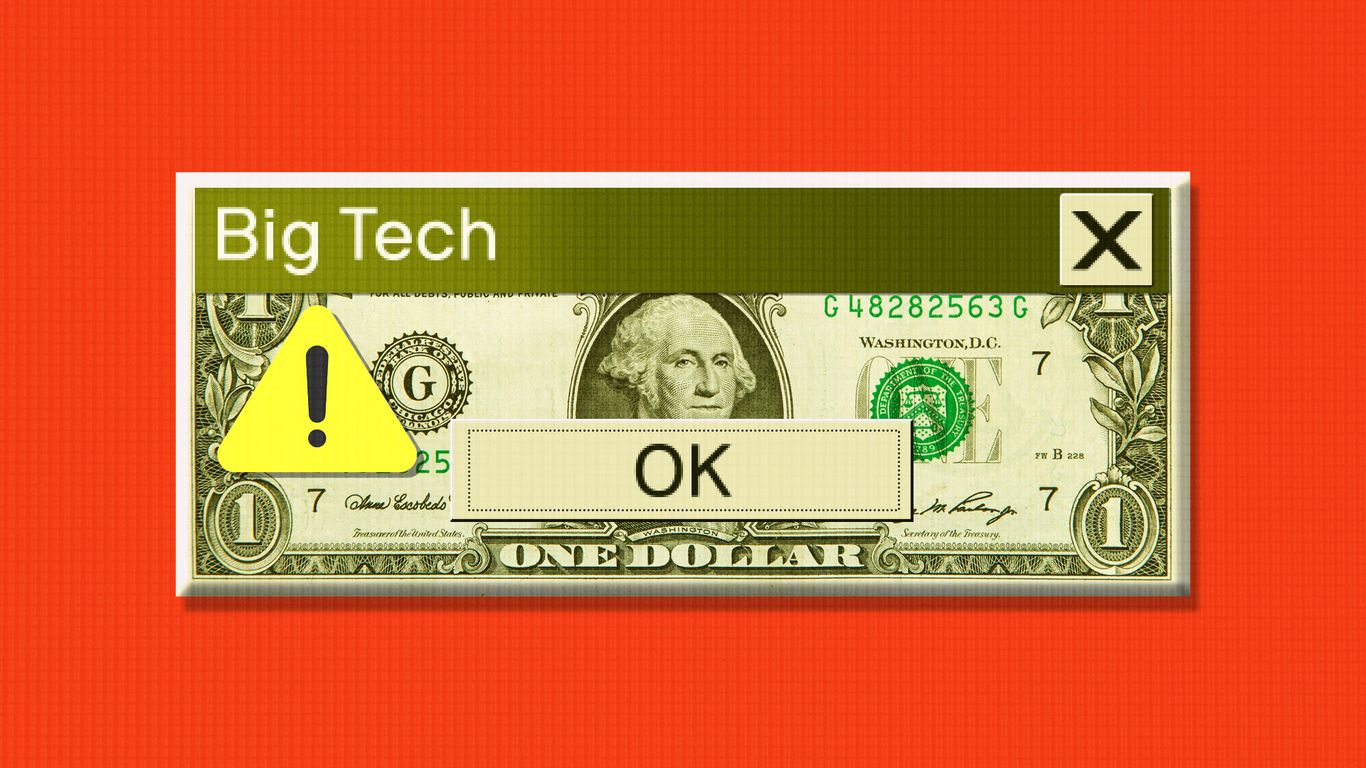
The AI industry is rapidly adjusting a $10 trillion infrastructure plan to accommodate voter opposition to data center construction, which was overwhelmingly approved in 43-1 ballot measures nationwide. This strategy goes beyond merely renaming data centers to "compute campuses" and includes offering communities tangible benefits such as dividends, school or city funding, environmental concessions, and labor protections.
The significance of this shift is that voters are unwilling to support unchecked expansion, although industry analysts anticipate a slowdown rather than an outright halt in data center construction across the U.S. The world's leading tech companies are developing a rebranding strategy to gain community support. OpenAI's Chief Global Affairs Officer, Chris Lehane, likened the industry's response to the 1996 election, emphasizing the importance of listening to voters and responding accordingly.
To successfully appease voters, tech companies must demonstrate that data centers can be long-term, economically beneficial projects for local communities. In the aftermath of Tuesday's election, it is clear that restrictive measures are favored by voters, with an average approval rating of 75%. The potential delay of about 60% of planned 2028 data center capacity in the U.S. underscores the urgency of this rebranding effort.
Although Democrats are likely to take control of key congressional committees, it remains uncertain if they will adopt the industry's proposed measures or require more binding agreements.
Written by urgent.news from Axios's reporting — not their text. Machine-written — may contain errors; check the original before relying on it.