Surging Airfares A Concern? Don’t Fly Then
Marie Antoinette, the last queen of France, is famously believed to have responded to starving Parisians with the words, “Let them eat cake.” Whether she actually said those words is disputed, but over the decades it has become a metaphor for indifference to ordinary people's hardships. A similar indifference signifies the government’s approach to the skyrocketing cost of air travel in India.…
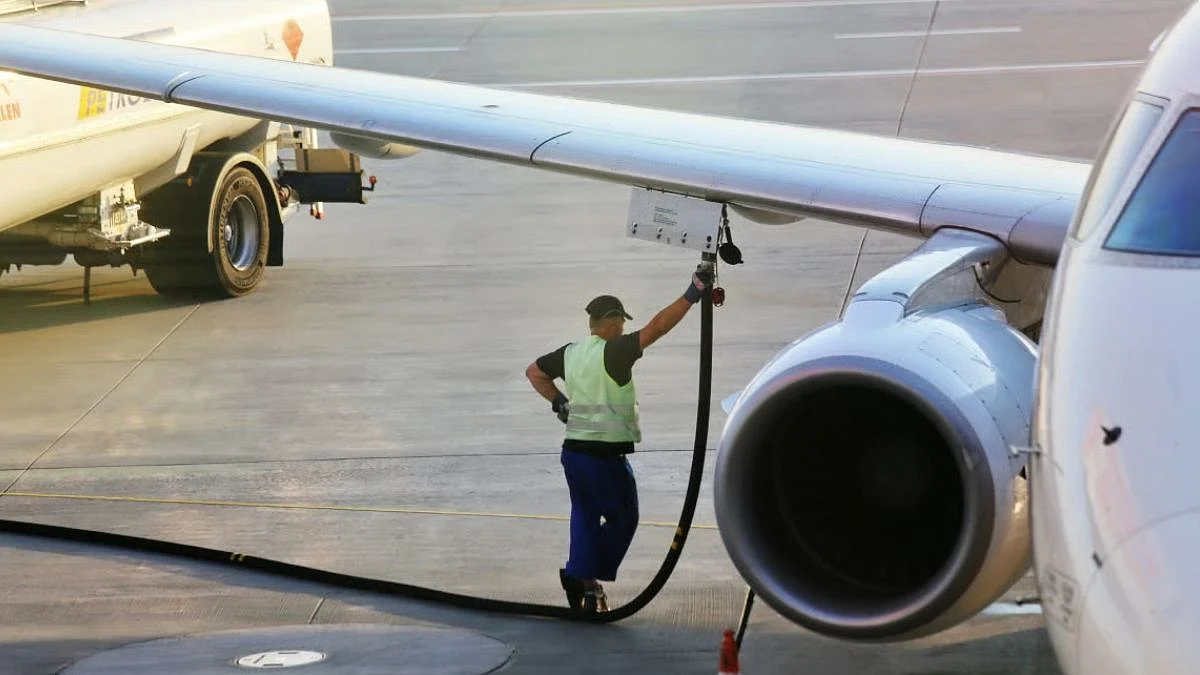
The Indian government's indifference to the soaring cost of domestic air travel has sparked concern among citizens, particularly as fares surge to unprecedented levels. Trunk routes have seen fare hikes of up to 700 percent, causing many to cancel travel plans just before the festival season. A Delhi-Kolkata ticket, usually around Rs 10,000-11,000, has skyrocketed to Rs 78,694.
Critics argue this excessive price hike cannot be attributed solely to market forces, as it raises concerns about consumer protection, competition, and the government's duty to safeguard passengers' interests.
A recent public interest litigation filed before the Supreme Court seeks to impose a cap on domestic airfares during the Diwali festive season, arguing that air travel is an essential service and that such fare hikes violate Article 14, which guarantees equality. However, the court declined to grant an urgent hearing and deferred the substantive issue of airfare regulation to a later date on November 16.
The government's new airfare rules, under the Bharatiya Vayuyan Niyam, 2026, maintain the principle of allowing market forces to determine ticket prices, only intervening in extraordinary situations such as natural disasters or unforeseen crises. With the Indian aviation sector dominated by just two airlines—IndiGo and Air India, the lack of competition leaves passengers with limited bargaining power.
The government's argument that market dynamics are beneficial for the industry, while eyes are on the limited options available, suggests that if air travel becomes financially unfeasible for many, the prudent course of action might be to refrain from flying altogether. In a welfare state, such a disregard for the welfare of the citizens could have disastrous consequences.
Written by urgent.news from Free Press Journal's reporting — not their text. Machine-written — may contain errors; check the original before relying on it.