Supreme Court Rules 24-Hour Arrest Deadline Begins From Detention, Not Formal Arrest; Issues Guidelines Under Article 22(2)
New Delhi: The Supreme Court on Thursday ruled that the 24-hour constitutional deadline for producing an arrested person before a magistrate begins from the moment he is detained, and not from the time the police formally makes the arrest. Also Watch: Holding that there can be no artificial distinction between 'arrest' and 'detention' for the purpose of Article 22(2) of the Constitution, a bench…
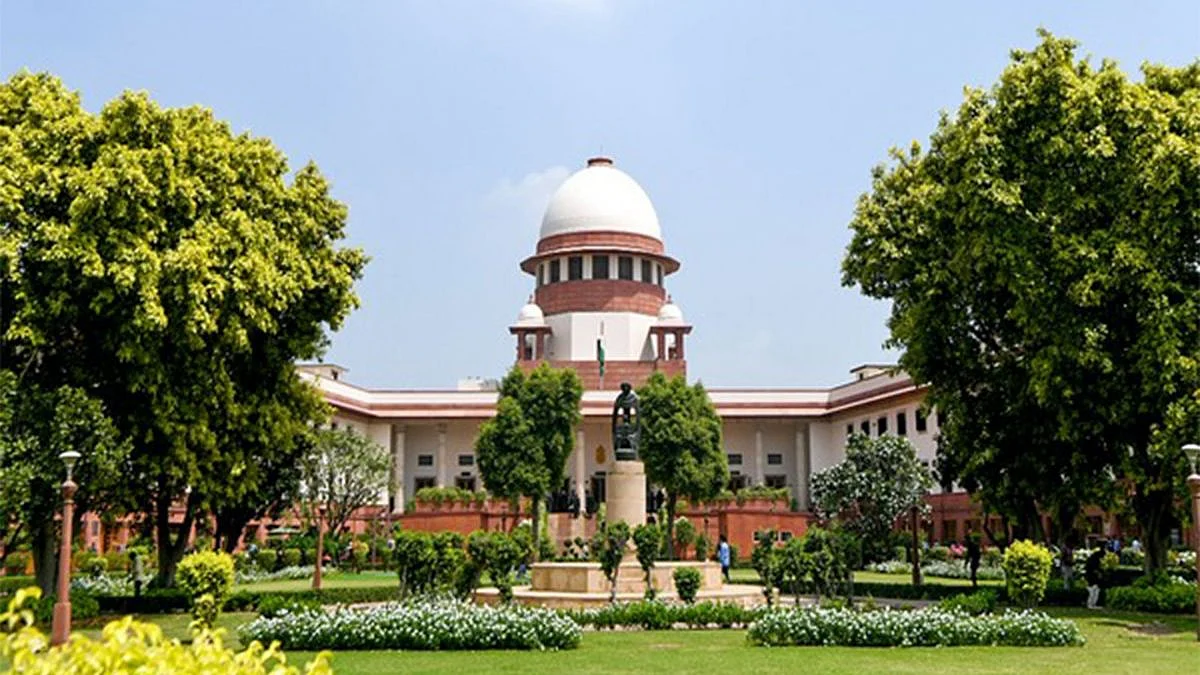
The Supreme Court has ruled that the 24-hour constitutional deadline for producing an arrested individual before a magistrate commences at the moment of detention, not the time of formal arrest. The bench of Justices Ujjal Bhuyan and Atul S Chandurkar emphasized that interpreting the 24-hour deadline to exclude the period between arrest and formal arrest would contradict constitutional provisions.
The court also clarified that only the time reasonably required for transportation from the arrest location to the magistrate's court can be excluded while calculating the deadline. Article 22(2) mandates that any arrested person must be presented before the nearest magistrate within 24 hours, with the time spent on inquiry, investigation, search, or seizure before formal arrest excluded.
The high court rejected similar arguments from previous cases that had allowed the pre-arrest detention period to be excluded. The court reiterated that detention beyond the permissible 24-hour limit, without presenting the arrested individual before a magistrate, necessitates immediate release. Magistrates must meticulously record the actual time of detention and independently verify adherence to the constitutional deadline, declining remand if the detention period is deemed excessive.
Written by urgent.news from Free Press Journal's reporting — not their text. Machine-written — may contain errors; check the original before relying on it.