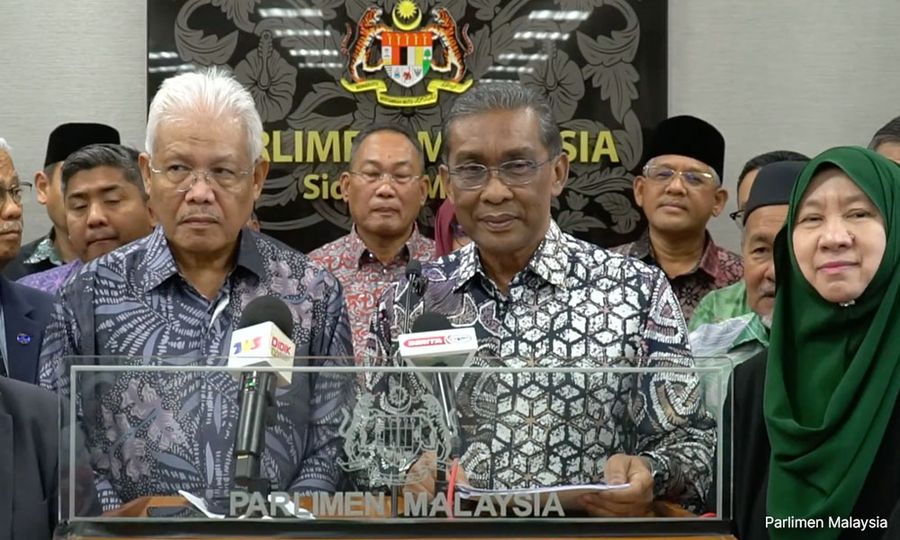
Supreme Court asks Allahabad HC to give Azam Khan priority hearing
The Supreme Court has asked the High Court to hear the case on November 16; Azam Khan alleges “series of politically motivated cases”
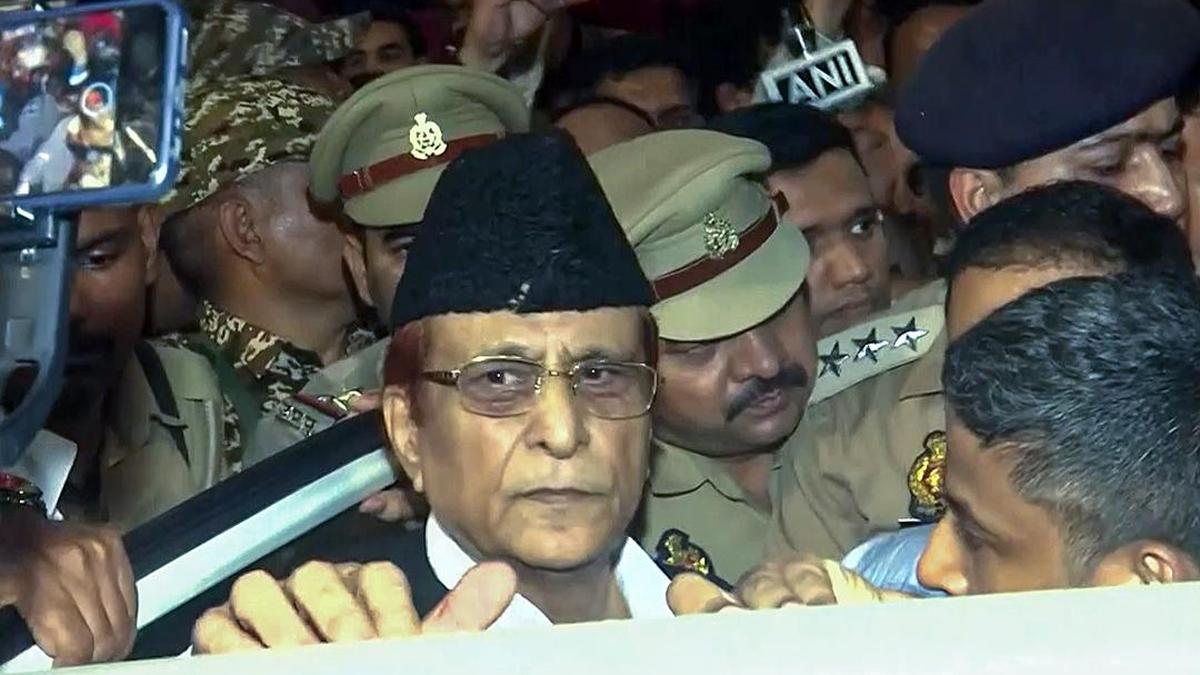
On Thursday, the Supreme Court ruled that law enforcement cannot skirt constitutional safeguards against prolonged detention by keeping individuals in custody without a formal arrest. The court held that the mandatory 24-hour period for presenting an individual before a magistrate begins the moment a person's liberty is curtailed, regardless of when an arrest is officially recorded.
Rejection of efforts by some high courts to draw a line between detention and arrest, the court emphasized that there cannot be an artificial "buffer period" during which liberty can be infringed upon without triggering constitutional protections under Article 22(2) of the Constitution.
The court's decision is significant, especially in the context of custodial violence, which often occurs when individuals are detained without being formally shown as arrested. The bench, led by justices Ujjal Bhuyan and AS Chandurkar, rejected the notion that a brief period before formal arrest could be considered a permissible interruption of liberty. They emphasized that detention for search and seizure beyond 24 hours contravenes Article 21, which guarantees the right to life and personal liberty.
The judgment arose from appeals by four individuals arrested under the Narcotic Drugs and Psychotropic Substances (NDPS) Act, involving a substantial quantity of yaba tablets seized in Tripura. Initially detained on September 29, 2025, at 2 pm during search and seizure operations, they were formally arrested only 11 am the following day.
The court held that they should have been presented before a magistrate within 24 hours of their detention at 2 pm on September 29. Their continued detention without judicial oversight for approximately 18 hours violated Article 22(2), leading to their immediate release.
The ruling clarifies the constitutional obligation, stating that the 24-hour deadline starts from the moment a person’s liberty is curtailed, not when an arrest is formally recorded. This decision overturns previous interpretations by several high courts, including those in Orissa, Kerala, and Madras, which had attempted to create a distinction between detention and arrest, thereby allowing for a "temporary disruption" in liberty that would exempt individuals from constitutional protections.
The court's decision underscores the importance of upholding the constitutional safeguard against custodial violence, which often takes place in scenarios where individuals are detained without being formally arrested. The bench directed that the 24-hour period would commence from the moment a person's liberty is curtailed, including instances of interception by law enforcement authorities.
Any detention without a warrant must be for a reasonable period, and the magistrate receiving the detained individual must record the exact date and time of the liberty curtailment and verify compliance with the 24-hour constitutional deadline. Failure to do so would result in immediate release.
Written by urgent.news from Hindustan Times's reporting — not their text. Machine-written — may contain errors; check the original before relying on it.
This story
This is one outlet's version. Read the fullest account.