SpaceX's plan to build more data center compute than Google's entire lifetime capacity in just 1.5 years is possible, say analysts
SpaceX's bold claim that it's capable of building 10 GW of compute in 2027 may be plausible — analysts dig through the breakneck speed of Colossus buildouts as evidence
In a recent development, Elon Musk has reportedly claimed that SpaceX could build 10 GW of data center capacity in 2027 alone. Analysts from Semiaccurate suggest that this is actually feasible, provided everything aligns correctly. This equates to SpaceX creating as much data center capacity in 1.5 years as Google has amassed throughout its entire existence.
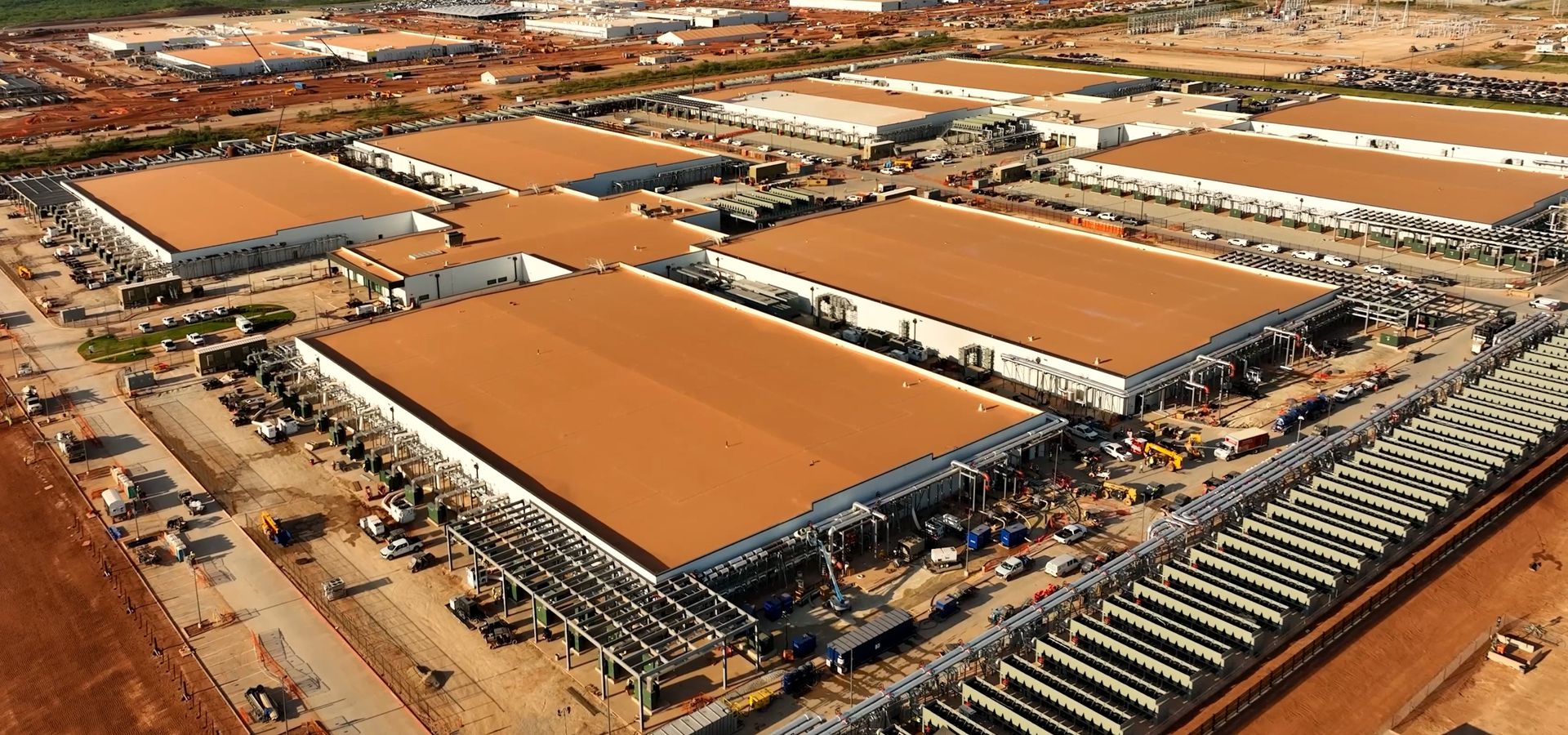
Consequently, SpaceX would become the fastest-growing hyperscaler in the world, surpassing all other competitors. The analysts cite the swift progress of Colossus 1 and Colossus 2 projects, which, as observed from aerial imagery, have progressed significantly. Colossus 2's power generation capacity has increased from 0.4 GW at the beginning of the year to an estimated 2.4 GW by year-end.
This includes 89 turbines generating approximately 2.5 GW and 1377 Tesla battery Megapacks. Despite regulations restricting the turbines to 1.24 GW, the remaining 300 MW will be supplemented by batteries, which will also absorb variable compute loads and external power sources. SpaceX has a state agreement allowing it to operate the additional turbines temporarily, with a planned shutdown by July 2027.
Presently, Elon Musk reports that Colossus 2 houses 550,000 GPUs, presumably in the Macrohard and Macroharder facilities. The company seems to be progressing rapidly, as new facilities appear almost overnight. The analysts note that SpaceX appears to be launching projects before determining their power sources, and the power supplies follow suit.
The scarcity of GPUs and RAM in the market only emphasizes the significance of having sufficient power for data centers. If SpaceX continues to receive steady deliveries of gas turbines, it would be a remarkable feat. The analysts believe Tesla may be producing and shipping hardware in modules, ready for installation directly from factories or even via trucks.
This mobile power generation approach may help SpaceX avoid regulations. In the fiercely competitive hyperscaler landscape, speed is crucial, especially given the high demand for compute capacity and the acute shortage of resources. While the progress of these data center builds is impressive, actual functionality and performance remain uncertain due to various factors, including legal issues, grid connections, power generation constraints, water supply, and public opposition.
Musk has cautioned that even with chips in inventory, they remain unusable without proper integration into server racks. There is no guarantee that SpaceX will achieve its ambitious 10 GW target in a single year. However, based on the progress observed in Colossus 2, the company appears to be moving faster than any other player in the market. If the trends continue, SpaceX may outpace its competitors in building data centers.
Written by urgent.news from Tom's Hardware's reporting — not their text. Machine-written — may contain errors; check the original before relying on it.