Research could reverse peanut allergy diagnosis for some infants
A study by the Murdoch Children's Research Institute has found more than one third of infants diagnosed with a peanut allergy may actually be able to tolerate the food.
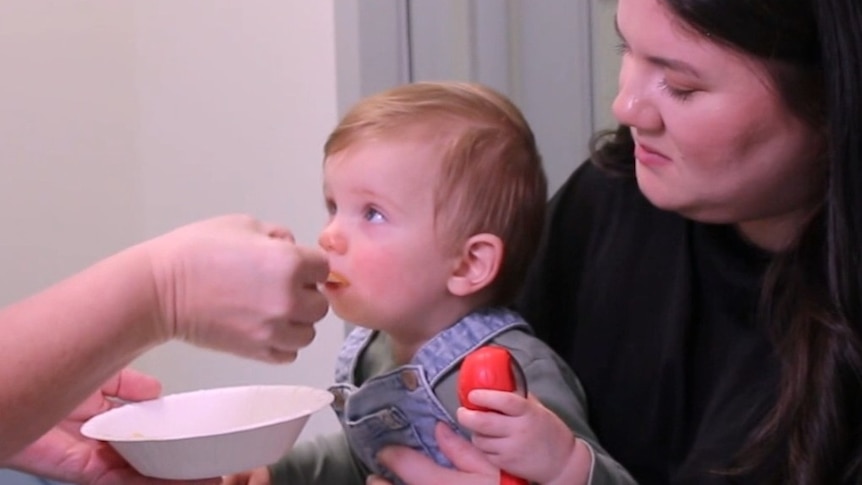
A groundbreaking study by the Murdoch Children's Research Institute and the National Allergy Centre of Excellence has revealed that over a third of infants previously diagnosed with peanut allergies may be able to safely consume peanuts. The research, conducted across 10 paediatric hospitals in Australia, found that 35% of infants with a prior reaction to peanuts and a positive allergy test did not react during an oral food challenge.
This could potentially change the way peanut allergies are diagnosed, with researchers emphasizing the importance of supervised oral food challenges to confirm a diagnosis before initiating oral immunotherapy. Professor Kirsten Perrett, NACE Director, expressed surprise at the high number of infants who did not react to peanut during the challenge, suggesting that clinical history and allergy testing alone are insufficient for accurate diagnosis.
Melbourne School of Public Health biostatistics professor Lyle Gurrin agreed, stating that many parents may have been wrongly diagnosed as allergic. The study involved 1,275 infants under 18 months old, and the findings emerged from the ADAPT Peanut Oral Immunotherapy Program, which requires infants to undergo a food challenge before starting treatment.
One Melbourne couple, Leah and Jake, shared their experience with their infant son Arthur, who was diagnosed with a peanut allergy but later tolerated the oral food challenge and had his allergy removed. Professor Perrett hopes the research will improve the accuracy of food allergy identification for parents, reducing the burden of food allergy for children and their families.
However, Professor Gurrin cautioned that oral food challenges still require appropriate conditions, typically conducted in specialized healthcare settings. NACE is planning to expand the ADAPT program to cover cashew allergy, a condition nearly as common as peanut allergy. Parents are advised to avoid conducting oral food challenges at home due to potential risks, with 12% of infants with peanut allergy experiencing life-threatening anaphylactic reactions.
Written by urgent.news from ABC News AU's reporting — not their text. Machine-written — may contain errors; check the original before relying on it.