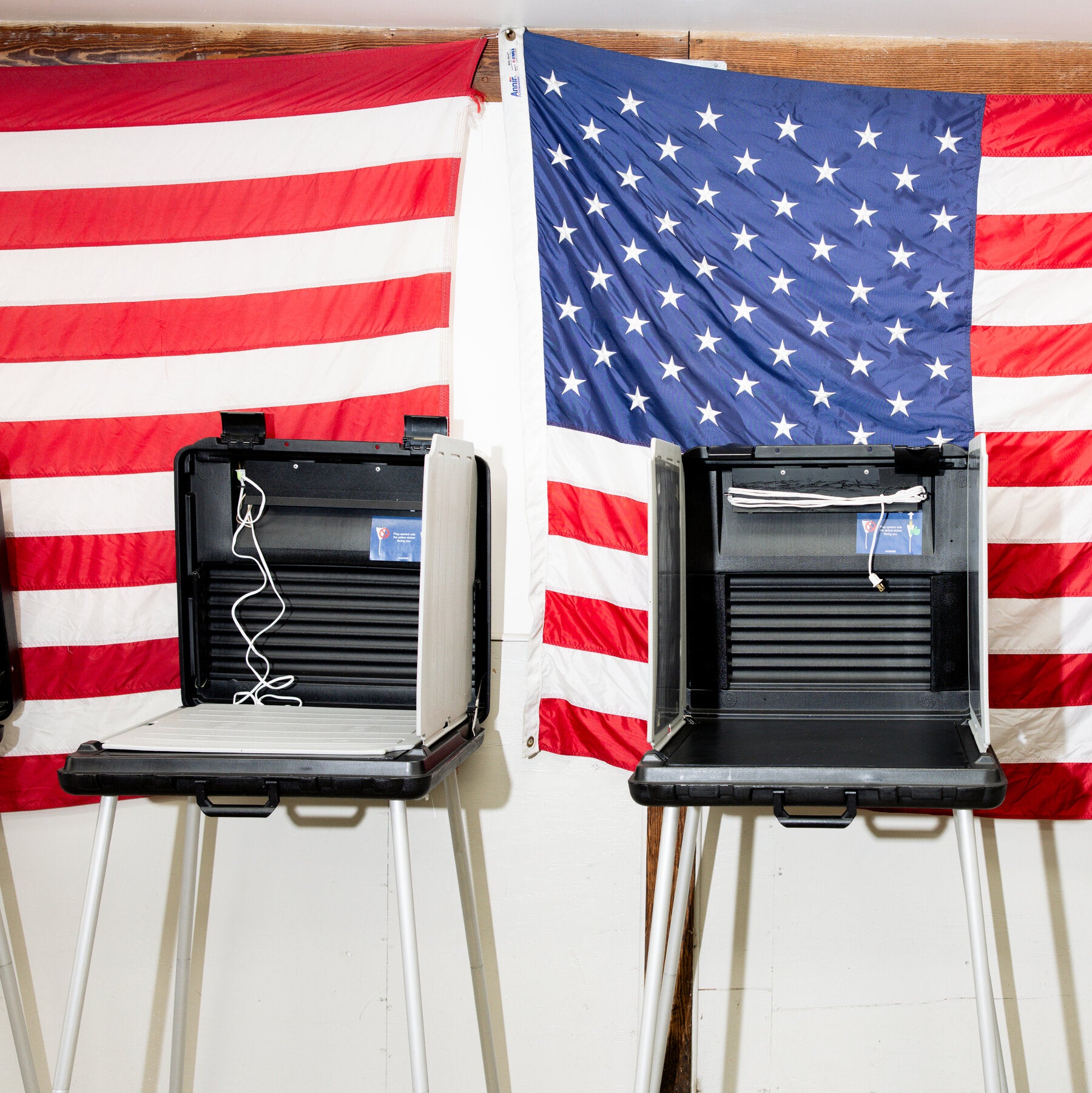
“Regime Change Came in Texas Before Tehran”
Donald Trump’s war of choice with Iran—a strategic debacle that has hurt ordinary Americans—is at the heart of a historic rebuke to his Presidency and his party.
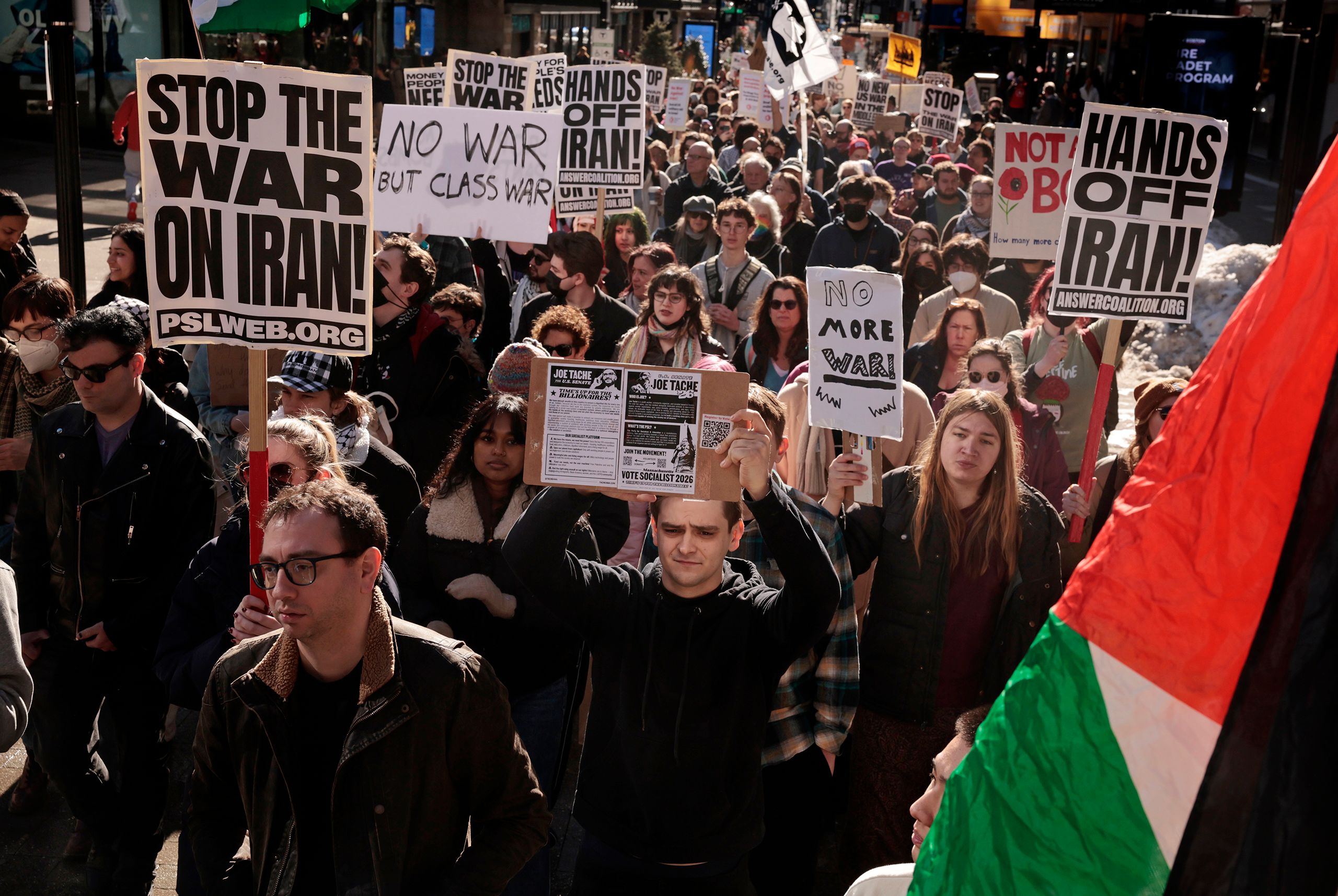
The military mission to remove the Iranian regime, which both former President Donald Trump and Senator Graham supported earlier in the year, ultimately contributed to the Republican party's downfall. Vice-President J. D. Vance criticized the war as the reason for their loss, citing a poll that showed 63% of American voters disagreed with Trump's decision to enter the conflict.
Trump had been engaged in conflict with the Islamic Republic for much of the past year, conducting airstrikes and imposing economic and political pressure. However, his decision to launch a war of choice, which failed to topple the regime as initially promised, led to a series of global crises, including rising gas prices and financial burdens for Americans.
The war also divided Trump's MAGA base and may flare up again in the future. Iranian Speaker of Parliament Mohammad Bagher Ghalibaf attributed the popular rejection of the war to "conscience or the cost of living." Former Trump and Bush Administration official John Bolton blamed Trump's proximity to a group of yes-men for the operation's failure.
Trump, however, defended his decision, claiming it was for the long-term benefit of the country and the world. Before the midterm elections, the United States conducted limited strikes against Iranian targets in Qeshm Island, but diplomatic efforts between the U.S. and Iran remain unsuccessful. Trump insists Iran's military capabilities have been weakened, but the regime remains defiant, threatening further retaliation if the U.S. and Israel resume their offensive.
Gulf states were frustrated with the consequences of the war, which damaged their economies and undermined their security. They sought a diplomatic solution to the ongoing standoff. In June of the previous year, the U.S. and Israel had launched the Twelve-Day War, causing hundreds of civilian deaths and crippling Iran's nuclear program.
German Chancellor Friedrich Merz praised the military campaigns against Iran, but by February, he lamented that businesses and consumers in Europe had paid over 100 billion euros more due to the conflict, emphasizing that there was no military solution to the issue. Midterm elections reflected a shift in Americans' views on Israel, with candidates like Michigan's new senator-elect Abdul El-Sayed condemning Israel's war on Gaza and urging an end to its involvement in the Middle East imbroglio.
Democrats in Congress may restrict military aid to Israel, which Trump hinted at sunsetting by the end of the year.
Written by urgent.news from The New Yorker's reporting — not their text. Machine-written — may contain errors; check the original before relying on it.