Record surplus unlikely to alter US-Vietnam trade ties after midterms
The Donald Trump administration imposed a 12.5% tariff on Vietnamese goods in July over alleged failures to block forced-labour imports, partly replacing a 20% duty struck down by the Supreme Court.
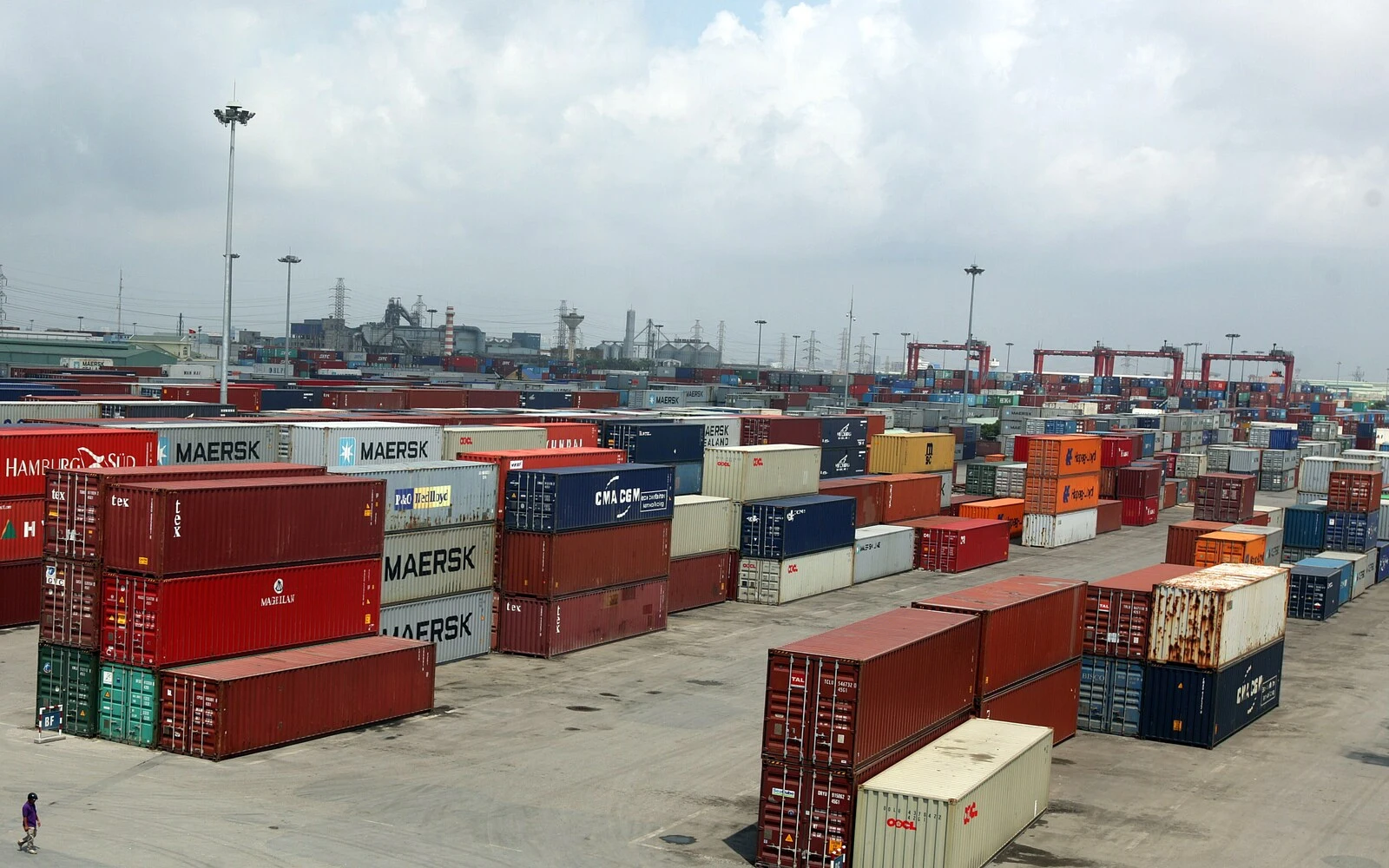
Despite the weakened political position of President Donald Trump following the midterm elections, experts predict that the US trade stance towards Vietnam will remain largely unchanged in the short term. The two nations are currently negotiating a trade deal, with Vietnam boasting the largest trade surplus with the US at nearly $190 billion in the first nine months of the year, surpassing China and Mexico.
The Trump administration imposed a general 12.5% tariff on Vietnamese goods in July, over allegations of forced labor violations, replacing a 20% duty that was struck down by the Supreme Court. Further investigations could lead to additional duties as early as this month. Vietnam has been accused of being a transshipment hub for Chinese exports to the US, an allegation the country denies.
Vietnamese businesses anticipate no immediate changes in US trade policy, according to Sun Hong, honorary chairman of the South Korean Chamber of Business in Vietnam. He stated that the core objectives of US trade policy, such as managing trade deficits and combating China's transshipment, will likely persist. However, Congress may place greater emphasis on labor and environmental standards.
Foreign trade policy is primarily determined by the president, not Congress, according to Bruno Jaspaert, head of DEEP C Industrial Zones. Vietnam has launched campaigns against illegal transshipment and enforced stricter rules to prevent the import of goods produced by forced labor. US-Vietnam trade negotiations have been ongoing for over a year, complicated by the growing trade deficit between the two nations.
Written by urgent.news from Free Malaysia Today's reporting — not their text. Machine-written — may contain errors; check the original before relying on it.