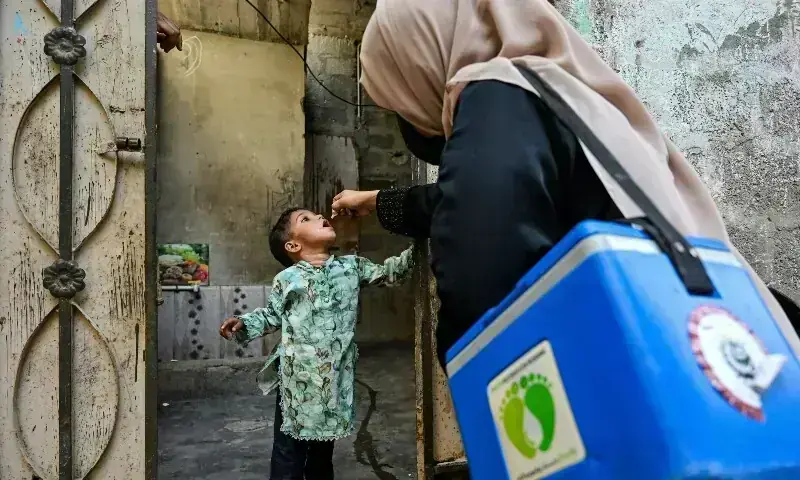
Progress against malaria: Kenya reports 34% decline in cases
Health CS Aden Duale credits stronger disease control efforts but urges action to close an 85 per cent funding gap. The post Progress against malaria: Kenya reports 34% decline in cases appeared first on KBC Digital .
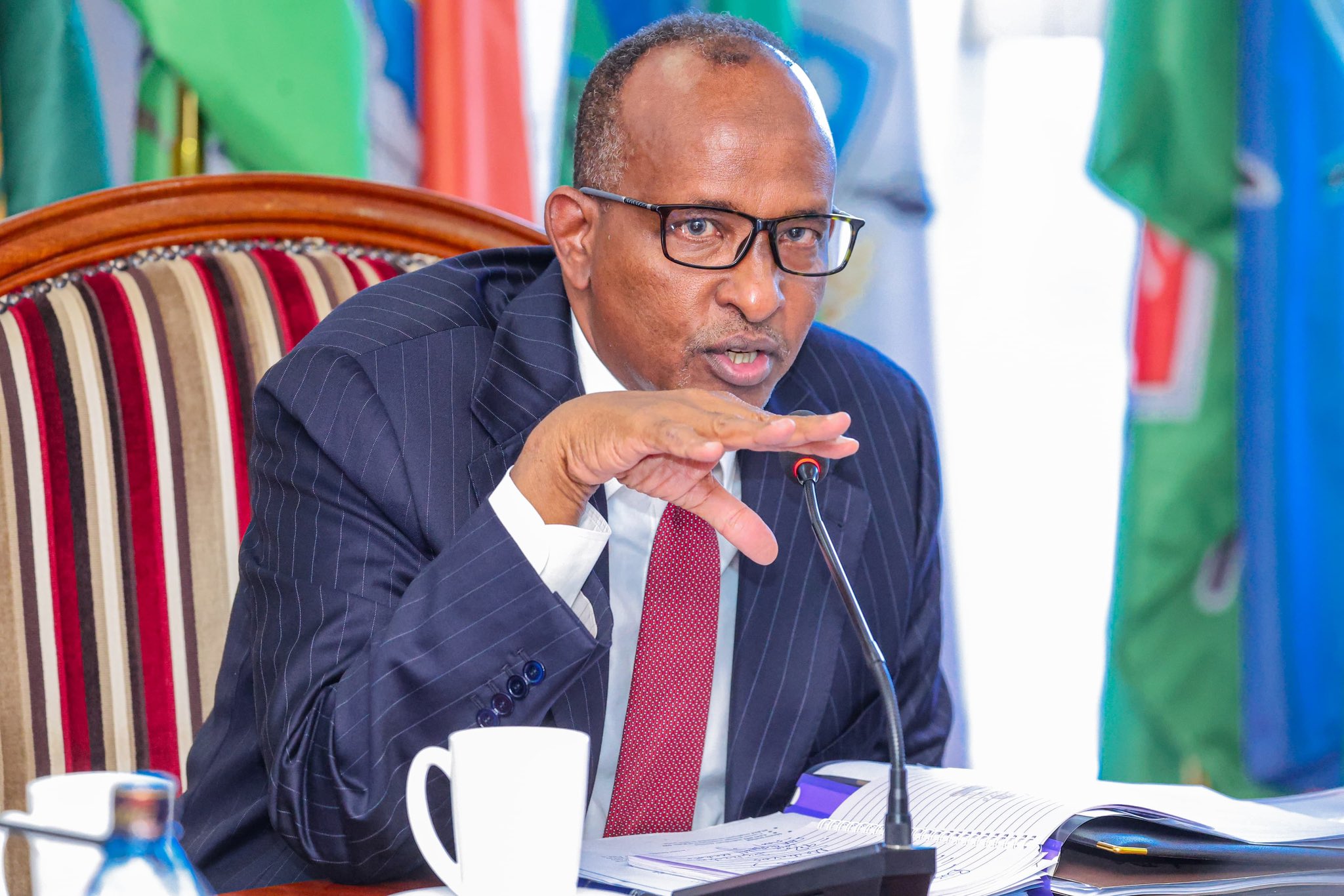
Health Cabinet Secretary Aden Duale announced a 34% reduction in confirmed malaria cases across Kenya, highlighting the nation's concentrated efforts to eradicate the disease. Duale attributed this progress to strategic government initiatives, including increased domestic investment, enhanced community health services, improved disease monitoring, and local production of vital health supplies.
The decline is evident in the data, with a substantial drop in confirmed malaria cases from 5.54 million in 2023 to 3.64 million in the year ending September 2026. Notably, child infections among those under five years old also decreased from 194 to 119 cases per 1,000, reflecting targeted protective measures for the most vulnerable.
Duale spoke on behalf of President William Ruto at the High-Level Dialogue on Malaria Elimination in Gaborone, Botswana. He cautioned that maintaining these gains necessitates secure and reliable funding, emphasizing Kenya's significant funding shortfall. Currently, Kenya requires KSh17.7 billion annually to execute its malaria strategy, yet only KSh2.66 billion is available this year, creating an 85% funding gap.
This shortfall comes as African governments face mounting pressure to bolster domestic health financing, with international development aid becoming less predictable.
To tackle this issue, Duale revealed that Kenya is incorporating malaria interventions into its Universal Health Coverage reforms, focusing on community health services, primary healthcare, and digital surveillance systems. The government is also addressing antimalarial drug resistance through the use of multiple first-line therapies and improved pharmacovigilance to ensure the safety and efficacy of malaria medications.
A major component of this strategy is enhancing Kenya's pharmaceutical and health products manufacturing capability, aiming to produce 50% of essential health commodities locally. This initiative has already led to local production of spatial repellents, showing a 33% reduction in malaria infections in trial settings, demonstrating the potential of African innovation in disease prevention.
Duale stressed the importance of regional cooperation in combating malaria, particularly in surveillance and coordinated responses to cross-border transmission. He highlighted Kenya's collaboration with Uganda on joint surveillance efforts and called for more coordination through the East African Community, acknowledging that malaria does not respect national borders.
He urged African nations to bolster partnerships and collective action to expedite progress toward malaria elimination, especially given the continent's substantial burden of the disease.
Written by urgent.news from KBC's reporting — not their text. Machine-written — may contain errors; check the original before relying on it.