Phaze raises $8.75M to give AI agents remote access to powerful workstations
If autonomous artificial intelligence agents are really going to become the future of the enterprise then they’re going to need to have a computer of their own so they can get on with their work without disturbing anyone else. The founders of the remote desktop firm Parsec Technologies Inc. have come up with a new […] The post Phaze raises $8.75M to give AI agents remote access to powerful…
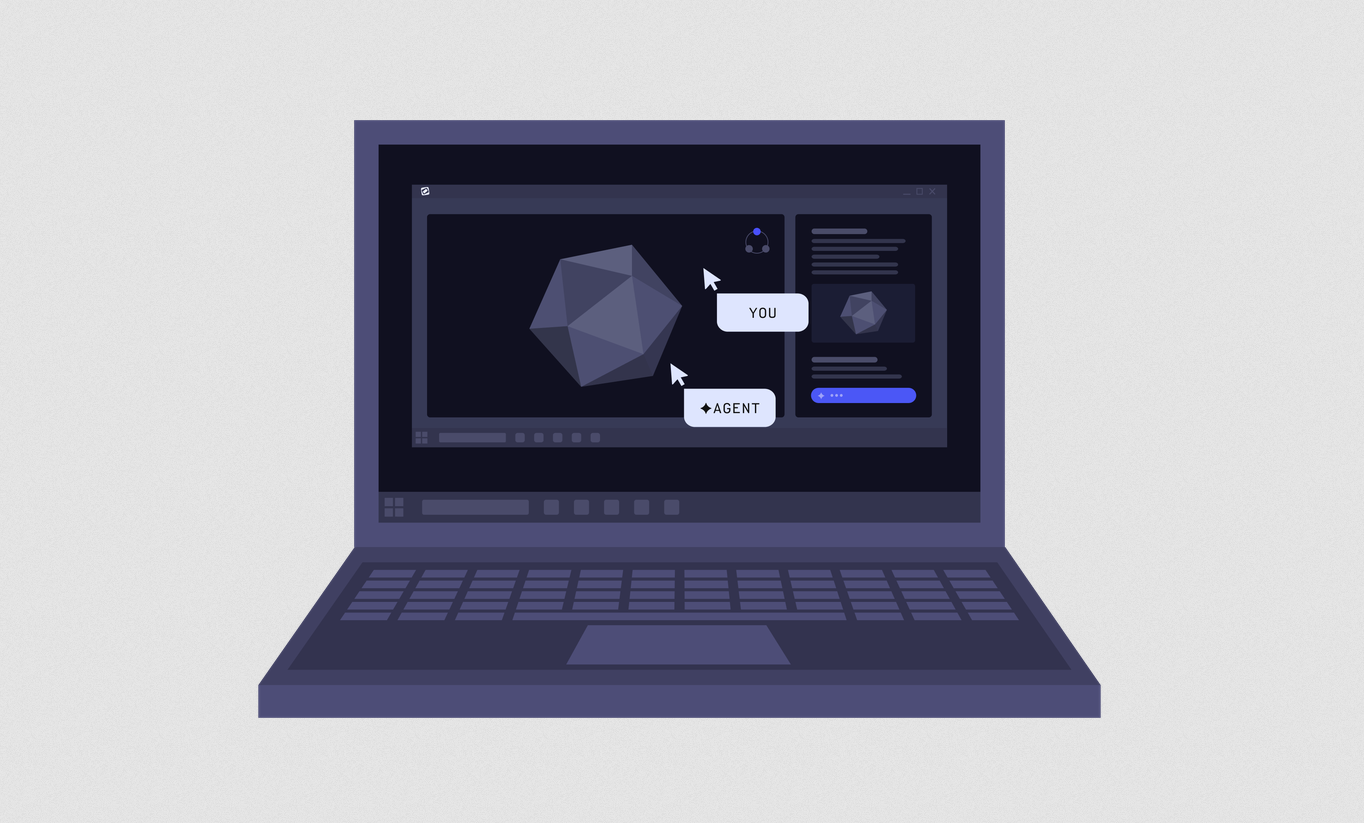
Phaze Inc., a startup founded by Parsec Technologies, has secured $8.75 million in seed funding to provide AI agents with remote access to high-performance workstations. The platform, backed by Andreessen Horowitz, Index, NextView, Makers, and Lerer Hippeau, aims to solve two major issues in enterprises: computer-use agents hogging screens while automating tasks and the high cost of idle, powerful workstations.
Phaze's high-performance remote desktop platform allows both humans and AI agents to access powerful computers, including expensive workstations, with low-latency responsiveness and visual fidelity as if they were accessing hardware locally. The startup's Model Context Protocol server enables computer use agents to log into and operate expensive workstations like human employees, transforming them into a shared pool of elastic compute.
By accessing workstations through Phaze's low-latency streaming technology, AI agents can navigate operating systems, launch applications, and complete tasks independently. Additionally, the platform supports human-to-agent collaboration, allowing AI agents to work alongside human engineers when needed.
Phaze co-founder and CEO Benjy Boxer emphasizes that the computer on a desk should not limit the compute accessible to its users. With the investment, Phaze plans to accelerate its go-to-market strategy, onboard new customers, expand its engineering team, and develop more features. Andreessen Horowitz General Partner Martin Casado predicts significant interest in Phaze's remote access platform due to the inefficiency of leaving expensive workstations idle.
Written by urgent.news from SiliconANGLE's reporting — not their text. Machine-written — may contain errors; check the original before relying on it.