PAC, Jabatan Audit digesa teliti sektor padi
Radzi Jidin (PN-Putrajaya) berkata penelitian menyeluruh itu penting bagi mengenal pasti keberkesanan perbelanjaan serta pihak yang benar-benar menerima manfaat subsidi.
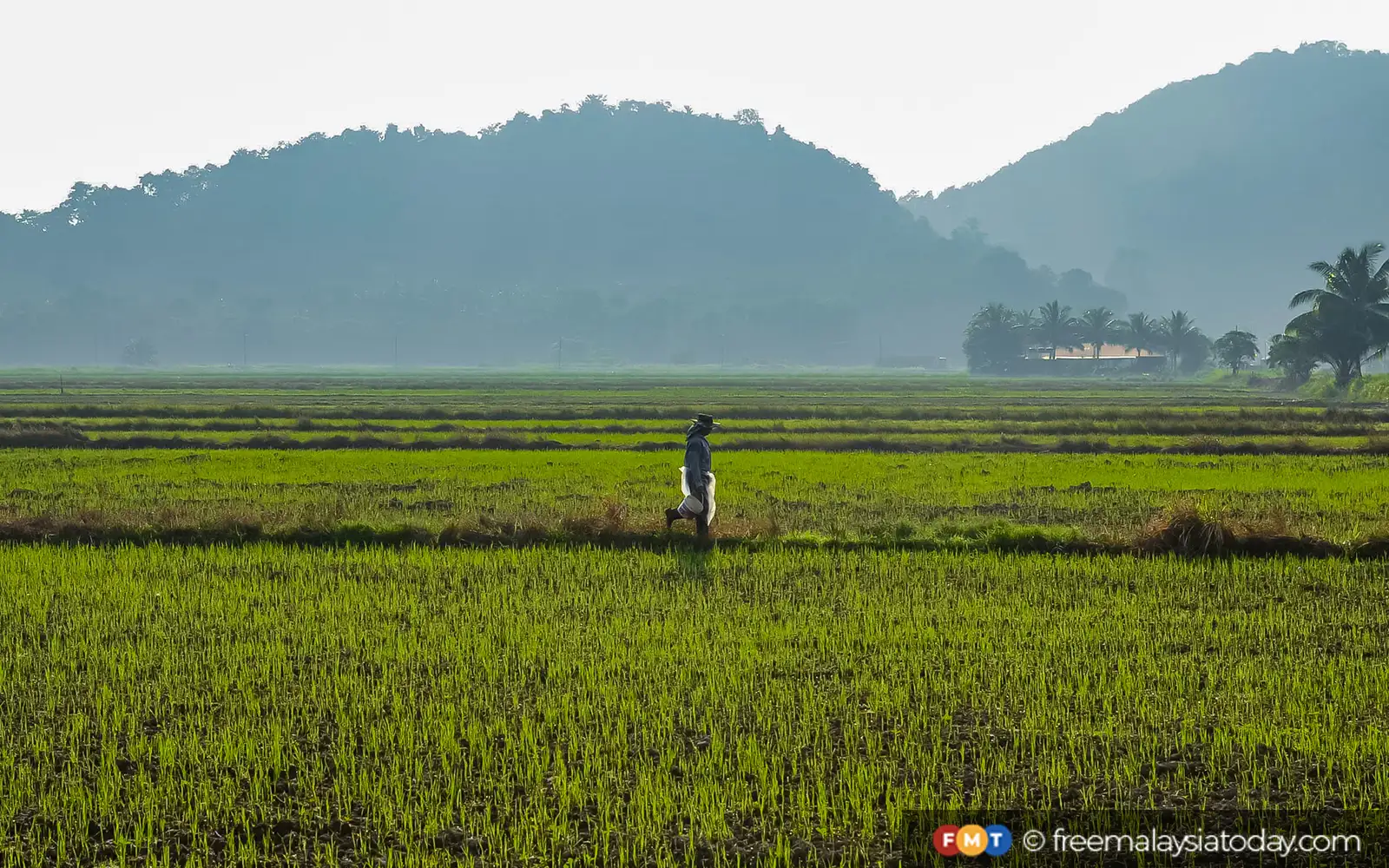
Malaysia's National Agriculture and Food Security Ministry (KPKM) revealed that the 2025 agricultural data shows the 2024 padi subsidy and wage incentive amounted to RM2.6 million, compared to padi output of RM3.1 million, accounting for 82.4% of output value. An opposition MP, Radzi Jidin, urged the National Budget Committee (PAC), the National Audit Department, and the Parliament Committee to investigate the sector due to the lack of improvement despite the government spending billions every year.
He emphasized the importance of a thorough investigation to determine the effectiveness of expenditure and the true beneficiaries of subsidies. The MP pointed out that the government has been spending billions annually on subsidies without observing any results, and for decades, the issue has persisted without any change. He stated that if the same approach continues, it will not benefit the people.
The 2025 agricultural data indicates that padi subsidy and wage incentive amounted to RM2.6 million, while padi output was RM3.1 million, representing 82.4% of output value. In 2024, subsidies and incentives totaled RM2.4 million, but padi output was only RM2.6 million, accounting for 92.5%. This suggests that the government's subsidy amount is almost equivalent to padi's output value, implying that the government is essentially providing subsidies to the entire padi output.
However, it remains unclear who actually receives these subsidies. Farmers are struggling, and input costs, such as seed prices, are increasing. Therefore, it is essential to know who benefits from these subsidies. Radzi also compared the 2023 subsidy expenditure of RM990 million to padi output of RM2.5 million, which was 39.1% in 2023, compared to RM960 million in 2022, which was 36.95% of padi output.
He highlighted that the total direct expenditure on subsidies amounts to RM1.029 billion, not including indirect expenditures that also benefit the sector. The government allocated RM2.601 billion to produce padi valued at RM3.155 billion for 2025 and allocated additional spending of over RM1 billion on direct expenditures elsewhere, but output remains unchanged.
Clearly, the long-standing approach is no longer effective in ensuring that every expenditure strengthens national food security and benefits farmers, rather than benefiting vested interests controlling the industry.
Written by urgent.news from Free Malaysia Today's reporting — not their text. Machine-written — may contain errors; check the original before relying on it.