On Falling In and Out of Love With Dead Artists as an Art Historian
A few years ago, a student at the university where I’ve been teaching for the last decade asked me about my working process as an art historian. Without thinking too much about it, I said that I find the tools
As an art historian who has taught at the same university for the past ten years, I often share my working process with my students. One day, a student asked me about how I approach studying great artists of the past. I explained that I use the method actor's tools to develop an intense understanding of these individuals, making them feel like real people I'm interacting with daily. Little did I realize that this way of thinking would resonate deeply within me.
During my graduate studies and early career, I honed my expertise in masculinity studies to write a book about how Russian paintings of the nineteenth century revealed hidden anxieties and evolving identities among men of that era. One artist who particularly captivated me was Karl Briullov. His tumultuous relationship with his father, his temper when dissatisfied with his work, and his self-portraits all made him a fascinating and real companion.
It felt as though I were dating him, despite the fact that he was flawed and misogynistic. The moment I completed the chapter on Briullov, a sense of melancholy set in, as if I'd lost a lover. This wasn't a typical feeling for an art historian, but it haunted me throughout my subsequent projects.
When I embarked on writing a book about some of the most misogynistic artists in modern art, I had to immerse myself in their lives as thoroughly as possible. I studied their daily routines, their friendships, their dietary habits, and every detail that could help me paint a vivid picture of their personalities. This process surprised and devastated me.
While studying the captivating Briullov, I felt as though I were in a relationship with him, even though he was flawed. However, as I delved into the lives of the monstrous artists whose works I later portrayed, I found myself both terrified and compassionately captivated by their stories.
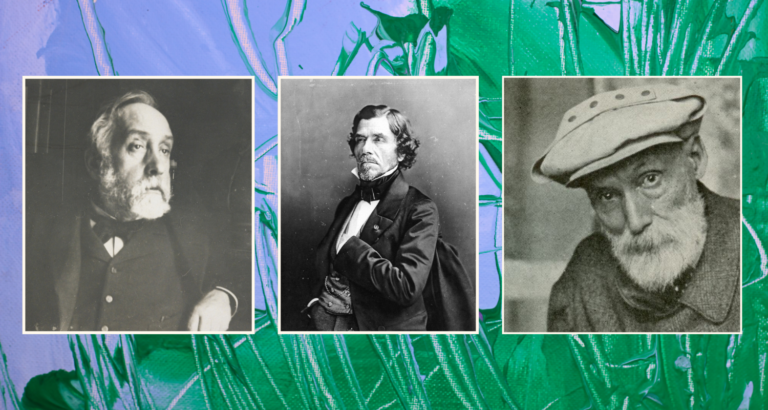
Men like Eugène Delacroix, who painted women being stabbed to death, and Auguste Renoir, who believed women never evolved beyond childhood, filled me with fear. Yet, I still harbored a strange compassion for them, particularly for Delacroix. His journal entries and letters revealed his insecurities about his height and inability to afford fashionable clothing, breaking my heart.
Despite this, he wrote about women in degrading ways, calling them "monkeys," "toys," and "monsters." This pattern of love and disdain for broken people mirrored my own experiences in relationships, where I'd deeply love someone only to be tormented by their controlling and argumentative behavior.
Even Edgar Degas, renowned for his depictions of ballerinas, abused his models by forcing them to endure grueling poses and threaten them with a hammer if they couldn't meet his expectations. Despite being lonely, Degas couldn't see a way out of his self-imposed prison. My feelings for Degas were a peculiar kind of love born from fascination and a desire to help redeem these broken individuals, even as I recognized the patterns of my own past relationships.
In all, this journey as an art historian left me grappling with complex emotions and a deep understanding of the human condition.
Written by urgent.news from Literary Hub's reporting — not their text. Machine-written — may contain errors; check the original before relying on it.