Oil could fall to $80-$85 after war, while Kevin Warsh believes in pixies, UBS economist says
It has been a dramatic start to the week. Oil fell by more than 7 per cent on Monday after the presidents of the US and Iran signalled they were open to a diplomatic solution, and on Tuesday the Democrats won control of both the House of Representatives and the Senate in the US midterm elections. We sat down with Paul Donovan, chief economist at UBS Global Wealth Management, in Abu Dhabi on the…
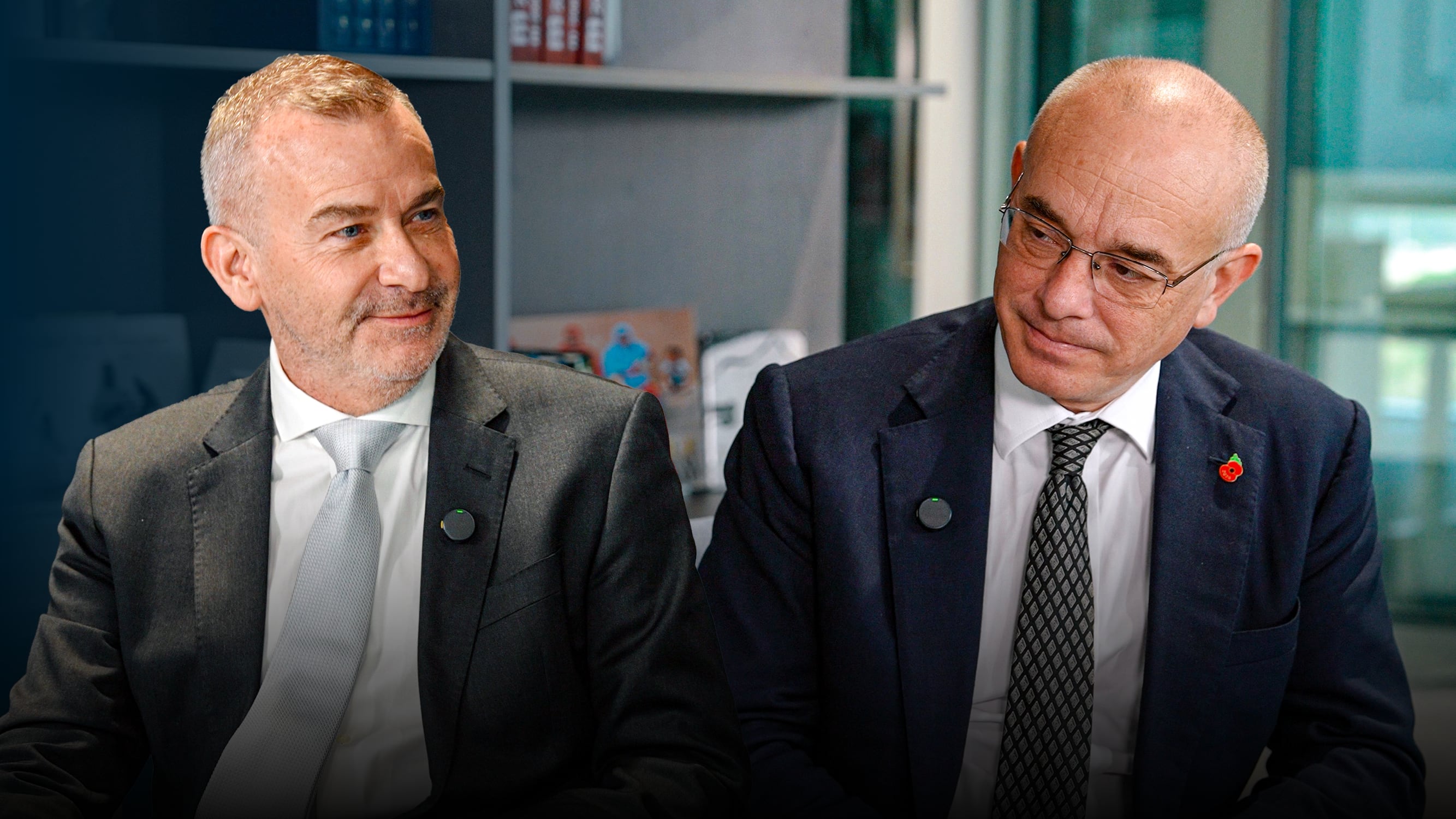
A disruptive week unfolded in the world of oil and finance. On Monday, oil prices plummeted by over 7% following statements from US and Iranian leaders indicating a willingness to explore diplomatic solutions. On Tuesday, Democrats secured control of both the House of Representatives and Senate in the US midterm elections. UBS chief economist Paul Donovan shared his thoughts on the oil market's future.
Donovan expects oil prices to continue falling towards a "fundamental fair value" of $80-$85 per barrel once the conflict concludes. He maintains that despite the geopolitical risks, supply and demand fundamentals remain unchanged. However, the bigger concern lies with the Federal Reserve, primarily due to the Senate confirmation process.
A Democratic-controlled Senate might reject Trump's nominees for the Fed, potentially resulting in fewer rate hikes. The Federal Reserve governors are expected to have a more hawkish stance compared to their regional counterparts.
Donovan remains cautious about future inflation, attributing it to a series of temporary inflation shocks such as pandemic-induced supply chain disruptions, Russia's invasion of Ukraine, and regional tensions. He also highlights the impact of tariffs and the fact that wage price spirals have not materialized anywhere in the developed world, including the United States.
On a contrasting note, Donovan criticizes the new Federal Reserve chairman, Kevin Warsh, for his lack of clear communication. Donovan dismisses Warsh's optimism about productivity growth, stating that he does not believe in the "productivity pixie," an idea that assumes future growth will magically solve current economic issues.
Written by urgent.news from The National UAE's reporting — not their text. Machine-written — may contain errors; check the original before relying on it.