Nvidia's new AI laptop runs nearly 80% slower on Linux — but only when it's plugged in
An Nvidia RTX Spark laptop lost nearly 80% of its AI performance running Linux while plugged in. Here's what testing revealed and the workaround.
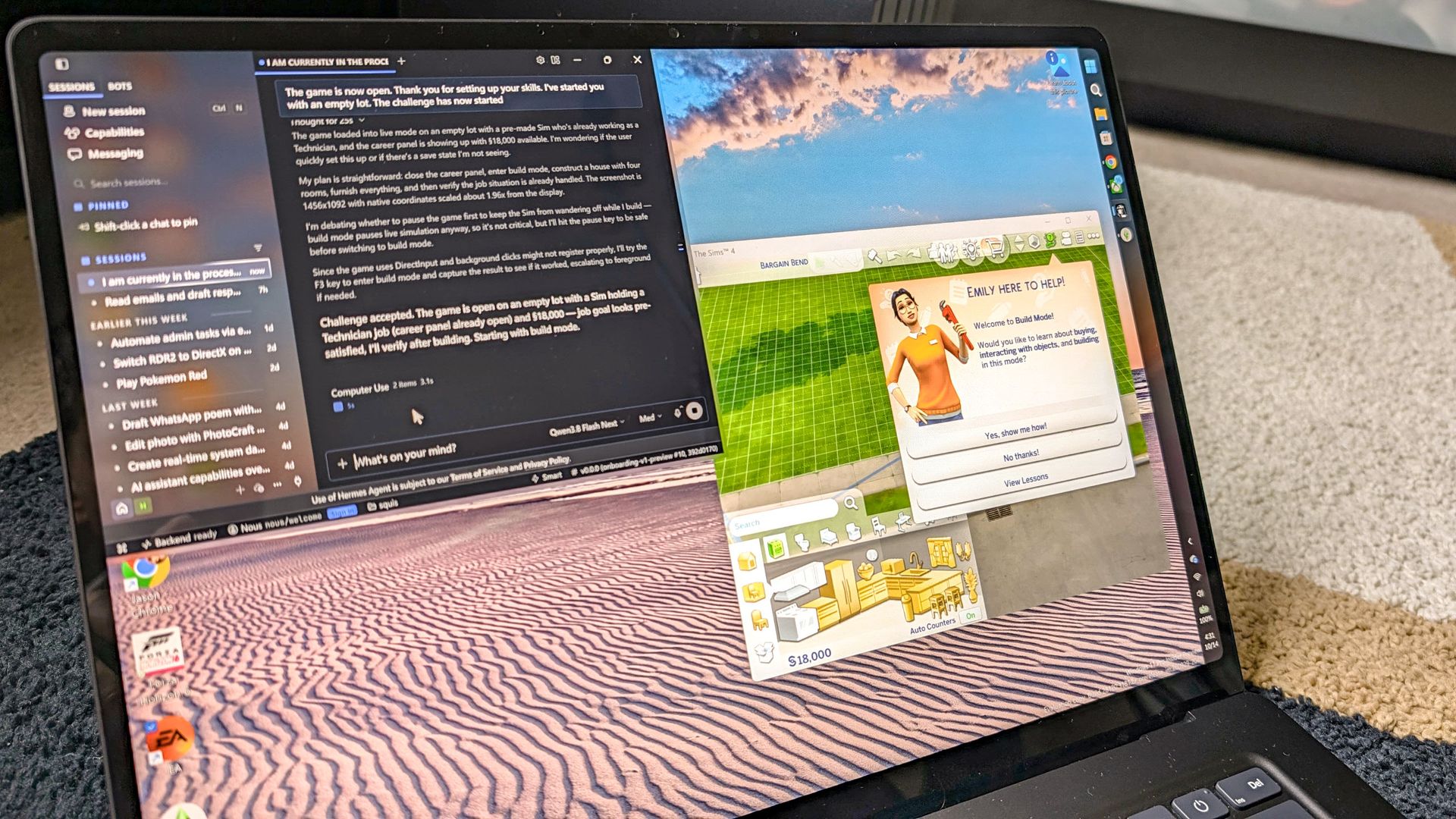
When plugged in, an Nvidia-powered laptop with an AI-capable MSI Prestige N16 Flip AI+ performed considerably worse when running Linux compared to Windows, according to testing by MindStudio. On Windows, the laptop generated 65.4 tokens per second while processing OpenAI's GPT-OSS-120B model. However, under Linux, that figure plummeted to 13.9 tokens per second, a 79% reduction in AI performance.
Unplugging the laptop restored much of the lost performance, with Linux producing roughly 61-67 tokens per second. The discrepancy in performance could be attributed to the GPU running at lower clock speeds under Linux – 2.2 GHz on Windows versus 780 MHz while plugged in. An Nvidia component called Platform Controllers and Framework, responsible for power distribution between the CPU and GPU, is not fully supported by Linux.
This omission leaves the GPU unable to operate at its intended speed when powered by Linux. The team determined that disabling this controller in Windows caused performance to decline, matching the results observed under Linux. Restoring the controller brought performance back to near Windows levels. MindStudio also discovered that Windows Subsystem for Linux (WSL) yielded nearly identical performance to running Windows directly, as it leverages the Windows driver system and power-management components necessary for the GPU to function at its maximum capacity.
Written by urgent.news from Tom's Guide's reporting — not their text. Machine-written — may contain errors; check the original before relying on it.
This story
This is one outlet's version. Read the fullest account.