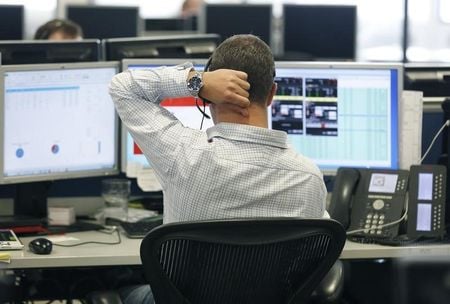
Nikkei, Yen, Hang Seng: Börsen in Asien nach US-Zwischenwahlen uneinheitlich - Technologiewerte brechen ein
Anleger fürchten, dass der Wahlsieg der Demokraten den Ausbau von KI-Rechenzentren bremsen könnte. Während Chipaktien unter Druck sind, profitieren Branchen in Japan von sinkenden Ölpreisen.
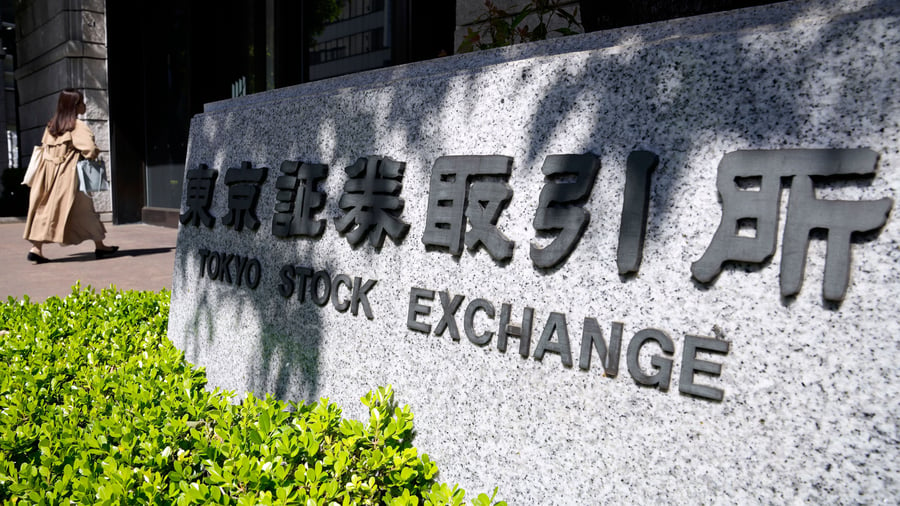
Technological stocks in Asian markets reacted negatively following the Democratic Party's victory in the US midterm elections, while oil prices declined. The Nikkei index in Japan fell by 0.8% to 61,687 points, while the broader Topix index rose by 1.5% to 3,955. The Shanghai Stock Exchange remained largely unchanged at 3,690 points. The CSI-300 index, which tracks China's 300 largest mainland companies, increased by 0.4% to 4,116 points. The South Korean Kospi index dropped by 4% to 5,460 points.
The Nikkei index was undermined by chip equipment companies such as Advantest and Tokyo Electron, which saw declines of 10.3% and 8.6%, respectively. Wataru Akiyama, an equity strategist at Nomura Securities, stated that capital previously invested in AI and semiconductors is now being redirected to other sectors. He noted that there is an increasing view that Democratic Party election victories may delay projects for data centers, potentially impacting the current profit growth rate.
Japanese investors shifted their positions into other industries, with 25 out of 33 sector groups on the Tokyo Stock Exchange experiencing gains. The real estate sector led the winners with a 6.5% increase, followed by retail with a 5.4% rise. Uniqlo retailer Fast Retailing's shares rose by 7.9%, while Toyota increased by 5.3%. Sony and Nintendo, which announced their results after the market closed, both gained 6.6% and 4.6%, respectively.
The decline in Asian markets was primarily driven by concerns over a slowing AI boom in the wake of the US midterm elections. At one point, trading was halted on the Shanghai Stock Exchange following a more than 5% drop in prices. Samsung Electronics' shares fell by 5.73%, while SK Hynix's shares dropped by 7.52%. In contrast, Hyundai and Kia auto shares rose by 3.70% and 4.38%, respectively.
Written by urgent.news from Handelsblatt's reporting — not their text. Machine-written — may contain errors; check the original before relying on it.
Also reported by 1 other outlet
- Nikkei, Yen, Hang Seng: Investors Shift - AI Stocks Plummet in Asia handelsblatt.com