Nigeria’s shifting rainfall wreaks havoc with a beloved edible green, the waterleaf plant
This is Part 1 in a two-part series on Nigerian waterleaf. Part 2 will be published soon. “These are the ones that survived the rain,” Enono Koka said, gesturing at a patch of short, spindly waterleaf plants across her large farm in downtown Calabar, in southern Nigeria’s Cross River. It was an unseasonably sunny morning […]
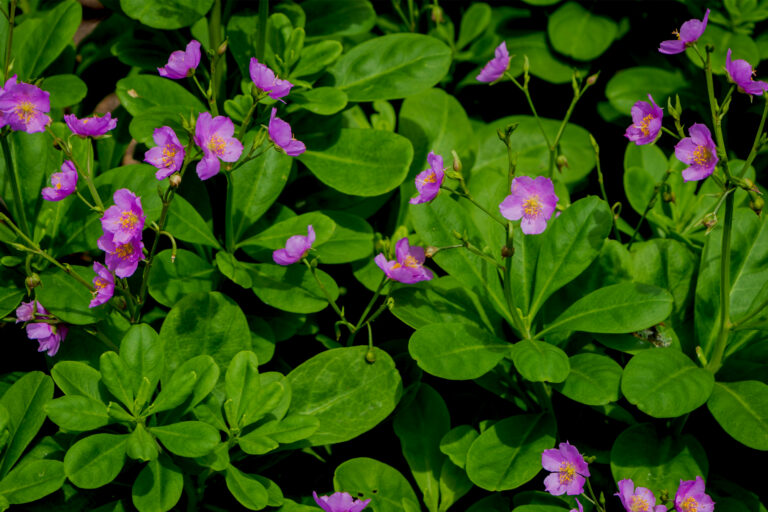
Waterleaf, a popular edible green in Nigeria, faces challenges due to erratic rainfall patterns, according to a two-part series. Enono Koka, a 33-year-old farmer in Calabar, struggled with an unseasonably rainy October, leaving only a few surviving plants for her family. Her nearby neighbor, Joy David Okon, a 60-year-old farmer, also faced difficulties after manuring her farmland in September.
By the time she returned to her farm, the waterleaf had turned into a marshland filled with weeds. These incidents illustrate the growing strain on Nigeria's waterleaf growing cycle, exacerbated by shifts in rainfall patterns. Although annual rainfall has decreased over the years, heavy rainfall in coastal areas like Lagos and Calabar has led to recurring issues.
Written by urgent.news from Mongabay's reporting — not their text. Machine-written — may contain errors; check the original before relying on it.