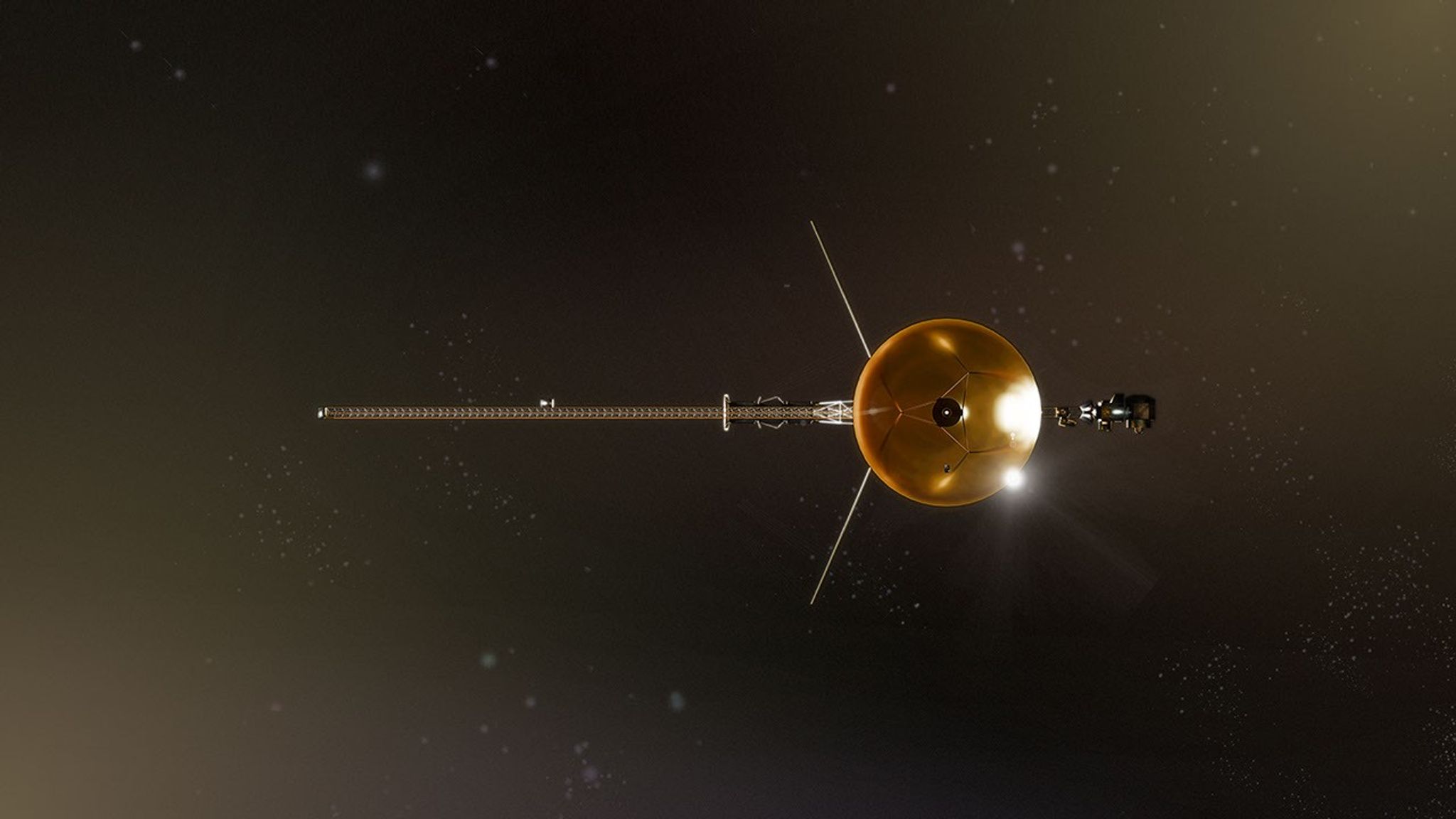
NASA space telescope plunges to Earth after 22yrs
NASA's Swift Observatory, a key space telescope, descended to Earth on Wednesday, concluding its 22-year exploration of the universe's most powerful explosions. The demise of the $280 million spacecraft occurred just three months after an unsuccessful rescue mission, NASA reported.
The U.S. Space Force confirmed Swift's reentry near Indonesia after monitoring its declining orbit, attributed to heightened solar activity over recent years. Initially, NASA enlisted a private firm to engineer an orbit-boosting endeavor, but Katalyst Space's three-armed robotic apparatus encountered difficulties following its July launch and crashed in September. The extent of the 1 ½-ton spacecraft that incinerated in the atmosphere remains unknown; NASA anticipates some denser fragments to survive.
Swift, launched in 2004, was initially intended for a two-year investigation of gamma-ray bursts and exploding stars. However, it surpassed expectations, observing thousands of these celestial events over a mission that endured 11 times longer than planned. The telescope's long-term service enabled it to function as a first responder for other telescopes, aiding them in deeper observations.
NASA is currently evaluating industry interest in mounting a rescue mission for Hubble Space Telescope, whose orbit is being eroded by solar storms. Launched in 1990, Hubble is projected to descend by the mid-2030s, according to recent analyses. The space agency is soliciting input from private entities regarding potential strategies to augment Hubble's orbit, upgrade its systems, or guide it to a controlled reentry - or all three. To execute any such mission, NASA requires action before 2032.
Unlike the swift response to Swift, NASA has more time to explore options for preserving Hubble. According to Nicky Fox, NASA's science mission chief, the space agency should explore every reasonable opportunity to keep Hubble contributing for as long as feasible. Hubble still has essential scientific pursuits ahead, emphasized NASA Administrator Jared Isaacman in a statement.
Written by urgent.news from The Economic Times's reporting — not their text. Machine-written — may contain errors; check the original before relying on it.