Naira slide may trigger loan defaults, squeeze businesses – Financial expert warns
A financial expert, Busari Akande, has warned that the naira's depreciation could increase loan defaults, weaken business operations and restrict access to credit in Nigeria. Akande, a Fellow of the Institute of Credit Administration, FICA, said the naira's continual decline at the Nigerian Autonomous Foreign Exchange Market, NAFEM, at the beginning of November could have […] Naira slide may…
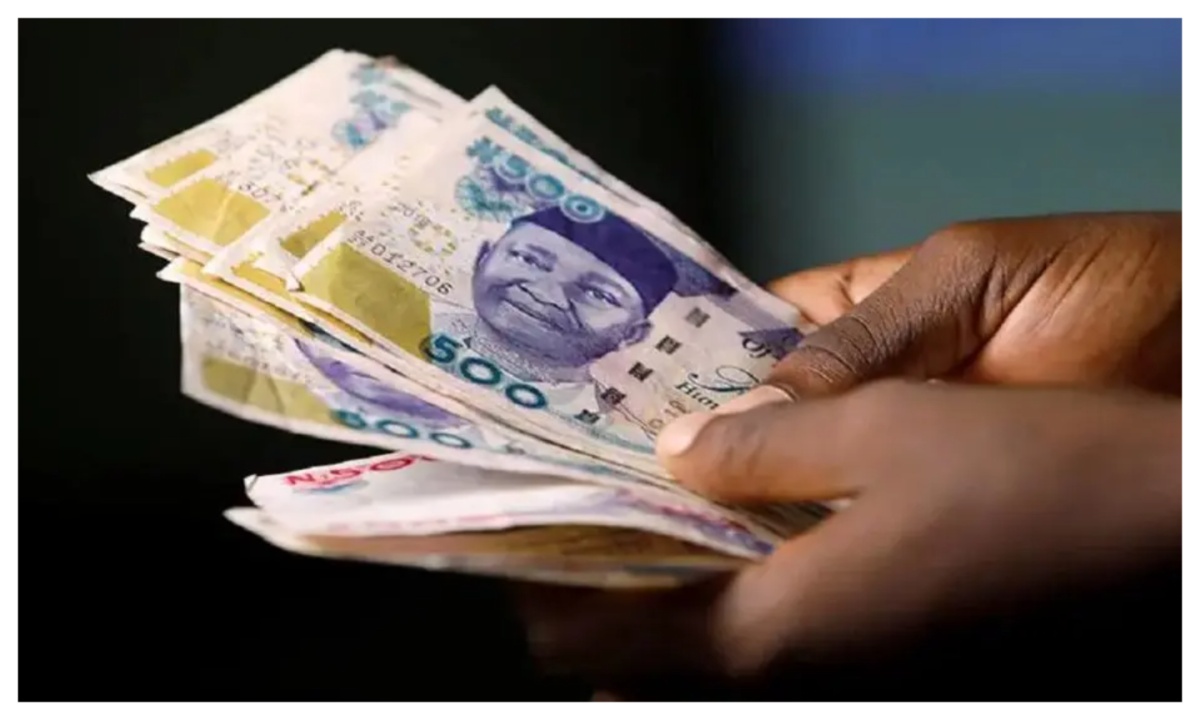
Financial expert Busari Akande has cautioned that the naira's depreciation may lead to loan defaults and hamper business operations in Nigeria. As the naira declined at the Nigerian Autonomous Foreign Exchange Market (NAFEM) in early November, Akande, a Fellow of the Institute of Credit Administration (FICA), suggested the trend could have broader consequences for businesses and the banking sector.
He noted that despite the daily depreciation of 0.12 percent, its impacts could accumulate, exacerbating financial strains that businesses are already facing due to high borrowing costs and escalating operational expenses.
In his report titled "Unmasking the Naira's November Shuffle: A Dual Lens on Credit Risk and Financial Resilience," Akande highlighted that import-dependent businesses, especially those in manufacturing and consumer goods, could encounter increased raw material costs and reduced profit margins. He warned that this scenario could impair the ability of these companies to repay loans, potentially pushing some to seek additional short-term financing to cover their operational needs, rather than investing in expansion.
Akande also expressed concern that currency depreciation could weaken household purchasing power, making it harder for individuals to repay personal loans, mortgages, and other credit facilities.
Small and medium-scale enterprises (SMEs), which generally have limited access to currency hedging instruments, were particularly vulnerable to exchange-rate fluctuations. Akande further cautioned that banks' tendency to invest in government securities offering attractive returns could diminish the funds available for private-sector lending, making it more challenging for businesses to secure financing.
However, he pointed out that Nigeria's foreign exchange reserves, valued at $55.22 billion, and the modest gap between official and parallel market exchange rates provided some buffers against a potential crisis. Akande recommended that banks and credit administrators strengthen loan monitoring, conduct stress tests against possible exchange rates of N1,450 per dollar, and identify vulnerable borrowers before they default.
He also suggested restructuring loans for viable businesses facing temporary cash-flow difficulties through measures such as extending repayment periods and granting principal repayment moratoriums. Akande emphasized that the naira's movements should prompt financial institutions and corporate managers to adopt more proactive risk-management measures instead of inducing panic.
Written by urgent.news from Daily Post Nigeria's reporting — not their text. Machine-written — may contain errors; check the original before relying on it.