More asbestos found in Parliament, as MPs urged to get on with revamp
MPs told it's crunch time for a decision on refurbishment amid warnings of a Notre Dame-style fire.
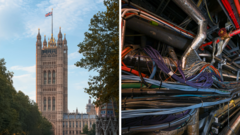
More asbestos has been identified in Parliament, prompting MPs to push for a major renovation of the historic building housing UK democracy, according to the BBC. The number of asbestos items, including insulation, roofing, floor tiles, and ropes, in the Palace of Westminster and the wider parliamentary estate has risen to over 1,650, an increase of 500 since 2021.
The government is now contemplating a vote on refurbishing Parliament, a project that could cost up to £40 billion and span 61 years, following years of indecision and delay. The Commons public accounts committee has warned that every additional year of delay incurs a cost of £420 million to taxpayers.
Asbestos has been deemed one of the primary reasons for the refurbishment due to the health hazards posed by airborne fibres, despite its fire-resistant properties. While most of the asbestos is classified as low risk when concealed, nearly 200 items are considered medium risk and may require remedial works. A UK Parliament spokesperson emphasized the paramount importance of ensuring the safety of those who work and visit the parliamentary estate, including enhanced asbestos monitoring and awareness training, as well as continued asbestos removal efforts.
Kris Gledhill, the son of late Labour MP Alice Mahon who died from mesothelioma, a disease linked to asbestos exposure, stated that asbestos should never be deemed low risk. He stressed the need for a precautionary approach, considering the potential risks from building deterioration, extreme weather events, floods, fire, and disturbances during renovation and maintenance work.
Alice Mahon was acutely aware of asbestos-related risks, having identified workplaces where she might have been exposed, including the Palace of Westminster.
Parliamentary authorities disclosed that achieving an asbestos-free building is practically unattainable, as it would necessitate demolition or significant damage to the building's structure. Dr Hannah Moody, CEO of Mesothelioma UK, supports the introduction of a national asbestos register and the phased removal of asbestos from public buildings, acknowledging that asbestos remains prevalent in many UK public structures and continues to cause serious illnesses and work-related deaths, including mesothelioma.
The Commons Public Accounts Committee published its inquiry findings on Parliament's restoration and renewal (R&R) programme, examining options to revamp the site. Chairman Geoffrey Clifton-Brown emphasized the severe risks if a fire broke out, with 24-hour fire patrols in place. He criticized the political reluctance to address the refurbishment issue after years of delay, describing it as a "grave risk."
The committee believes there is sufficient information for MPs and peers to vote on a course of action before the year's end, with the possibility of a £3 billion initial expenditure and further decisions by 2030. Proposed options include relocating MPs and peers for up to 24 years from 2032, costing up to £15.6 billion, or moving only the House of Lords, at a cost of £39 billion and a duration of 61 years.
However, the committee identified challenges such as an overly complex decision-making process and delays in securing a temporary home for the Lords, primarily at the nearby Queen Elizabeth II conference centre.
Written by urgent.news from BBC News's reporting — not their text. Machine-written — may contain errors; check the original before relying on it.