Midterms: Milliardengrab Midterms: Kann man US-Wahlen kaufen?
Milliarden flossen bei den US-Parlamentswahlen in den Wahlkampf, vor allem von reichen Unterstützern der Republikaner wie Elon Musk. Doch die Wähler ließen sich die Stimmen vielerorts nicht abkaufen.
The midterm elections were a tsunami for the Democratic Party, according to Democratic House minority leader Hakeem Jeffries. The Republican strategy of defending their power in Washington with large donations from billionaires and companies failed in many places. Instead, candidates built their campaigns on small donations, volunteers, and direct mobilization of supporters.
The massive donations to their opponents may even have helped mobilize their own base. The 2026 US election campaign was the most expensive ever, with $12 billion (around €10.7 billion) spent on political advertising, even more than the 2024 presidential election. The top 40 donors contributed around $2.4 billion, 50% more than the 2022 election average.
The Republicans received over three times more money from exclusively party-affiliated big donors than the Democrats. In Texas, Republican Governor Greg Abbott lost his position to Democrat Gina Hinojosa despite spending almost eight times more money on his campaign. Hinojosa relied more on social media, influencers, and direct mobilization of supporters, largely funded by small donations averaging around $53.
Even with support from wealthy donors, she could not match Abbott's financial advantage. The same played out in the Texas Senate race, where Democrat James Talarico defeated Republican Ken Paxton, backed by a massive network of financial supporters. Musk alone donated $168 million to a Republican campaign fund, most of which went to support Paxton's committee.
Talarico made the influence of super-rich individuals a campaign issue, comparing the fight against billionaires and the political establishment to the biblical story of David vs. Goliath. After his victory, he declared: "This evening we defeated Goliath." The downside of large campaign spending was evident in Michigan, where left-leaning Democrat Abdul El-Sayed initially won the party primary against Congresswoman Haley Stevens.
Stevens received nearly nine times more money in campaign advertising than El-Sayed, including large sums from a pro-Israel lobby organization. El-Sayed turned this into an argument against the political establishment, accusing it of being dependent on rich interest groups. His campaign relied on a movement of thousands of volunteers, reminiscent of the surprise victory of leftist Democrat Zohran Mamdani in the New York City mayoral election in 2025.
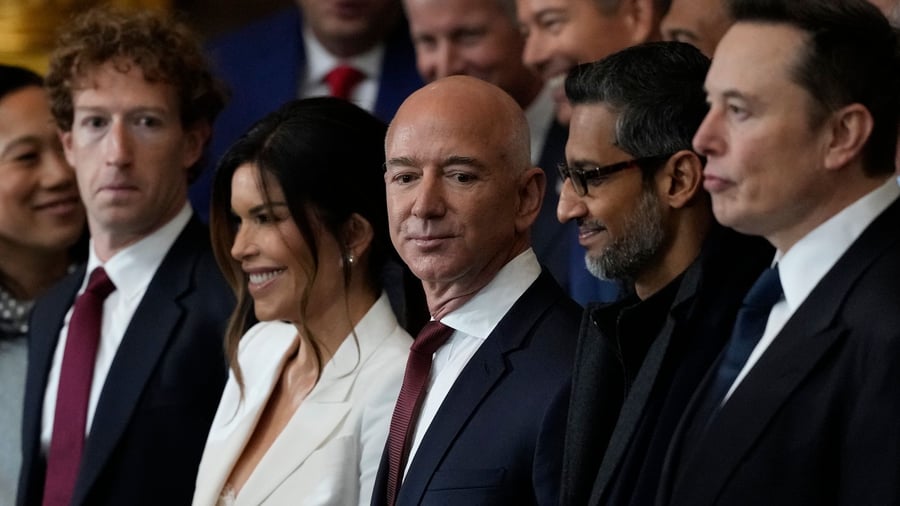
Even Musk's millions were not enough to help the Republicans, as he poured around $446 million of his own wealth into the 2026 election campaign, more than any other known single donor in modern US history. His money went to supporting Republican candidates in Texas, Ohio, and Maine, leading to important losses for the Republicans.
Musk even tried to influence a federal judge's race in Wisconsin in April 2025, spending enormous sums to support a conservative candidate. However, it was not enough, as a mostly left-wing judge won. The impact of tech billionaires and concerns about data centers became increasingly apparent, with many areas protesting the expansion of AI data centers due to rising electricity prices, high water consumption, and environmental pollution.
Written by urgent.news from Handelsblatt's reporting — not their text. Machine-written — may contain errors; check the original before relying on it.