Microplastics may be changing the colour of the Pacific Ocean
Satellites show that the ocean around a gyre of plastic detritus in the Pacific is brightening and changing colour, with the most likely explanation being microplastics suspended in the water column
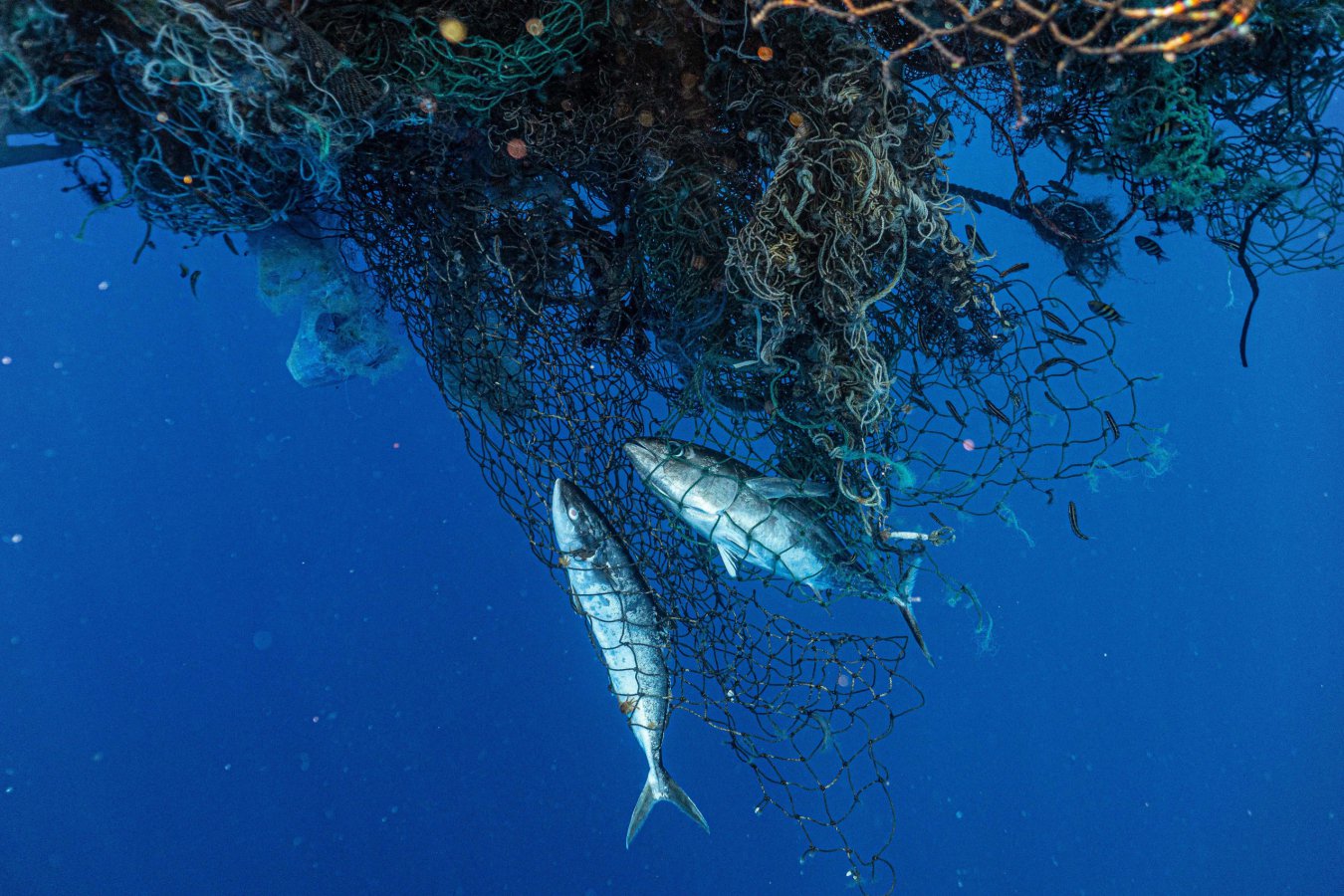
The Great Pacific Garbage Patch, a massive collection of plastic debris mid-ocean between Hawaii and California, may be altering the colour of the Pacific Ocean, according to recent research. Scientists from the University of Bergen, Norway, analysed three satellite datasets gathered between 2002 and 2022 and discovered that certain areas of the patch experienced a roughly 10% increase in blue light and a 2 to 4% boost in green light over the two-decade period.
The blue-green combination creates a cyan hue. While other factors, such as changes in microalgae and other natural elements, can influence ocean colour, the researchers concluded that microplastics were the most likely cause of the observed brightening. Microplastics scatter light strongly, unlike most natural contributors to ocean colour, which absorb a significant amount of light.
Consequently, as microplastic quantities increase, the ocean's colour brightens, particularly at blue-green wavelengths. The study's authors suggest that this finding may provide a potential satellite signature of microplastic accumulation, although they do not definitively prove that satellites have directly detected the microplastics themselves.
Written by urgent.news from New Scientist's reporting — not their text. Machine-written — may contain errors; check the original before relying on it.
This story
This is one outlet's version. Read the fullest account.
- The Great Pacific Garbage Patch is changing the color of the ocean scientificamerican.com
- 'Pacific ocean like a person burning with fever': Scientists warn of stronger typhoons timesofindia.indiatimes.com