Lead Poisoning: Over Half of Children Tested in Ghana had Elevated Blood Lead Levels
By Melissa Sackey Lead exposure in children can cause lasting and in some cases, irreversible damage to their health and development, raising concerns over findings that more than half of children tested in a Ghanaian study had elevated blood lead levels. The concern was highlighted on GTV’s Wash Hour programme, hosted by Doreen Ampofo, during […]
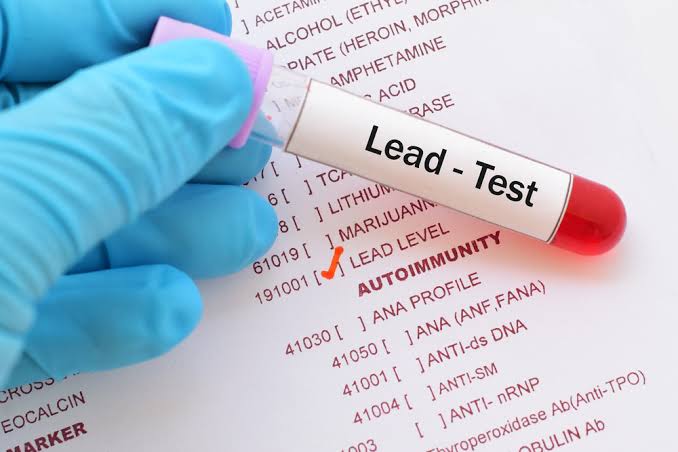
Lead poisoning poses serious health risks to children, with a recent Ghanaian study revealing that more than half of the children tested had elevated blood lead levels. Hosted on GTV’s Wash Hour programme, the discussion on lead poisoning and its implications for public health shed light on the alarming findings. The "Protecting Every Child’s Potential" study, conducted by the Ghana Health Service, Pure Earth, and UNICEF between November 2022 and January 2023, analyzed blood lead levels in children across the Greater Accra, Ashanti, and Northern Regions.
Mr. George Bruno Akanlu, Country Director of Pure Earth, emphasized that industrial activities, particularly in southern Ghana, were a significant source of lead exposure. Communities like Ashaiman, Afienya, and Kpong reported high rates of elevated blood lead levels in children. Lead can enter households through contaminated dust and soil from industrial activities, lead-containing paints, household products, cosmetics, and other materials.
In the Northern Region, traditional cosmetics, including eyeliners, were identified as contributing factors to lead exposure. Blood lead concentrations of 20 and 30 micrograms per decilitre were particularly alarming, with no established safe level of lead exposure. Pure Earth is collaborating with the Ghana Standards Authority to phase out locally made aluminium cooking pots, known as "dadesen," as part of efforts to reduce lead exposure.
Dr. Carl Stephen Osei, Programme Manager for the Occupational and Environmental Health Programme at the Ghana Health Service, highlighted that lead poisoning cannot be detected through touch or smell, making blood testing crucial for identifying exposure. The discussions emphasized the importance of public education, effective regulation of lead-containing products, and stronger preventive measures to protect children from exposure, especially in industrial communities and households with contaminated materials.
Written by urgent.news from GBC Ghana's reporting — not their text. Machine-written — may contain errors; check the original before relying on it.