Johor pushes data centres to use treated water from polluted rivers
JOHOR BARU: Johor is pushing data centre investors to treat polluted river water for their operations to reduce reliance on treated water meant for domestic consumption.
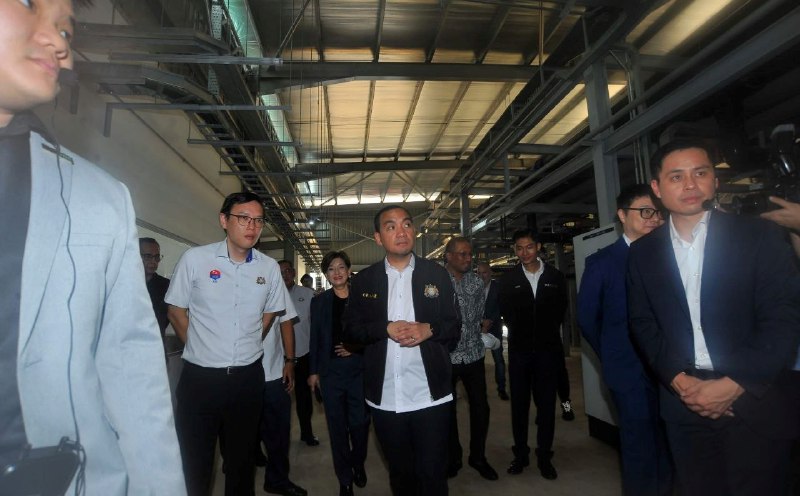
Johor is encouraging data centre companies to use treated water from polluted rivers to lessen their dependence on water designated for domestic use, according to Johor's Menteri Besar Datuk Onn Hafiz Ghazi. The initiative was illustrated by DayOne, a Singapore-based digital infrastructure firm, which operates a water treatment facility at Kempas Tech Park utilizing water sourced from Sungai Tebrau. DayOne utilizes a maximum of 10 million litres per day (mld) from the river, which has a flow rate of approximately 80 mld.
Ghazi expressed satisfaction with DayOne's progress in employing polluted water for their data centre, adding that any leftover water from the facility could undergo additional treatment to create treated water suitable for public consumption. He announced that a technical meeting involving Permodalan Darul Ta'zim, Ranhill SAJ, and other relevant agencies would be convened to explore how surplus treated water could be allocated to the public.
Ghazi emphasized the importance of leveraging existing technology to bolster Johor's water supply capacity as the state undergoes rapid economic growth. He refuted claims that data centre investments had yielded limited economic advantages and job opportunities for locals, stating that DayOne had created 650 high-value jobs, with 432 positions filled by Johoreans. The state has also established a technical committee to protect local interests when data centre investors seek to establish operations in Johor.
Ghazi highlighted that these investments bring not only capital but also quality employment, support local businesses, and significantly contribute to the state's long-term development. DayOne has also pledged RM3 million annually for talent development programs in the state.
Written by urgent.news from New Straits Times's reporting — not their text. Machine-written — may contain errors; check the original before relying on it.