Iran sees opening after Trump midterms setback but warns of wider conflict
Iran has seized on US President Donald Trump's midterm elections setback as evidence that his war policy is backfiring, portraying the Republican party's losses as a public rejection of the conflict. But Iran's celebration comes with a stark warning: any renewed US military action could ignite a wider regional war , threatening assets beyond the Strait of Hormuz. Parliament Speaker Mohammad…
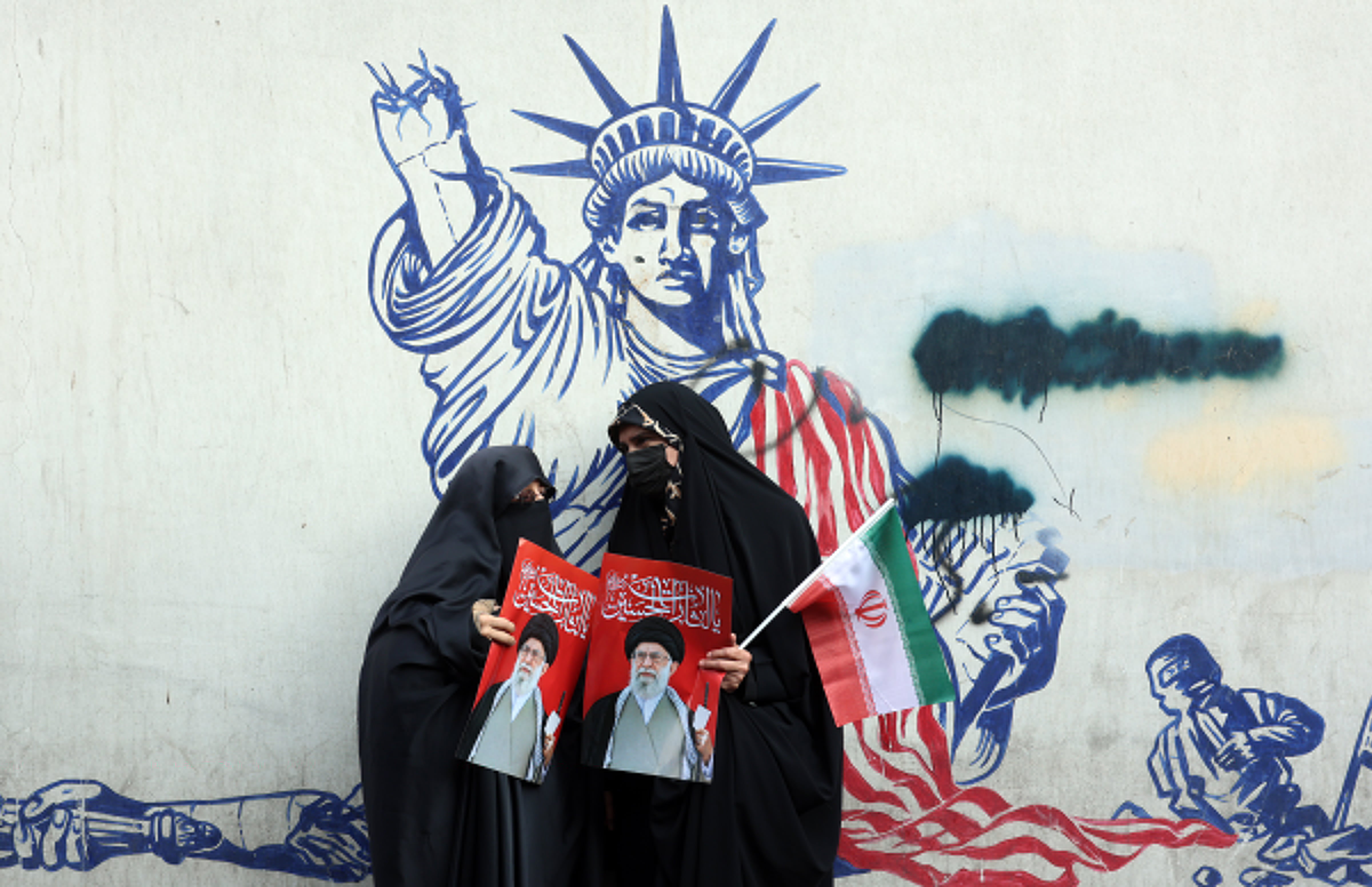
Since Donald Trump's Republican Party suffered a setback in the US midterm elections, Iran has viewed it as a sign that his war policy is failing and that the public is rejecting conflict. However, Iran's celebration is tempered by a warning that any further US military action could lead to a wider regional war, putting assets beyond the Strait of Hormuz at risk.
Iran's Parliament Speaker Mohammad Bagher Ghalibaf stated that Americans had spoken against war, and Iran endorses this message. Supreme National Security Council chief Mohsen Rezaei declared it a "strategic defeat" for Trump and a political defeat in Washington. Tehran Mayor Alireza Zakani warned that those seeking to overthrow Iran's political system were on the path to downfall.
Hardliner Ebrahim Azizi even declared Trump the "most failed president in US history". State media echoed this sentiment, with conservative Jam-e Jam declaring it "The twilight of Trumpism" and mainstream Hamshahri running an image of Trump blindfolded, titled "Iran's shadow over US elections". The term "lame duck", describing a president whose influence is waning, has entered Iranian political vocabulary.
Trump's loss of both chambers of Congress has raised speculation about his presidency phase, though he retains significant executive and military powers. Iran's Supreme Leader Mojtaba Khamenei dismissed hopes of any change in the hegemonic system through partisan shifts. However, Iran's rhetoric of victory has been matched with explicit warnings of escalation.
Brig Gen Esmail Qaani, commander of the Islamic Revolutionary Guard Corps' Quds Force, warned that the US military should be aware that the entire resistance is now a unified front, and a renewed conflict could result in a war in Hormuz and the liberation of Bab Al Mandeb strait. With Iran already imposing a naval blockade and restrictions on Iranian oil exports, further attacks by Yemen's Houthi rebels could further threaten regional shipping and energy exports.
Iran's IRGC claimed that two oil tankers and a tugboat caught fire in the Strait of Hormuz overnight, and seized two US drones after taking control electronically. These claims have not been independently verified. Iran's IRGC stated that it is preparing for further attacks rather than assuming the US election will lead to a diplomatic breakthrough.
Analysts worry that Tehran might miscalculate the consequences of Trump's political defeat. Ali Vaez, an Iran analyst at the International Crisis Group, cautioned that a politically weakened Trump might seek redemption on the battlefield, potentially dragging the confrontation out and avoiding a face-saving way out.
Written by urgent.news from The National Business's reporting — not their text. Machine-written — may contain errors; check the original before relying on it.