iPhone Duo brings multitasking to iPhone, but only just
The iPhone Duo inner display brings multitasking to iPhone, but it stops just short of really turning Apple's first foldable into a multitasking monster. Here's how it works, and what the limitations are. iPhone Duo can run to apps side by side For years now, some of us have used iPhones as portable workstations thanks to big displays and super-fast chips. But the iPhone Duo takes things to a…
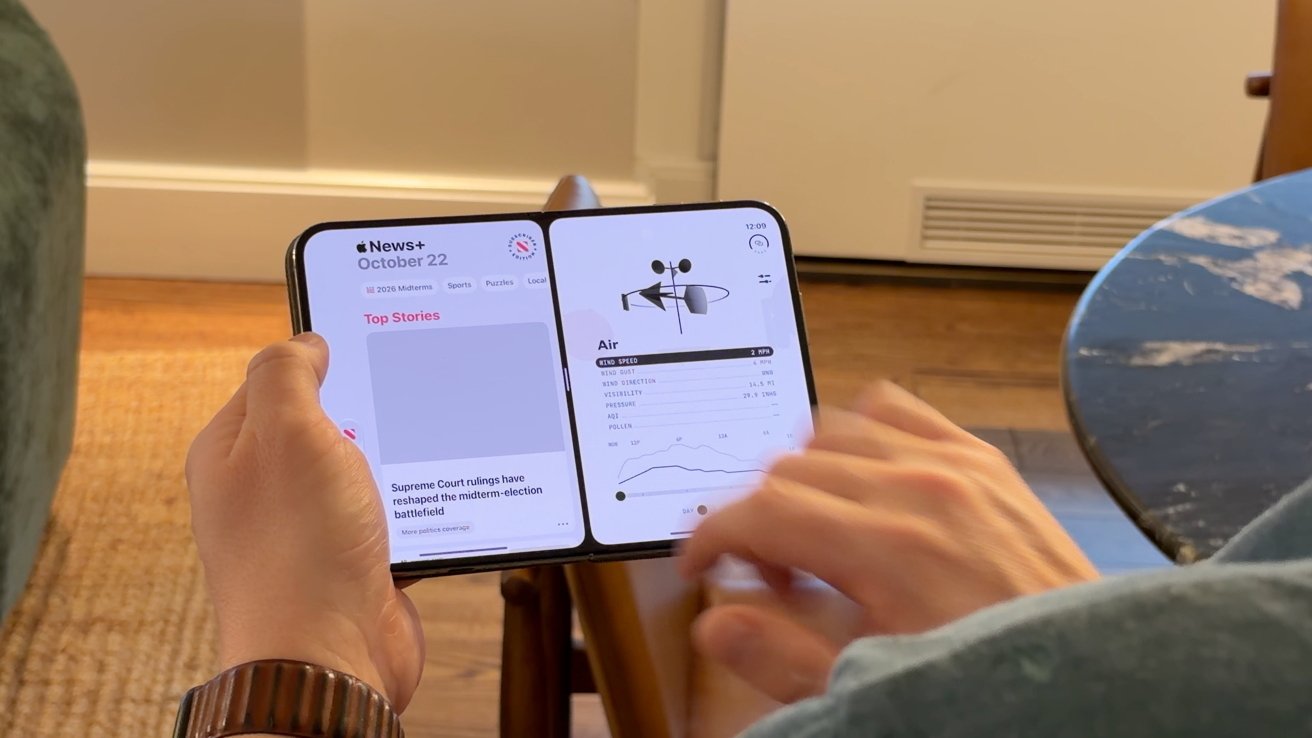
Apple's latest innovation, the iPhone Duo, brings multitasking capabilities to its flagship smartphone, but falls short of fully transforming it into a true multitasking powerhouse. This new feature allows users to work with two apps simultaneously on the iPhone Duo's expansive inner display, paving the way for enhanced productivity and entertainment experiences. However, the implementation of this multitasking mode has its limitations, particularly when compared to other foldable smartphones on the market.
For years, iPhone users have relied on their devices as portable workstations, leveraging their large displays and powerful chips to multitask effectively. The iPhone Duo elevates this experience by enabling users to run two apps side-by-side, dubbed Split View. While this feature significantly improves upon the traditional iPhone experience, it still lags behind other foldable devices in terms of flexibility and functionality.
One major limitation of the iPhone Duo's multitasking mode is the absence of windowing support, a feature that enables the simultaneous use of multiple windows of the same app. This restriction, coupled with the lack of true multi-window support that some competing foldables offer, means that users cannot take full advantage of the iPhone Duo's capabilities. Despite this, the iPhone Duo's large display ensures that the two apps running in Split View remain highly usable, even if they occupy only one half of the screen.
To enable Split View, users can open two apps by repeating the process twice, or by tapping and holding on an app icon on the home screen to reveal the "Open in Split View" option. Once in Split View, users can easily swap apps by dragging one side of the display to the other. Additionally, Apple introduces a feature called picture-in-picture, which provides a more comfortable multitasking experience when watching videos via supported apps.
This feature splits the display into two sections, allowing users to watch a video on the top third while using another app in the bottom two-thirds. However, this feature is limited to portrait orientation and cannot be used to watch two videos simultaneously.
Despite the iPhone Duo's impressive display and powerful A20 Pro chip, Apple has opted to limit its multitasking capabilities to just two apps side-by-side. This cautious approach is likely driven by the smaller display size and the perception of the iPhone Duo as a premium tablet-like device rather than a full-fledged multitasking powerhouse.
Nonetheless, Apple's decision may change with future iOS updates, as annual software updates often introduce new features and enhancements. Until Apple expands the iPhone Duo's multitasking capabilities, it will continue to lag behind other foldable smartphones that offer more flexible and powerful multitasking experiences.
Written by urgent.news from AppleInsider's reporting — not their text. Machine-written — may contain errors; check the original before relying on it.