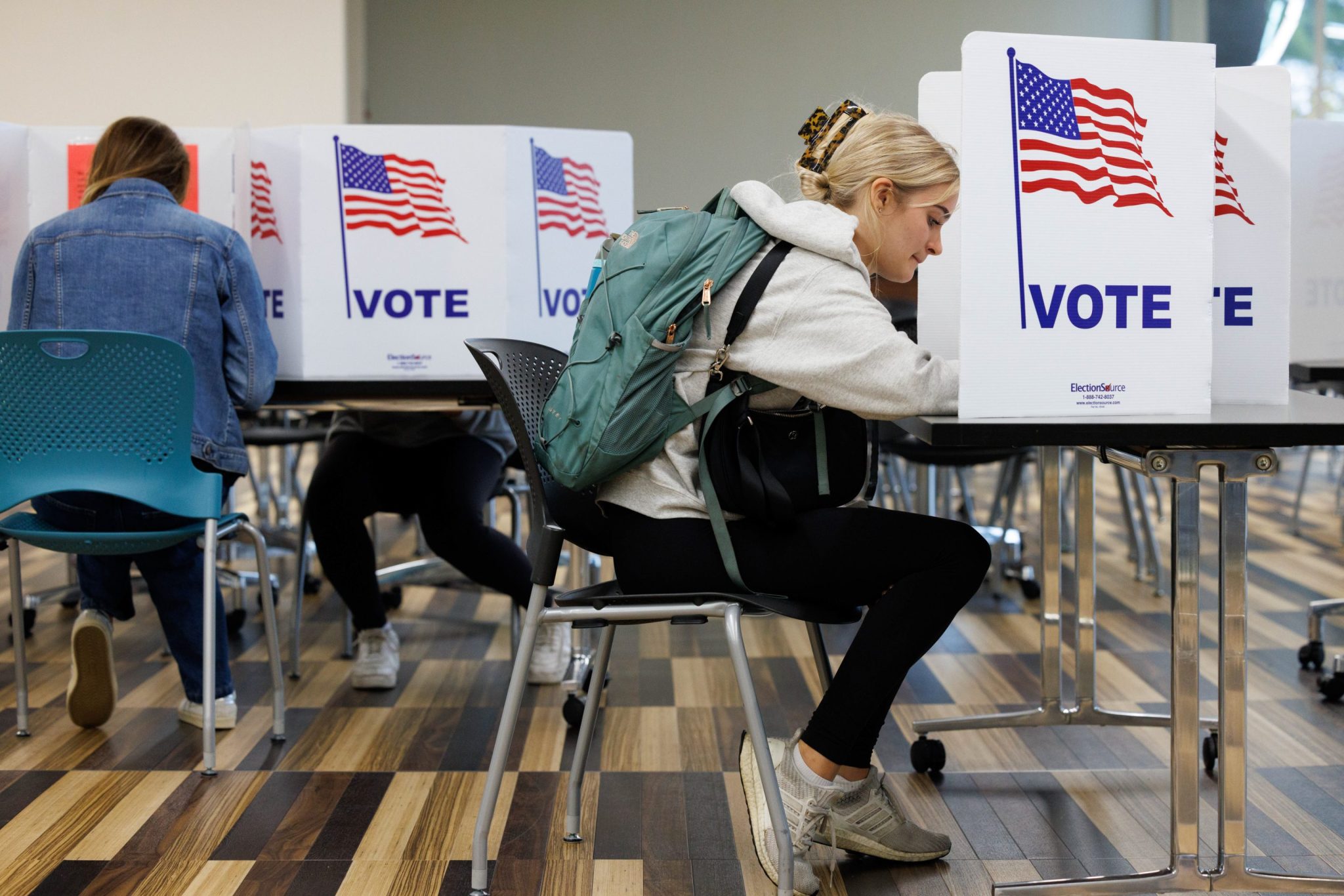
Investors eye risk of debt-ceiling standoff after Democratic sweep

Following Tuesday's midterm elections, investors are closely monitoring the potential risks associated with a government debt-ceiling standoff, as Democrats now control both the Senate and House of Representatives. This shift in political power has raised concerns about the impact on the nation's finances and the upcoming negotiations over the government's debt limit.
Previous debt ceiling fights have often led to last-minute showdowns, with lawmakers using the borrowing cap as leverage over fiscal policy. The national debt has surpassed $40 trillion, causing fiscal worries to loom over markets this year.
Analysts have suggested various scenarios that could either worsen or mitigate deficits, depending on the actions taken by Democrats and Republicans. While the government is unlikely to reach the debt ceiling until late next year, Democrats may have leverage in budget negotiations with Republicans through the so-called X-date. Failure to raise the debt ceiling would pose a risk to the Treasury's ability to pay the government's debts, according to Michael Reynolds, vice president of investment strategy at Glenmede.
The near-term focus for analysts is on December 11, the date by which Congress must reach an agreement to fund the federal government. Republicans might attempt to use this deadline to raise the debt ceiling before the Democratic-controlled Congress assumes office in early January, but this outcome is uncertain given the scale of the Democrat victory.
The administration would likely prefer to raise the debt ceiling in a lame-duck session, but this seems unlikely due to the Democrats' strong showing in the midterm elections.
Should Congress fail to address the debt ceiling issue before the end of the year, financial markets could face a protracted standoff, potentially leading to sovereign debt downgrades, price distortions around the X-date, and increased volatility in cash and repo markets as the Treasury draws down its General Account to deploy extraordinary measures.
Some experts have suggested that Democrats could seek changes to Medicaid, housing incentives, and other domestic priorities in exchange for their votes during debt-ceiling negotiations. These deals might be stimulative but could result in broader deficits than the nonpartisan Congressional Budget Office's baseline estimates.
Written by urgent.news from Investing.com's reporting — not their text. Machine-written — may contain errors; check the original before relying on it.