I learned Godot by letting LLMs guide me, not code for me
Vibe coding is faster, but where's the fun in that?
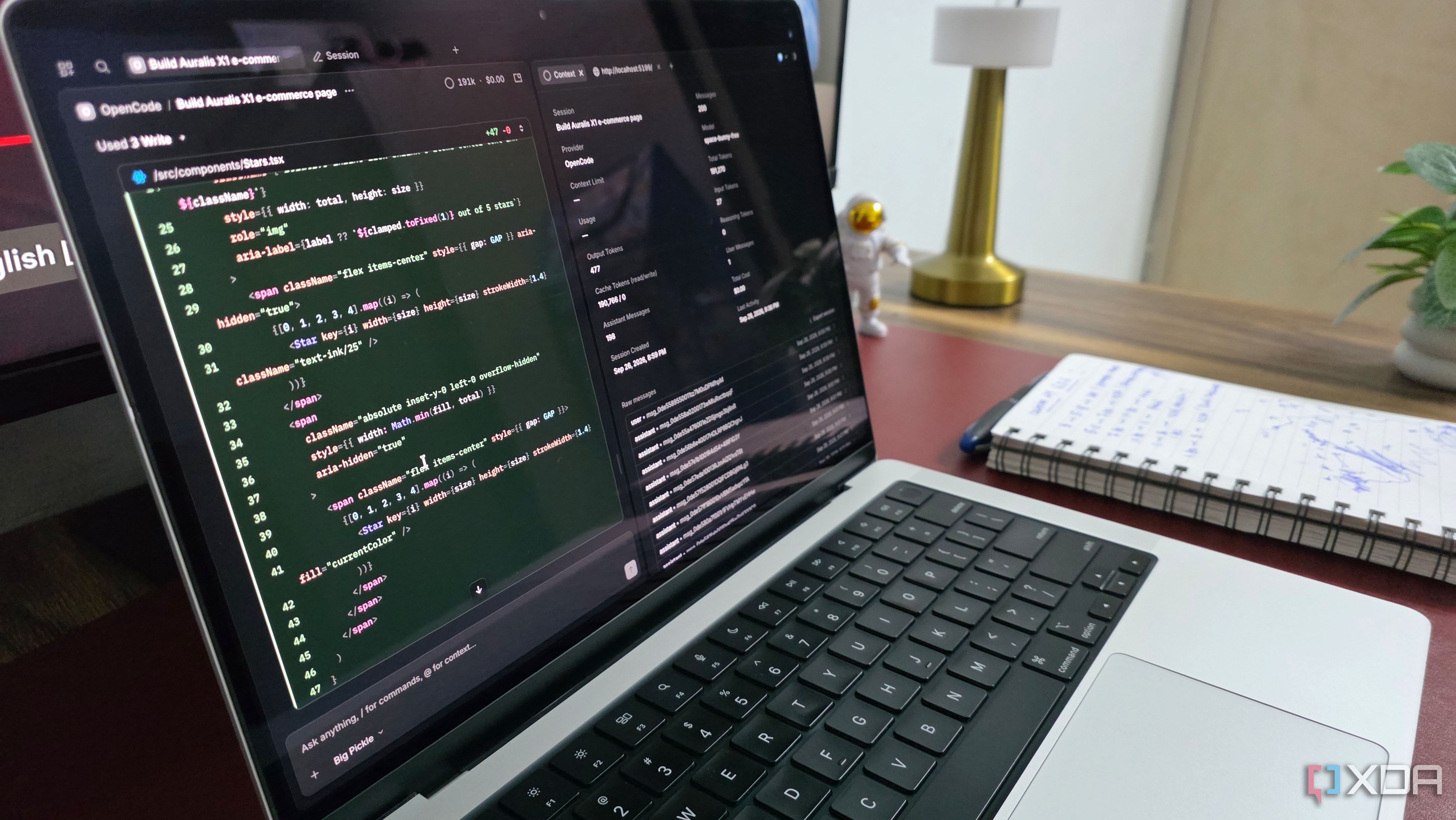
The author sought to learn game development in Godot but did not want to solely rely on reading documentation or watching videos. As they lacked local resources to help them, they turned to language models (LLMs) such as Google Gemini and Claude for guidance. However, they did not want these AI assistants to write their code for them, as they valued the learning process of discovering mistakes and understanding the underlying concepts.
The author decided to use Gemini as a teacher-like assistant to guide them through the process of game development in Godot. They provided Gemini with a brief stating their goals and learning expectations. Gemini then taught them how to set up variables, where to place them, and how to access them later in the code, without providing complete code snippets for the author to copy-paste. This allowed the author to piece together the game engine themselves, gaining practical experience in the process.
Whenever the author encountered errors or issues, they could turn to Gemini for explanations and solutions. This hands-on approach helped the author learn about Godot coding and develop a solid foundation in the language by running into problems and asking for guidance on how to fix them. After making significant progress, the author then explained their program's functionality to Gemini, allowing the AI to review and provide feedback on the code's accuracy.
Feeling confident in their understanding of Godot, the author turned to Claude, a different LLM, for a second opinion. They provided Claude with a brief summary of their game development progress, asking for the top three most critical issues they needed to fix. Claude identified three key problems in the author's code: combat code cleanup, code repetition in spell functionality, and the use of magic strings for battle states that could be replaced with enums.
The author then worked through these issues with Claude's assistance, questioning the changes made to ensure a better understanding of the code.
Once these issues were addressed, the author continued using Claude to identify further improvements. They asked for the next three most critical issues, and they continued this iterative process until they were satisfied with their game's core functionality. Throughout the process, the author appreciated the hybrid approach that allowed them to learn how Godot works, develop a working game, and understand its internal mechanisms.
The AI assistants provided guidance and feedback, but the author was responsible for implementing the solutions, resulting in a unique blend of human learning and AI assistance.
Written by urgent.news from XDA Developers's reporting — not their text. Machine-written — may contain errors; check the original before relying on it.