Human Hair in a 2,800-Year-Old Tomb Points to What May Be the Earliest Known Cannabis High
Learn more about how cannabis seeds and human hair from a Scythian tomb led researchers to identify the oldest use of cannabis for intoxicating purposes.
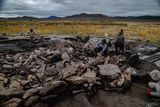
In a princely tomb located in southern Siberia, researchers discovered approximately 1,000 cannabis seeds, which puzzled scientists regarding the plant's purpose in the ancient burial. To gain further insight, they turned to preserved human hair found within the tomb's central burial chamber. By employing advanced molecular analysis techniques, the team identified several compounds consistent with cannabinol (CBN), a byproduct of THC (tetrahydrocannabinol) oxidation, which is known for its intoxicating effects.
Additionally, weaker signals indicative of THC were also detected. These findings suggest that cannabis was indeed being used for its psychoactive properties around 2,800 years ago, marking the oldest direct archaeological evidence of such use. The discovery provides valuable context to the elaborate burial setting, where cannabis was likely associated with rituals involving sacrifices of horses and possibly humans.
However, the precise role of cannabis in these funerary practices remains unclear, leaving room for further investigation through genetic sequencing of the plant samples.
Written by urgent.news from Discover Magazine's reporting — not their text. Machine-written — may contain errors; check the original before relying on it.